Content marketing

Ad optimization, Ad Security, AI Tools, AI Trends, Analytics, B2B marketing, B2B Sales, Data Insights, Data Privacy, data protection, Video Funnel, Youtube ads, Youtube ROI, Youtube shorts

How Do You Build a High-Converting Video Funnel? Ultimate Guide

Video Marketing Funnel for 2025 Introduction Video has become the fastest way to earn attention online. Text and images still matter, but video builds trust faster than almost any other format. A well-built video marketing funnel guides a stranger from first view to loyal customer. This matters more in 2025 than ever before, as platforms reward video content with wider reach. In this guide, we will break down a complete video marketing funnel for 2025. You will learn how to structure content for each stage, from first impression to repeat purchase. Along the way, we will focus on practical steps for video lead generation, so your funnel produces real, measurable results instead of just views. By the end, you will have a clear framework you can apply immediately, regardless of your industry or budget size. Awareness Stage Video The awareness stage introduces your brand to people who have never heard of you. At this point, viewers are not ready to buy. They are simply discovering that your business exists. Videos here should educate or entertain, without pushing a hard sales message. Short-form video works especially well at this stage. Platforms favor quick, engaging clips that answer a common question or solve a small problem. For example, a skincare brand might post a fifteen-second video explaining one surprising ingredient benefit. This type of content spreads easily because it feels helpful rather than promotional. Storytelling also plays a major role in awareness videos. People remember stories longer than they remember facts. A brief video showing how your product started, or a relatable customer struggle, creates an emotional connection early in the relationship. This connection makes viewers more receptive to future messages from your brand. Consistency matters just as much as creativity. Posting occasionally will not build lasting awareness. Instead, aim for a regular publishing schedule across platforms where your audience spends time. Over weeks and months, this consistent presence builds familiarity, and familiarity naturally leads to trust. It also helps to repurpose one core idea across multiple formats. A single interview or demonstration can become a short clip, a slightly longer highlight reel, and a full-length video. This approach saves production time while still reaching viewers who prefer different content lengths across different platforms. Consideration Stage Content and it’s Video Once viewers know your brand, the consideration stage helps them evaluate whether your product fits their needs. Here, video content should go deeper than awareness content. Viewers are actively comparing options, so your videos need to answer specific questions. Product demonstration videos perform well during this stage. Showing your product in real use, rather than describing it, helps viewers picture themselves using it. Additionally, comparison videos that honestly address alternatives build credibility. Customers appreciate transparency, and a fair comparison often builds more trust than an overly promotional pitch. Customer testimonial videos are particularly powerful for video lead generation. Hearing a real person describe their experience feels more credible than branded messaging alone. Keep these testimonials specific. A testimonial mentioning an exact result, such as time saved or a measurable improvement, works better than a vague, generic compliment. Educational webinars and longer explainer videos also fit naturally here. Viewers at this stage are willing to spend more time if the content directly addresses their concerns. Therefore, do not shy away from slightly longer formats, as long as every minute adds real value. Finally, consider gating some consideration-stage content behind a simple form. This is where video lead generation becomes measurable. A viewer willing to share their email for deeper content demonstrates genuine interest, giving your sales team a clear signal to follow up. Keep the form itself short. Asking for too much information at this stage can discourage viewers who were otherwise ready to engage. A name and email address is usually enough to start a meaningful follow-up conversation without creating unnecessary friction. Conversion Video Conversion videos exist to move a warm lead toward an actual purchase decision. At this stage, viewers already understand your product. They need a final push of confidence to act. Clear calls to action are essential in conversion videos. Every video should tell viewers exactly what to do next, whether that means starting a free trial, booking a call, or completing a purchase. Ambiguous endings waste the momentum built throughout the funnel. Urgency and social proof both strengthen conversion videos. A limited-time offer, shown briefly and honestly, can encourage faster decisions. Similarly, displaying real numbers, such as customer counts or satisfaction ratings, reassures hesitant buyers that others have made the same choice successfully. Personalized video also performs remarkably well at this stage. A short, direct video addressing a specific lead’s situation, even using their name or company, can significantly increase conversion rates compared to generic content. This approach works particularly well for higher-value products where personal attention influences the final decision. Keep conversion videos short and focused. Unlike awareness content, this is not the place for lengthy storytelling. Viewers already care about your product. Your job now is simply to remove remaining doubt and make the next step obvious. Testing different endings can reveal surprising results. Some audiences respond better to a direct, confident call to action, while others prefer a softer invitation. Running small experiments across your conversion videos helps you identify which approach consistently drives more completed purchases for your specific audience. Retargeting with Video Ads Not every viewer converts on their first visit. Retargeting with video ads recaptures attention from people who showed interest but did not complete a purchase. This stage often delivers the highest return on ad spend within the entire video marketing funnel. Effective retargeting videos should reference the viewer’s previous action indirectly. For example, someone who viewed a specific product page might see a retargeting ad highlighting that exact product’s key benefit. This relevance significantly increases click-through rates compared to generic retargeting ads. Frequency matters here as well. Showing the same retargeting video too often creates fatigue and can damage brand perception. Rotate several video variations, and set reasonable frequency […]

B2B marketing, Community marketing, Quora marketing, Reddit Marketing, social media engagement, social media marketing

How to Win With Quora Marketing in 2026

Most marketers chase the same channels. They run ads on Google. They post on Instagram and LinkedIn. Meanwhile, Reddit and Quora sit quietly, driving massive amounts of high-intent traffic. These platforms are underrated, underused, and incredibly powerful when used correctly. Reddit boasts over 500 million monthly active users. Quora reaches over 400 million. Both platforms attract users who are actively searching for answers, recommendations, and solutions. Therefore, a strong Reddit marketing strategy and smart Quora marketing approach can unlock serious growth. Community-First Strategy Reddit and Quora are communities first. Marketing comes second. Brands that ignore this rule get banned, downvoted, and ignored. Those that embrace it build loyal audiences and consistent traffic. Understanding Reddit Communities (Subreddits) Reddit is made up of thousands of subreddits. Each subreddit is a niche community with its own rules. r/entrepreneur has startup founders. r/personalfinance has money-conscious users. r/SaaS has software decision-makers. These are highly targeted audiences. A strong Reddit marketing strategy starts with lurking. Spend time reading posts and comments. Understand what the community values. Learn the tone, vocabulary, and common questions. Additionally, read the subreddit rules before posting anything. Providing Value Before Promoting Reddit users hate being sold to. However, they love genuine advice and real insights. Start by answering questions in your area of expertise. Share knowledge without any links or pitches. Build credibility through consistent, helpful contributions. Furthermore, share original research, data, or case studies. These perform exceptionally well on Reddit. A post titled ‘We tested 10 cold email subject lines — here are the results’ will attract genuine interest. Consequently, your profile and brand gain visibility without any direct selling. Quora’s Community Dynamics Quora works differently from Reddit. It is a Q&A; platform where users ask specific questions. Answers with the most upvotes appear at the top. They also rank in Google search results. Therefore, a well-written Quora answer can drive traffic for months or even years. The Quora marketing opportunity lies in finding questions your target audience asks. Use Quora’s search to find questions related to your niche. Sort by followers and weekly views. Prioritize questions with high traffic but limited quality answers. Authority Positioning Authority is the currency of Reddit and Quora marketing. Users trust people who consistently demonstrate expertise. Building authority takes time. However, the returns are compounding and long-lasting. Building Your Reddit Profile Your Reddit profile is your credibility signal. Fill out your bio with clear information about your expertise. Use a real photo or professional avatar. Link to your website if the subreddit allows it. Moreover, your post and comment history shows who you are — so keep it clean and consistent. Karma matters on Reddit. Higher karma means more trust and posting privileges. Build karma by posting useful content in popular subreddits. Additionally, engage in discussions actively by commenting thoughtfully on others’ posts. Dominating Quora With Expert Answers Quora rewards depth and specificity. Short answers rarely perform well. Write answers with at least 300 to 500 words. Use headers, bullet points, and real examples. Additionally, include a personal story or data point to make the answer more credible. Structure every Quora answer in three parts. Start with a direct answer to the question. Then expand with context, examples, and data. Finally, close with a clear recommendation or insight. Furthermore, add a subtle soft mention of your product or service where it is genuinely relevant. Consistency Beats Volume Posting ten mediocre answers is worse than posting one great one. Focus on quality over quantity on both platforms. Set a realistic target — perhaps three strong Reddit comments and two Quora answers per week. Moreover, track which posts gain traction and double down on those topics. Paid Ads on Forums Organic growth on Reddit and Quora is powerful. However, paid advertising amplifies that impact significantly. Both platforms offer advertising products designed for targeted reach. Reddit Ads: Community Targeting Reddit Ads allow advertisers to target specific subreddits. This is extremely powerful. You can place ads directly in front of communities relevant to your product. For example, a B2B SaaS company can target r/entrepreneur, r/startups, and r/productivity simultaneously. Reddit ads appear as promoted posts in users’ feeds. They blend naturally with organic content. The best performing Reddit ads look and feel like regular posts. Therefore, write ad copy that matches the community’s tone and language. Avoid corporate jargon. Additionally, Reddit offers interest-based and keyword targeting. You can target users based on topics they engage with. Retargeting is also available — showing ads to users who visited your website. Consequently, your Reddit marketing strategy can cover both brand awareness and conversion goals. Quora Ads: Intent-Based Targeting Quora Ads target users based on the questions they view. This is intent-based advertising at its best. If someone reads a question about the best CRM software, they are likely evaluating options. Showing them your CRM ad at that moment is incredibly effective. Quora offers several ad formats. Promoted answers look like regular answers with a small label. They appear at the top of question pages. Text and image ads also appear in question feeds. Furthermore, Quora’s audience insights tool helps identify which question categories drive the best results. Avoiding Spam Mistakes Spam is the fastest way to destroy your reputation on Reddit and Quora. Both platforms have sophisticated moderation. Users are equally vigilant. One wrong move can result in a permanent ban and public backlash. Reddit Red Flags to Avoid i. Posting links in your first few comments — this screams spam. ii. Using the same promotional language in multiple subreddits — moderators notice. iii. Ignoring subreddit rules — each community has specific posting requirements. iv. Creating multiple accounts to upvote your own posts — Reddit detects this. v. Responding to criticism defensively — engage openly and professionally. Quora Mistakes That Kill Your Credibility i. Answering questions outside your expertise just to get links — users see through it. ii. Repeating the same answer across multiple questions — Quora may collapse your answers. iii. Adding links in every single answer — it […]

AI Marketing, AI Support, AI Tools, AI Trends, Automation Tools, Brand Markeing, Content Marketing, Digital Advertising, Digital Marketing, Marketing, Marketing Strategy, Marketing Tech

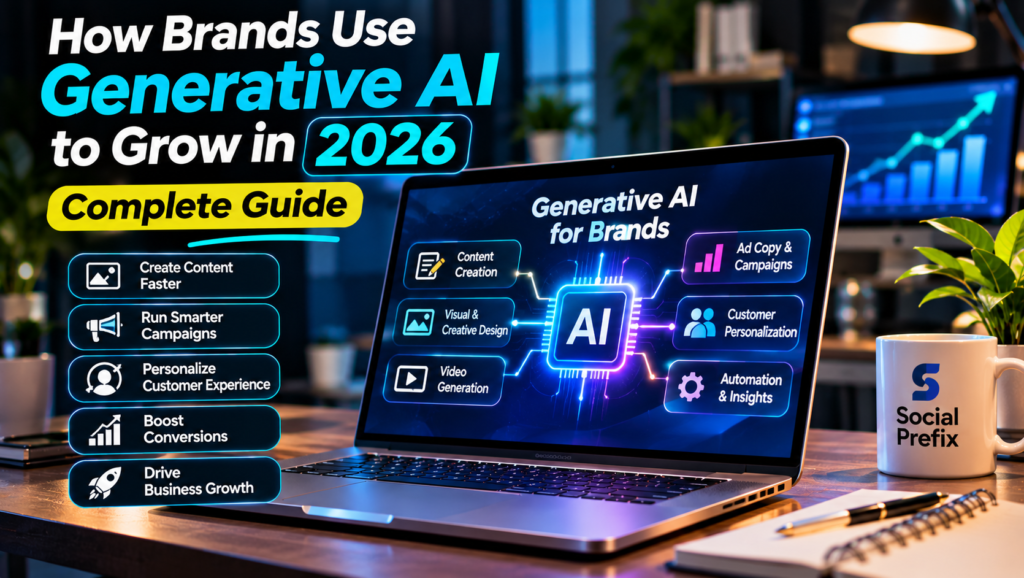
How Brands use Generative AI to Grow in 2026: Complete Guide

The digital marketing world in 2026 is shifting fast. It is no longer just about new tools. Instead, it is a big change in how brands talk to people. Generative AI is now the main engine for all marketing tasks. Because of this, companies can offer experiences that were once impossible. Marketers use generative AI to see deep patterns in how we act. Consequently, they can create content that fits every need right away. This year is also the start of smart systems. These systems do not just follow rules. They work hard to meet specific goals for growth. What Generative AI Means for Brands For brands today, generative AI is a bridge. It connects huge sets of data to real human feelings. Furthermore, it allows for deep personal touches at a very large scale. Manual teams simply cannot keep up with this speed. As a result, every chat with a brand feels special. This is because generative AI can change web pages and emails in real time. Brands also use these tools to guess what a user wants next. Therefore, marketing is no longer just a loud shout to a crowd. It is now a set of quiet, helpful talks. Companies that use generative AI well see much more love from their fans. AI + Human Collaboration Model The best marketing teams in 2026 use a shared model. In this setup, AI and humans work as a single team. First, generative AI does the heavy work. It looks at data and writes the first drafts. It also tests many versions of an ad at once. Meanwhile, human marketers focus on the big plan. They also bring the heart and the brand voice to the work. Although AI can make a thousand ads in a blink, it still needs a human touch. Humans set the rules to keep things fair and safe. This teamwork makes sure every plan is smart but still feels real. Most work now starts with AI ideas that humans turn into art. Risks of Over-Automation However, there are big risks if you use too much automation. Brands must not forget the human side of the job. If you lean too hard on generative AI, the work can feel flat. People call this “AI slop.” This is content that feels like a robot wrote it. Most fans in 2026 can spot this a mile away. If they do, they might stop trusting the brand. Also, AI tools can learn bad habits from old data. This happens if humans do not watch them closely. There is also a risk of losing your way. This occurs when a computer makes every choice. To stay strong, brands must be open about how they use AI. Building an AI-Enhanced Marketing Engine Building a strong engine today needs a clear map. You must link generative AI into every part of your plan. First, get your own data ready. This gives the AI a good base to learn from. Next, start using smart tools for small tasks. These tools can handle ads, lists, and basic notes. After that, focus on groups of content. These should answer the exact questions people ask. It is also vital to keep a human in the loop. This person checks every AI post for quality. They make sure it fits the brand. Finally, teach your team well. Everyone should know how to talk to and lead these new systems. Frequently Asked Questions 1 How does generative AI help with SEO in 2026? It helps sites show up in AI chat results. It does this by giving clear and short answers. 2 Will generative AI take away all marketing jobs? No, it just changes the work. Marketers now lead smart systems instead of doing dull tasks. 3 What is a big mistake to avoid with AI? The biggest error is letting AI do everything. This makes your brand look just like everyone else. 4 Can generative AI create video ads? Yes, it can make custom videos for each user. It can change the music and the script in a flash. 5 How do I keep my AI blog posts feeling human? Use AI for the main facts and the first draft. Then, add your own stories and feelings to finish it. Read More: How to Master web vitals for Better SEO Easily? Is your digital marketing ready for the post-cookie world? How to use cybersecurity to build ultimate customer trust?

CTA, Customer Engagement, Engagement, Google, Leads Generation, Marketing, Site Traffic, Social Commerce, social media engagement

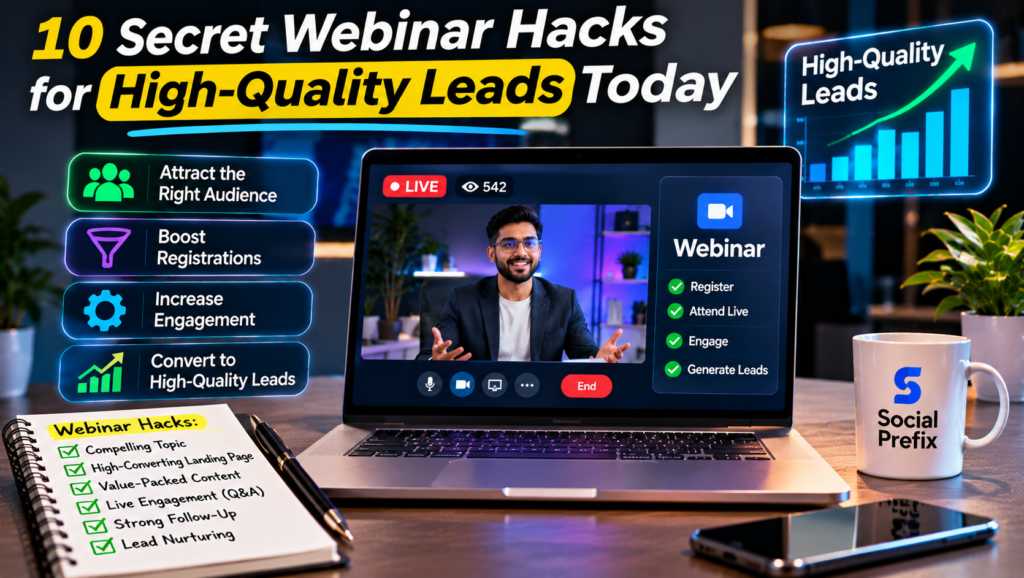
10 Secret Webinar Hacks for High Quality Leads Today

Traditional lead generation often feels very impersonal because it lacks the direct engagement of a real conversation with potential customers. However, once you learn how to leverage webinar, you will see much higher engagement and a significant boost in qualified leads. I have used these exact strategies to help brands slash their advertising costs while seeing a massive boost in conversions. The Problem With Cold Outreach Many businesses still rely on cold emails or generic content that people often ignore. This approach creates a massive disconnect because these methods lack the personal feel of a real interaction. You might feel frustrated when your expensive ad campaigns fail to bring in genuinely interested prospects. Cold outreach is like shouting at a crowd and hoping one person looks your way; it’s inefficient and often ineffective. The solution lies in creating a highly engaging, interactive experience where potential customers willingly invest their time to learn from you. Webinars allow you to demonstrate your expertise, build trust, and address pain points in a live, dynamic setting. Once you apply these personal touchpoints, you will see your sales pipeline fill with genuinely interested prospects. I have seen small B2B companies double their lead quality by simply hosting well-structured webinars. Strategy 1: Define Your Target Audience and Their Pain Points Before anything else, clearly identify who you want to attract and what problems they are trying to solve. A focused webinar topic that directly addresses a specific pain point will attract a more qualified audience. For example, instead of “Digital Marketing Basics,” choose “How B2B SaaS Companies Can Double Leads in Q2.” This precision ensures you’re speaking to the right people. Strategy 2: Create Compelling, Solution-Oriented Content Your webinar content should not just inform but also inspire and provide actionable solutions. Focus on delivering immense value, showcasing your expertise, and subtly positioning your product or service as the ultimate solution. Use case studies, live demos, and interactive polls to keep the audience engaged and illustrate real-world success. Strategy 3: Optimize Your Registration Page for Conversions Your registration page is your first conversion point. It needs to be clear, concise, and persuasive, highlighting the key benefits attendees will gain. Use strong headlines, bullet points, testimonials, and a clear call-to-action (CTA). Only ask for essential information (name, email, company) to minimize friction. Strategy 4: Promote Your Webinar Across Multiple Channels Don’t just rely on one channel. Promote your webinar heavily across email lists, social media (LinkedIn, Twitter, Facebook), your website, and even paid ads if budget allows. Craft different messages for each platform to resonate with that audience’s specific context. Consistent promotion is key to maximizing attendance. Strategy 5: Engage Your Audience with Live Interaction A static presentation won’t generate high-quality leads. Encourage questions, run polls, and use chat features to create a dynamic and interactive experience. Addressing audience questions directly builds trust and allows you to understand their specific needs, which is invaluable for lead qualification. Strategy 6: Implement Strategic Call-to-Actions (CTAs) Your webinar should have clear, well-placed CTAs. This isn’t just about selling; it’s about guiding interested prospects to the next logical step. Offer a free resource, a demo, a consultation, or a special discount for attendees. Make it easy for them to take action right at the point of highest interest. Strategy 7: Utilize Post-Webinar Follow-Up Sequences The real lead generation often happens after the live event. Send a series of automated emails to attendees, those who registered but didn’t attend, and those who downloaded resources. Provide the recording, additional resources, and reiterate your CTA, nurturing them further down the funnel. Strategy 8: Segment Leads Based on Engagement and Behavior Not all leads are created equal. Track who attended, who asked questions, who clicked on CTAs, and who downloaded resources. Use this data to segment your leads into different groups (e.g., highly engaged, moderately engaged) and tailor your follow-up messages accordingly. This allows your sales team to prioritize the hottest prospects. Strategy 9: Repurpose Your Webinar Content Extensively One webinar can generate a wealth of content. Turn the recording into an on-demand resource, extract key clips for social media, transcribe it into blog posts, and create infographics from your data. This multiplies the value of your initial effort and continues to generate leads long after the live event. Strategy 10: Integrate Webinars with Your CRM and Sales Team Ensure seamless integration between your webinar platform and your CRM. Automatically pass lead data, engagement scores, and attendee behavior directly to your sales team. This provides them with crucial context for their outreach and ensures no hot lead falls through the cracks, leading to more efficient sales cycles. Conclusion and Next Steps By implementing these 10 strategies, you can transform your webinars into powerful lead generation machines, delivering high-quality prospects directly to your sales pipeline. Don’t forget to continuously analyze your performance, iterate, and optimize your approach. FAQs 1 What makes a webinar high-quality for lead generation? High-quality webinars offer immense value, solve specific audience problems, and include clear, strategic calls-to-action. 2 How often should I host webinars? The ideal frequency depends on your industry and resources, but consistency (e.g., monthly or quarterly) is often effective. 3 Should I charge for webinars? Generally, for lead generation, free webinars attract a larger audience. Charging is more common for in-depth training or premium content. 4 What’s the most important part of webinar promotion? Targeted promotion across multiple channels with compelling messaging that highlights attendee benefits is crucial. 5 How do I measure webinar success for lead generation? Key metrics include registration-to-attendance rate, engagement during the event, CTA clicks, and the number of qualified leads generated post-webinar. Also Read: Steps to Master WhatsApp Marketing in 30 Days: Ultimate Guide

Blogging, Digital Marketing, Engagement, Instagram, Leads Generation, Search Engines, Youtube shorts

Repurposing Content: How to Get 10x Reach from a Single Blog/Video

Creating high-quality content takes a lot of time. Therefore, publishing a great blog post or a detailed video is a major achievement. However, publishing it once is not enough. Most content creators stop there. Consequently, they miss out on huge opportunities. The secret to massive growth is repurposing content. This strategy helps you get ten times the reach from a single piece. Repurposing content means changing one piece into many different formats. This allows you to meet your audience wherever they spend time. It maximizes your content creation investment. This approach is essential for any modern digital marketing plan. The Strategy: From Core Content to Micro-Pieces (repurposing content) The core of effective repurposing content is starting with one strong, valuable piece. This could be a detailed 2,000-word blog post. Or, it could be a 15-minute educational video. This core piece is your content ‘hub.’ It contains all the key ideas and data. The next step is to break this hub into many smaller, or ‘micro-pieces.’ This process is fast and efficient. For example, take a detailed blog post on “Financial Planning for Startups.” You can easily turn that into several smaller pieces. Each new piece targets a different platform and audience. This systematic approach ensures maximum coverage. Furthermore, it keeps your message consistent across all channels. This strategy saves you the time needed to create new ideas every day. Instead, you are extending the life and reach of your best work. This is the smart way to build a strong content presence. Platform-Specific Transformation Techniques (repurposing content) To successfully implement repurposing content, you must match the new format to the platform. What works on LinkedIn will not work on TikTok. You must tailor the content accordingly. Consequently, by using these specific transformations, you are not just copying. You are making your content native to the platform. This increases the chance of audience engagement. Moreover, it naturally extends your overall content reach. Why Repurposing Content Boosts SEO and Authority (repurposing content) Repurposing content has powerful SEO benefits. Every time you create a new piece of content based on the original, you can link back to that original source. For instance, a quote card on Instagram can link to the full blog post. This network of internal links signals to search engines that the original piece is an important hub of information. This link structure helps to boost the authority of the original content. It improves its search ranking. Furthermore, posting content on multiple platforms increases your brand’s visibility. It catches users who might never have visited your website. When these users see your brand everywhere, it builds trust and authority. This wide reach drives more traffic back to your main website. Ultimately, this approach creates a content ecosystem. Every piece supports every other piece. This consistent presence is the key to scaling your influence far beyond a single publish button. Frequently Asked Questions (FAQs) No. Duplicating content means publishing the exact same text on different web pages, which is bad for SEO. Repurposing content means changing the format (text to video, video to infographic, etc.). The new format is unique to the platform it is on. 2. What is the best type of content to start repurposing? The best content to start with is your evergreen content. These are pieces that remain relevant for a long time, like ‘how-to’ guides or fundamental explanations. Since they stay valuable, the repurposed versions also remain useful for months or years. 3. Will repurposing my content take more time than creating new content? Initially, it takes effort to set up the workflow. However, it is much faster than brainstorming, researching, and writing an entirely new piece. Once the main content is done, the repurposing content process is typically 50-70% quicker. 4. How often should I repurpose a single piece of content? You can repurpose a single piece multiple times over several months or even a year. For example, turn a blog into a podcast one month, three Instagram graphics the next, and a short video after that. The key is to space out the releases. 5. Does repurposing content increase my brand authority? Yes, absolutely. When your audience sees your valuable content across all their favorite platforms—YouTube, LinkedIn, email, etc.—it reinforces your brand’s expertise and credibility. This consistent presence is a huge authority booster. Also Read: How to Create Content That Builds Trust and Generates Leads Why adopt the content creation strategy How top copywriting hacks improve your site engagement Visual storytelling how to tell a compelling story with images Creating engaging content strategies for captivating your readers

Backlink, Engagement, Google Ads, Influencer Marketing, Leads Generation, PPC Ads, Search Engines, Uncategorized

How to Create Content That Builds Trust and Generates Leads

In today’s crowded digital landscape, every business battles for attention. However, simply getting noticed is no longer enough. Instead, consumers are looking for genuine connections and reliable information. Therefore, your marketing strategy must move beyond mere visibility. Specifically, it needs to foster a deep sense of trust. When potential customers trust you, they are much more likely to become loyal clients. This crucial transformation from passive observer to engaged customer is the ultimate goal. Today, we explore how to create content that not only educates and informs but also genuinely builds trust and effectively generates valuable leads for your business. The Foundation of Trust: Solving Real Customer Problems The most effective way to build trust is to genuinely help your audience. Therefore, your content should always aim to solve their real-world problems. Do not just talk about your products or services. Instead, focus on the challenges your ideal customers face. Then, offer clear, actionable solutions. For example, if you sell financial software, your content could explain how to manage small business cash flow, rather than just listing features of your software. By consistently providing valuable, problem-solving information, you position your brand as a helpful expert. Consequently, this consistent assistance builds credibility. Ultimately, customers see you as a reliable resource, which is the first step to building trust and encouraging them to create content that is truly helpful. Authenticity and Transparency: Your Brand’s True Voice In an era of skepticism, authenticity is highly prized. Therefore, your content must reflect your brand’s true voice and values. Avoid jargon and overly salesy language. Instead, communicate in a clear, relatable manner. Furthermore, be transparent about your products, your processes, and even your occasional shortcomings. For example, sharing customer testimonials (both positive and constructive) shows you are confident and honest. Additionally, showing behind-the-scenes glimpses of your team or your work culture humanizes your brand. This transparency helps foster a deeper connection with your audience. Remember, people connect with people, not faceless corporations. This human element is crucial to create content that resonates deeply. Consistency and Reliability: The Power of Showing Up Trust is not built overnight; it grows steadily through consistent action. Therefore, your content marketing efforts must be reliable. This means regularly publishing high-quality content on a consistent schedule. Whether it’s weekly blog posts, monthly newsletters, or daily social media updates, your audience should know when and where to expect your valuable insights. Inconsistency, on the other hand, can erode trust. If you start strong and then disappear for weeks, your audience might assume you are unreliable or that you no longer care. Consequently, showing up consistently demonstrates commitment and professionalism. This steady presence is vital to create content that builds a lasting relationship with your audience. Educate, Don’t Just Sell: The Inbound Approach The best content educates first and sells second. This is the core principle of inbound marketing. Instead of pushing your products, you draw customers in by providing valuable information. For example, if you sell eco-friendly cleaning supplies, your blog could feature articles on sustainable living tips, rather than just product advertisements. Therefore, by offering educational resources, you empower your audience to make informed decisions. Consequently, when they are ready to buy, they will naturally turn to the brand that has consistently helped them. This approach builds authority and trust, which are essential for generating qualified leads. Your goal should always be to create content that informs and empowers. Diverse Content Formats: Reaching Every Learning Style People consume information in different ways. Therefore, relying on just one type of content limits your reach and impact. To truly create content that builds trust and generates leads, you need a diverse content strategy. This might include: By offering a variety of formats, you cater to different preferences and keep your audience engaged. This multi-channel approach increases your chances of connecting with more potential leads. The Call to Action: Guiding Leads Through the Funnel While building trust is paramount, the ultimate goal is to generate leads. Therefore, every piece of content, especially educational content, should include a clear and relevant call to action (CTA). However, the CTA should not always be “Buy now!” Instead, it should guide the reader to the next logical step in their journey. For example: These soft CTAs provide value and move the lead further down the sales funnel without being overly aggressive. Always ensure your CTA is relevant to the content and offers clear value. This strategic use of CTAs helps to create content that effectively converts interest into action. Measuring Success: Analytics and Lead Generation Metrics You cannot improve what you do not measure. Therefore, tracking the performance of your content is essential. Use analytics tools to monitor key metrics such as: By analyzing these metrics, you can identify what works well and what needs improvement. This data-driven approach allows you to continuously refine your strategy. Consequently, you can optimize your efforts to create content that generates more trust and leads over time. Conclusion In the competitive digital landscape, merely existing online is not enough. To truly thrive, businesses must create content that goes beyond promotion. Instead, it must build genuine trust and actively generate leads. By consistently solving customer problems, being authentic, educating your audience, and diversifying your content formats, you cultivate a loyal following. Remember, trust is the currency of modern business. When your audience trusts you, they listen to you, they engage with you, and ultimately, they choose to do business with you. Therefore, invest in content that provides real value. This strategic approach will transform your marketing efforts into a powerful engine for sustainable growth. Frequently Asked Questions (FAQs) 1. Why is building trust important for lead generation? Building trust is crucial because consumers are more likely to buy from brands they trust. Trust reduces perceived risk and increases customer loyalty. When your content helps and educates, it establishes your brand as an authority, making potential customers more willing to share their information or make a purchase. 2. What type of content is […]

content strategy, content strategy, Uncategorized

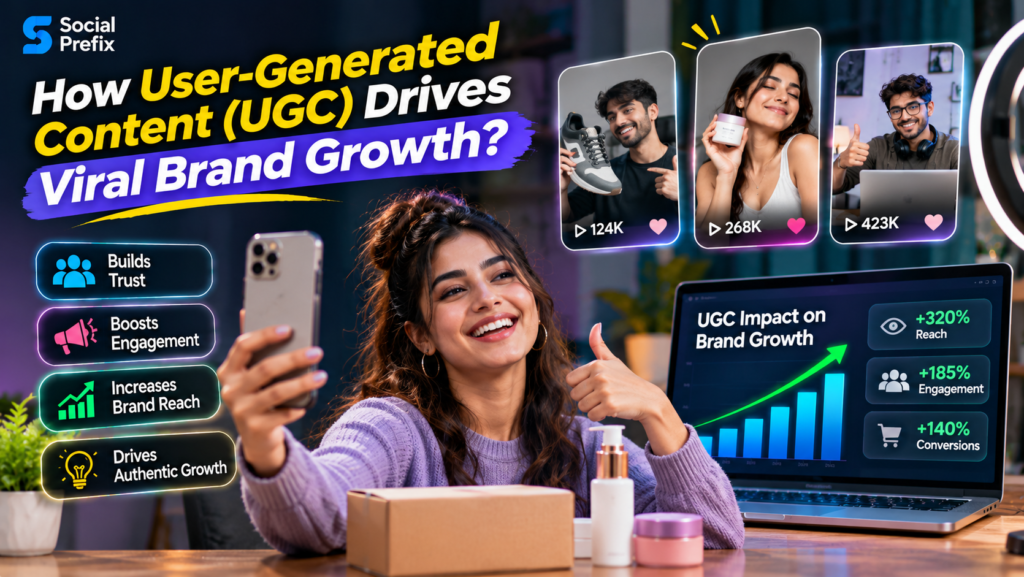
How to Leverage User Generated Content (UGC) in Digital Marketing Campaigns That Work

User-generated content (UGC) is more than just a buzzword. It is a valuable asset for brands seeking to build trust and credibility with their target audience. Studies have shown that consumers trust User Generated Content more than branded content, as it reflects real experiences and opinions. Additionally, UGC humanizes brands, making them more relatable and authentic in the eyes of consumers. Let’s explore how companies can use UGC to effectively construct digital marketing campaigns that have an impact. Encourage and Incentivize User Participation The first step in leveraging UGC is to encourage users to create and share content related to your brand. This can be achieved through various strategies, such as running contests, creating branded hashtags, or simply asking customers to share their experiences. Offering incentives, such as discounts or exclusive access, can further motivate users to participate and contribute content. Curate High-Quality Content Not all user-generated content is created equal. To ensure the success of your digital marketing campaigns, it’s essential to curate high-quality content that aligns with your brand image and messaging. Look for content that showcases your products or services in a positive light and resonates with your target audience. Additionally, seek permission from users before repurposing their content to avoid any legal issues. Showcase UGC Across Multiple Channels Once you’ve curated compelling user-generated content, it’s time to showcase it across multiple digital channels. Whether it’s on your website, social media platforms, or email newsletters, integrating UGC into your marketing efforts can enhance engagement and drive conversions. Consider creating dedicated UGC galleries or highlight reels to showcase the diverse experiences and perspectives of your customers. Foster Community Engagement User-generated content not only allows brands to connect with individual consumers but also fosters a sense of community among their audience. Encourage interactions and conversations around UGC by responding to comments, reposting user content, and creating opportunities for users to engage with each other. Building a community around your brand can lead to long-term loyalty and advocacy. Measure and Optimize Performance As with any digital marketing strategy, it’s crucial to measure the performance of your UGC campaigns and optimize accordingly. Track metrics such as engagement, reach, and conversion rates to gauge the effectiveness of your efforts. Use A/B testing to experiment with different types of UGC and messaging to identify what resonates best with your audience. Continuously refine your approach based on insights gleaned from data analysis. Incorporating user-generated content into your digital marketing campaigns can be a game-changer for your brand. By harnessing the power of authentic user experiences and opinions, you can build trust, drive engagement, and ultimately, boost sales. Remember to incentivize user participation, curate high-quality content, showcase it across multiple channels, foster community engagement, and continuously measure and optimize performance. With the right strategy and execution, user-generated content can take your digital marketing efforts to new heights.

Scroll to Top