Blogging

Ad optimization, Ad Security, affiliate marketing, AI Adoption, AI Marketing, AI Personalization, AI ROI, AI Search SEO, AI Support, Blogging, Brand Awareness, Brand Markeing, Brand Protection, Community marketing, Consumer Engagement, Content Marketing, Data Insights, Data Privacy, data protection, Data Visualization, Digital Advertising, Engagement

Which Google AI Mode SEO Mistakes Hurt Brands? Complete Guide

Google AI Mode SEO: How Businesses Can Get Discovered in AI Search Search is changing fast. People now ask long questions and get full answers on the results page. Google AI Mode leads this shift. It gives rich, conversational replies and links to a few trusted sources. For businesses, this creates a new question. How do you get picked as one of those sources? This guide explains Google AI Mode SEO in simple words. You will learn how AI search works and what makes a site worth citing. You will also get a clear checklist to act on. What Is Google AI Mode? Google AI Mode is a search experience built on generative AI. You type or speak a question, and it replies with a written answer. The answer often includes links, images, and follow-up ideas. Users can keep asking questions in one long thread. It feels more like a chat than a list of blue links. Behind the scenes, the system breaks a complex question into smaller searches. It runs them at once and then combines what it finds. Google has described this method as query fan-out. The result is a fuller answer than one search could give. Your page may be used for one small part of that answer. This is different from classic results. A ten-link page rewards the best match for one query. AI Mode rewards pages that answer many related needs clearly. Therefore, your content must be helpful across a whole topic, not just one keyword. Google AI search features are still growing, and details change often. Treat any advice as a moving target. Even so, the core ideas stay steady. Clear, useful, trusted content wins. How AI Mode Changes Traditional Search Behaviour Search habits are shifting. People used to type short phrases such as “CRM software.” Now they ask, “Which CRM suits a ten-person online store with a small budget?” These long questions carry rich intent. They show what the buyer needs and how far along they are. Follow-up questions are common too. A user may start with a broad topic and then narrow it in three or four steps. Each step can bring new sources into view. Your brand can appear at any point in that journey. It may also be missed if your content covers only the first step. Many users also read the answer and stop. This can mean fewer clicks for some pages. However, the visits that do happen often come from people who are more informed. They know what they want and arrive closer to a decision. Quality of traffic can matter more than quantity. For businesses, the message is clear. Think about the full customer journey. Answer the first question, the follow-up, and the doubt behind it. AI search optimization starts with understanding real questions. Ranking vs Being Cited in AI Search In classic SEO, you aim for position one. In AI search, you aim to be referenced. A citation is a link inside the AI answer that points to your page. It also builds brand trust, since people see your name next to the answer. The two goals overlap, but they are not the same. A page can rank well and still be skipped by AI Mode. Another page may rank lower and still be cited because it explains one point better. Google has said that strong core SEO remains the foundation. Pages must be indexed and eligible to appear in search snippets. What does this mean in practice? You need pages that give direct, well-structured answers. AI systems look for passages they can quote or summarize with confidence. Clear headings, short paragraphs, and plain language help a lot. Vague and padded pages get passed over. Brand mentions matter as well. Even when users do not click, they see who supplied the answer. Repeat exposure builds familiarity. Later, they may search for your brand by name. That direct search is a very strong buying signal. What Makes a Website More Likely to Be Referenced? No one outside Google knows the exact formula. Still, patterns are visible. Sites that get cited tend to share four traits. Topical Authority Cover your subject deeply, not thinly. Build a cluster of pages around one theme. Link them together in a logical way. For example, a payments firm might publish guides on fees, security, and compliance. Depth signals that you truly know the field. Original Information AI answers already contain common facts. They need fresh value. Share your own data, case studies, surveys, and expert views. Explain what you learned from real projects. Original insight gives Google a reason to cite you instead of a copy. Clear Entities and Relationships Entities are people, brands, products, and places. Make them easy to identify. Use consistent names across your site and profiles. Add structured data, called schema markup, so machines can read your details. Explain how things connect, such as which product solves which problem. Trust and Expertise Trust is the base of everything. Show real authors with clear credentials. Include an about page, contact details, and customer reviews. Cite reliable sources and keep facts current. Strong security, such as HTTPS, supports trust. Google calls this idea E-E-A-T, which stands for experience, expertise, authoritativeness, and trust. How to Optimize Existing Content for AI Search You do not need to start from scratch. Improve your best pages first. Follow these steps. Begin with an audit. List your top pages by traffic and by business value. Check which questions each page answers. Note gaps, weak sections, and outdated facts. This gives you a clear work list. Next, lead with answers. Put a short, direct answer near the top of each section. Follow it with detail and examples. Use question-style headings that match real searches. This format suits both readers and AI systems. Then, add depth and proof. Include numbers, examples, and expert quotes from your own team. Add short FAQs for follow-up questions. Update dates and remove stale claims. Fresh, accurate pages earn more trust. […]


AI Advertising, AI Chatbots, ai content, AI investment, AI Marketing, AI Personalization, AI ROI, Backlink, Blogging, Brand Awareness, Brand Markeing, Brand Protection, brand reputation, Digital Marketing, Marketing ROI, Marketing Strategy, Marketing Tech, marketing transparency, social media marketing, Social Media ROI

How Does AI CRM Align Sales and Marketing? A Complete Guide

AI-Powered CRM & Lead Scoring Strategy Sales teams collect huge amounts of customer data every day. Without the right strategy, this data often goes to waste. This is where an AI CRM strategy becomes essential for modern businesses. An AI-powered CRM does more than store contact details. It analyzes behavior, predicts intent, and helps teams focus on the right leads. Paired with lead scoring automation, it becomes a powerful growth tool. In this guide, we will explore how AI CRM strategy and lead scoring automation work together. We will also cover automation, alignment, and reporting best practices. By the end, you will understand how to apply these ideas in your own business. This guide is written for both sales leaders and marketing teams. Even without a technical background, you will find these ideas easy to apply. Predictive Lead Scoring by AI Predictive lead scoring uses AI to rank leads based on their likelihood to convert. Instead of guessing, sales teams rely on data-driven scores. This makes prioritization much more accurate. Traditional lead scoring relied on simple rules. For example, a lead might get points for opening an email. While useful, this approach often missed deeper behavioral patterns. Predictive lead scoring changes this completely. It analyzes historical data, including past conversions and engagement patterns. As a result, it identifies subtle signals that humans might overlook. For example, the system might notice that leads visiting pricing pages twice convert more often. It can also weigh company size, industry, and past interactions together. This creates a more complete picture of lead quality. Sales teams benefit directly from this accuracy. Instead of contacting every lead equally, they can focus on high-potential prospects first. Consequently, conversion rates often improve significantly. Marketing teams also benefit from predictive scoring. They can adjust campaigns based on which lead sources produce the highest quality scores. This creates a continuous feedback loop between marketing and sales. Predictive scoring also adapts over time. As new deals close or fall through, the system updates its understanding of what a good lead looks like. This means accuracy tends to improve the longer the tool is used. Businesses in competitive markets find this especially valuable. Faster, smarter prioritization means sales teams reach the right prospects before competitors do. This timing advantage can directly impact revenue. Scoring Beyond Demographics by AI Modern predictive scoring also looks past basic demographics. It considers behavioral signals, such as email opens, website visits, and content downloads. This broader view often produces more accurate lead rankings. CRM Automation CRM automation handles repetitive tasks that once required manual effort. This includes data entry, follow-up scheduling, and status updates. Automating these tasks saves significant time each week. One major benefit is consistency. Automated workflows follow the same steps every time, reducing human error. This ensures no lead falls through the cracks due to oversight. Automated follow-ups are especially valuable. For instance, a CRM can send a personalized email immediately after a lead fills out a form. This fast response often increases engagement rates. CRM automation also supports task assignment. Leads can be automatically routed to the right sales representative based on region or industry. This reduces delays and improves response times. Additionally, automation improves data accuracy. Manual entry often leads to typos or missing information. Automated systems pull data directly from forms, calls, or integrations, reducing these errors. Over time, automation frees sales teams to focus on relationship building. Instead of managing spreadsheets, representatives can spend more time closing deals. This shift often leads to noticeable productivity gains. Reducing Administrative Burden by AI Administrative work often drains energy from sales teams. Automating updates and reminders removes much of this burden. This gives representatives more time for meaningful customer conversations. Improving Lead Nurturing by AI Automation also supports long-term lead nurturing. Leads that are not ready to buy can receive scheduled, relevant content automatically. This keeps prospects engaged until they are ready to convert. Sales-Marketing Alignment by AI Sales and marketing alignment is essential for a successful AI CRM strategy. Without alignment, valuable data and effort often go to waste. Both teams need shared goals and clear communication. A common challenge is disagreement over lead quality. Marketing may consider a lead qualified, while sales sees it differently. Predictive lead scoring helps resolve this by providing objective, shared criteria. Regular communication between teams also matters. Shared dashboards allow both departments to see the same data in real time. This transparency reduces confusion and builds mutual trust. Clear service-level agreements can strengthen alignment further. For example, marketing might commit to delivering a certain number of qualified leads monthly. Sales, in turn, commits to timely follow-up on those leads. Joint reviews of CRM data also help both teams improve together. Discussing what worked and what did not creates continuous improvement. As a result, both departments become more effective over time. Ultimately, alignment turns the CRM into a shared tool rather than a sales-only system. This collaborative approach often leads to stronger overall performance. Shared Lead Definitions by AI Agreeing on shared definitions prevents ongoing confusion. Terms like “qualified lead” or “sales ready” should mean the same thing to everyone. Documenting these definitions clearly avoids future disagreements. Cross-Team Meetings Regular cross-team meetings also support alignment. Short, focused check-ins allow both teams to discuss trends and roadblocks. This habit keeps communication open beyond occasional reports. Reporting & Optimization by AI Reporting is where AI CRM strategy proves its real value. Without clear reporting, teams cannot measure success or identify problems. Strong reporting turns raw data into actionable insights. Key metrics should include conversion rates, lead response times, and pipeline velocity. These numbers reveal how efficiently leads move through the sales process. Tracking them regularly highlights areas needing improvement. AI-powered reporting can also identify patterns humans might miss. For example, it might reveal that leads from a specific channel convert faster. This insight can guide future marketing budget decisions. Optimization should be an ongoing process, not a one-time task. Regularly reviewing lead scoring accuracy helps ensure the system […]

Ad optimization, Ad Security, affiliate marketing, AI Adoption, AI Advertising, ai content, AI Marketing, AI Personalization, Blogging, Brand Markeing, Brand Protection, brand reputation, Brand Trust, Brand Visibility, Branding, Business Growth, Digital Marketing, Social Media, social media engagement, social media marketing, Social Media ROI, Strategies

How Do Growing Brands Handle Social Media Reporting? Ultimate Guide

Advanced Social Media Analytics & Reporting Introduction Posting content is easy. Proving its impact is harder. A strong social media analytics strategy turns scattered numbers into clear business insight. It shows what content works, what audiences respond to, and where budget should go next. This guide covers advanced social media analytics and reporting in practical terms. You will learn which KPIs matter, how to build useful marketing dashboards, and how to track attribution accurately. Finally, you will see how to present these findings to stakeholders with confidence, turning raw numbers into decisions the whole business can act on. KPIs That Matter in Social Media Not every metric deserves attention. Vanity numbers like raw likes often mean very little on their own. Instead, a solid social media analytics strategy focuses on metrics tied to business outcomes. Engagement rate shows how well content resonates with an audience. Click-through rate reveals whether posts drive real action. Meanwhile, conversion rate connects social activity directly to revenue and leads. Additionally, tracking follower growth quality matters more than follower count alone. For example, growth from targeted campaigns is more valuable than random spikes. Choosing the right KPIs keeps reporting focused and useful. Response time and customer sentiment also deserve a place on the list. These metrics reveal how well a brand serves its audience beyond simple content performance. Together, they give a fuller picture of social media health. Share of voice is another useful KPI for brands competing in a crowded market. It shows how much of the overall conversation belongs to your brand versus competitors. This context helps justify budget for future campaigns. Video completion rate matters greatly for video-heavy platforms. A high view count means little if most viewers drop off after a few seconds. Watching how far people actually get reveals whether content truly holds attention. Save and share rates deserve attention too. When people save or share a post, it signals stronger value than a quick like ever could. These actions often predict long-term brand affinity better than surface-level engagement. It also helps to track metrics consistently across platforms, even when each network defines them slightly differently. Standardizing definitions internally prevents confusion when comparing performance between channels like video, image, and text-based posts. Setting benchmarks based on past performance, rather than industry averages alone, often gives more useful context. Every brand’s audience behaves differently, so internal trends frequently matter more than broad external comparisons. Segmenting KPIs by content type also sharpens decision-making. Comparing a carousel post against a short video using the same metric can mislead a team, since each format naturally performs differently by design. Custom Reporting Dashboards in Social Media Marketing dashboards turn raw data into something teams can actually use. A good dashboard pulls data from multiple platforms into one clear view. This saves time and reduces manual reporting errors. Custom dashboards should reflect specific business goals rather than generic templates. For instance, an e-commerce brand might prioritize conversion metrics. In contrast, a media company might focus more on engagement and reach. Furthermore, dashboards should update automatically wherever possible. Manual updates waste time and often introduce mistakes. Automated marketing dashboards free up teams to focus on strategy instead of data entry. Access controls also matter for larger teams. Giving each stakeholder a relevant view, rather than one crowded dashboard, keeps reporting clear. Executives see high-level trends, while analysts can dig into granular, campaign-level detail. Historical comparisons add valuable context to any dashboard. Showing this month against last month, or against the same period last year, helps teams spot real trends instead of short-term noise. It also helps to limit each dashboard to a handful of key metrics. Cramming in every available data point overwhelms viewers and buries the numbers that actually matter most. Color coding can make dashboards even easier to scan. Using consistent colors for good, neutral, and poor performance lets viewers spot problem areas instantly, without reading every number in detail. Mobile-friendly dashboards matter more than many teams realize. Executives often check performance from a phone between meetings, so a dashboard that only works well on a large desktop screen loses much of its value. Scheduling automatic alerts for major shifts in performance also helps busy teams stay informed. Rather than checking a dashboard daily, marketers can rely on notifications to flag sudden drops or unexpected spikes worth investigating. Version control for dashboards also proves useful as teams grow. Keeping a record of when and why a dashboard’s structure changed prevents confusion when comparing numbers across different reporting periods. Attribution Tracking in Social Media Attribution tracking answers a critical question. Which channels actually drive results? Without it, marketers guess where to invest their budget. Multi-touch attribution models give a fuller picture than last-click tracking alone. They show how different platforms work together across a customer’s journey. As a result, teams can allocate budget more accurately. However, attribution tracking has become harder due to privacy changes and platform restrictions. Therefore, marketers should combine platform data with first-party analytics tools. This approach creates a more reliable, complete view of performance. Testing different attribution windows also helps. A shorter window suits fast-moving promotions, while a longer window fits considered purchases. Adjusting this setting to match the sales cycle improves accuracy significantly. Unique promo codes and landing pages offer a simple, reliable way to track social-driven conversions. Even without sophisticated tools, this method gives marketers a clear signal of which platforms perform best. Regularly auditing tracking setup also matters. Broken pixels or outdated tags quietly distort data over time. A quarterly check keeps attribution tracking accurate and trustworthy for decision-making. Cross-referencing platform-reported numbers with an independent analytics tool also builds confidence. Native platform data can sometimes overstate performance, so a second source helps validate the true impact of each channel. Documenting the attribution model chosen, and why, also helps future team members. When staff changes occur, this record prevents confusion and keeps reporting consistent across the transition. Combining attribution data with qualitative feedback, such as customer surveys, rounds out the […]

affiliate marketing, AI Adoption, AI Chatbots, AI ROI, Blogging, Brand Awareness, Business Growth, Business Marketing Strategies, Business Scaling, Business Strategy, campaigns, consumer trust, Digital Marketing, UAE

How Do You Grow a UAE Business Online? Ultimate Guide

Marketing for UAE Businesses: Digital Growth Blueprint UAE digital marketing looks different from marketing almost anywhere else in the world. The market blends fast-moving technology with deep cultural roots. A winning Dubai marketing strategy respects both sides of that equation. This guide breaks down what actually works for UAE businesses today. You will learn how local search behavior shapes visibility online. Additionally, you will see why language strategy matters so much in this region. You will also learn how paid ads perform across the wider GCC market. Finally, you will understand the cultural details that make or break a campaign. Whether you run a small shop or a growing enterprise, these lessons apply. The UAE market rewards businesses that plan carefully and respect local context. Businesses that skip this planning phase often waste budget on campaigns that never connect with the intended audience. This blueprint pulls together the practical steps that experienced local marketers actually use. Let us explore each part of this digital growth blueprint step by step. By the end, you will have a clear checklist ready to apply this week. Local Search in UAE Local search plays a huge role in how UAE customers discover businesses. Most consumers in Dubai and Abu Dhabi begin their journey with a quick search. Google remains the dominant search engine across the entire country. This holds true across every emirate, from bustling Dubai to quieter northern regions. Therefore, strong local search visibility drives real foot traffic and phone calls. First, every business needs a fully optimized Google Business Profile. This includes accurate hours, photos, and a clear service description. An incomplete or outdated profile quietly pushes potential customers toward competitors instead. Second, local keywords matter more than generic, broad search terms. For example, targeting Dubai marketing strategy performs better than a vague global phrase. Third, customer reviews carry significant weight in UAE search rankings. UAE shoppers read reviews closely before choosing a service provider. A pattern of recent, detailed reviews often outweighs a large volume of old, generic ones. Consequently, businesses should actively request and respond to customer feedback. Responding publicly, in both Arabic and English where relevant, shows genuine attentiveness. This small habit often influences purchase decisions more than people expect. Fourth, location-specific landing pages help each emirate rank on its own. A single generic page rarely captures the nuance of every local market. Businesses operating across Dubai, Abu Dhabi, and Sharjah benefit from tailoring pages to each city’s specific audience and search patterns. Fifth, mobile optimization is essential, since most UAE searches happen on smartphones. A slow or clunky mobile site quickly loses potential customers. Sixth, businesses should claim listings on regional directories beyond Google alone. Local platforms popular in the UAE add another layer of visibility. Seventh, structured data markup helps search engines display richer, more useful results. This small technical step often improves click-through rates noticeably. Local search success in the UAE requires steady, consistent effort over time. It is not a one-time setup task but an ongoing discipline. Businesses that treat local search as a living project consistently outperform competitors who set it up once and forget it. Arabic + English Strategy Language strategy sits at the heart of UAE digital marketing success. The UAE is a bilingual market, with Arabic and English both widely used. However, the two languages are not interchangeable in marketing terms. Emirati and other Arabic-speaking customers often prefer Arabic content for trust and comfort. This preference often runs deeper than simple language convenience; it reflects genuine cultural identity and pride. Meanwhile, the large expatriate population frequently searches and shops in English. This group represents the majority of the UAE’s total population, making English content essential rather than optional. Therefore, a strong UAE digital marketing plan includes both languages, done well. This does not mean simply translating one language into the other. Direct translation often misses cultural nuance and natural phrasing. Instead, businesses should create native-quality content in each language separately. Arabic content should reflect local dialect and cultural tone appropriately. English content should stay clear and professional for the diverse expat audience. Additionally, keyword research should happen separately for each language. Search terms rarely translate one-to-one between Arabic and English. A UAE digital marketing strategy that ignores this nuance loses reach and trust. It also risks appearing inauthentic to the very audience it hopes to win over. Businesses that invest in proper bilingual content build stronger local credibility. Working with native-speaking copywriters, rather than relying only on automated tools, makes a visible difference in quality. Customers can often tell within seconds whether content was translated or written naturally. That first impression shapes whether they trust the rest of the page. Paid Ads in GCC Market Paid advertising works differently across the wider GCC market than in many Western markets. Google Ads and social media ads both perform strongly across the UAE. The country has one of the highest social media penetration rates in the world. This makes paid social a particularly powerful channel for reaching engaged audiences. However, competition and cost per click vary significantly between emirates. Dubai marketing strategy campaigns often face higher competition than other regions. Meanwhile, Abu Dhabi and Sharjah can offer more affordable entry points. Social media advertising, especially on Instagram and Snapchat, performs exceptionally well regionally. UAE audiences engage heavily with visual, mobile-first advertising content. Therefore, video and image ads often outperform plain text-based campaigns. Additionally, timing matters greatly in the GCC market. Ad performance shifts noticeably during Ramadan and other regional holidays. Smart advertisers adjust messaging and budget around these predictable seasonal shifts. During Ramadan, evening hours often see a sharp rise in mobile engagement, so scheduling ads accordingly can lift results significantly. Currency and payment options also influence ad performance across the region. Ads that mention local payment methods often convert better than generic offers. Testing both Arabic and English ad variations helps identify what truly resonates. A thoughtful paid ads strategy balances reach, cost, and cultural relevance together. Retargeting campaigns also perform […]

Blogging, Brand Markeing, Content Marketing, content strategy, Conversion Rates, Engagement, Leads Generation, SEO Copywriting, Site Traffic, social media marketing

How Top Copywriting Hacks Improve Your Site Engagement

Transforming a stranger into a customer is the ultimate challenge for any online business in 2026. Therefore, using the right copywriting hacks is essential for your digital success. Truly, the way you use words can either push people away or draw them into your sales funnel. Consequently, mastering these techniques will help you see a massive shift in your conversion rates and overall revenue. Some people feel that great writing is just about being clever or using fancy language. But, the reality is that the best copywriting focuses on solving problems and meeting customer needs. Always remember, clear and helpful content is a strong signal for any search engine to value your website. This ensures that your message reaches the right people at the very moment they need your help. This approach requires a deep understanding of your audience and their biggest pain points. It helps you build a much more persuasive and profitable business for the long term. It makes your entire sales process feel much more natural and very effective. Phase 1: Nailing the Headline to Grab Attention First, let us look at the most important part of any piece of copy. Why does the headline carry so much weight when it comes to turning cold traffic into buyers? Clearly, if your headline fails to stop the scroll, the rest of your words will never be read. Therefore, you must use a copywriting hack that focuses on curiosity and a clear benefit. Elements of a High-Converting Headline Here are several ways to make your headlines much more effective: Truly, a great headline is the gateway to your entire sales message. But, you must also ensure that the headline accurately reflects the content that follows. This keeps your brand honest and prevents a high bounce rate on your website. It creates a very strong first impression for every new visitor. Phase 2: Building Interest with Relatable Stories So, how do you keep someone reading after they click on your headline? Truly, the secret to holding attention is using stories that your audience can see themselves in. Consequently, this copywriting hack turns a cold pitch into a warm conversation that builds trust. It acts as a bridge between the customer’s problem and your unique solution. How to Use Storytelling to Sell Here is how you can weave stories into your sales copy: Furthermore, this improves your search engine performance by keeping people on your page for longer. It makes your brand look very human and connected to the real needs of your community. This ensures that you are building a relationship rather than just making a one-time sale. It creates a very loyal and engaged audience for your business. Phase 3: Using Benefits Over Features to Persuade The third phase looks at how to describe what you are actually selling. Clearly, listing technical specs is not enough to convince someone to reach for their wallet. Therefore, a vital copywriting hack is to translate every feature into a meaningful benefit for the user. Converting Features into Results Firstly, identify the core feature of your product, such as a fast loading speed. Secondly, explain the benefit, which is that the customer saves time and feels less frustrated. Furthermore, emphasize how your product makes the customer feel more confident or secure. Also, show them how your service helps them save money or grow their own business faster. Lastly, remember that a strong focus on user benefits improves your search engine visibility and user experience. Truly, people do not buy products; they buy better versions of themselves. It allows you to connect with the emotional triggers that drive almost all buying decisions. This is why the most successful copywriters spend more time on benefits than on technical details. Phase 4: Creating Irresistible Calls to Action (CTAs) The fourth phase addresses the moment of truth where you ask for the sale. Clearly, a weak or confusing call to action can ruin all the hard work you put into your copy. Therefore, you must use a copywriting hack that makes clicking the button feel like the easiest choice in the world. Crafting CTAs That Actually Work Firstly, use active and commanding verbs like Get, Start, or Join. This tells the reader exactly what they need to do next without any hesitation. Secondly, repeat the main benefit right next to the button to remind them why they are there. Furthermore, use a design that makes the button stand out from the rest of the page. Also, offer a guarantee or a free trial to reduce the risk for the customer. Lastly, monitor your search engine ranking to see which pages are converting the best. Truly, a clear and bold CTA is the final step in turning cold traffic into paying customers. It turns a curious visitor into a committed buyer who is ready to take action. This ensures your business continues to grow and thrive in a competitive market. Best Practices: Refining Your Copy for Maximum ROI Great copywriting is a process of constant testing and improving. It needs a focus on data and an openness to changing what is not working. Clearly, what worked last year might not be as effective in the current digital landscape. Therefore, follow these simple habits to keep your sales copy sharp and effective. Strategies for Long-Term Copywriting Success Firstly, always perform A/B tests on your headlines and buttons to see what resonates. This data tells you exactly what your audience prefers to see and click on. Secondly, read your copy out loud to ensure it sounds natural and flows smoothly. Furthermore, keep your sentences short and your paragraphs easy to scan for mobile users. Also, use plenty of transition words to guide the reader from one thought to the next. Lastly, keep an eye on your search engine metrics to see how your copy affects your site traffic. Truly, mastering copywriting hacks is a journey that leads to higher profits and a stronger brand. It builds a foundation of […]

affiliate marketing, Blogging, content strategy, Digital Marketing, E-commerce, Engagement, Google, Instagram, Leads Generation, SEO, Strategies

How to Build a Social Media Strategy To Convert Followers into Clients

In today’s digital age, social media is far more than just a platform for sharing updates; instead, it’s a dynamic ecosystem where brands connect with their audience, build communities, and drive business growth. However, accumulating a large follower count is only half the battle. Truly, the ultimate measure of social media success lies in its ability to convert those followers into paying clients. This transformation requires a deliberate, strategic approach that moves beyond vanity metrics and focuses on tangible business outcomes. Therefore, understanding how to craft such a strategy is paramount for any business looking to monetize its social media presence. Many businesses mistakenly equate social media presence with sales. They post content, gain followers, and then wonder why their bottom line isn’t reflecting their online activity. This disconnect often stems from a lack of a clear conversion-focused strategy. Simply put, followers don’t magically become clients; instead, they need to be nurtured through a carefully designed journey that builds trust, demonstrates value, and gently guides them towards a purchasing decision. Always remember, social media is a relationship-building tool first and a sales tool second. By implementing a strategy that prioritizes engagement, value, and a clear call to action, you can turn your vibrant online community into a consistent source of revenue. The Core Problem: Beyond Vanity Metrics to Real Conversions To begin with, let’s address the fundamental challenge: moving beyond vanity metrics to real, measurable conversions. Many social media strategies get bogged down by focusing solely on superficial numbers like likes, shares, and follower counts. While these metrics can indicate reach and engagement, they often fail to translate directly into revenue. Consequently, businesses find themselves with a popular social media presence but a stagnant sales pipeline. Clearly, this disconnect highlights the need for a more strategic, outcome-driven approach to social media. Understanding the Follower-to-Client Journey Naturally, the journey from a casual follower to a loyal client is complex and requires multiple touchpoints. It’s rarely a direct jump from seeing a post to making a purchase. Instead, it typically involves several stages: Each of these stages requires a different type of content and a specific call to action. Truly, a conversion-focused social media strategy meticulously plans for this entire journey, nurturing followers at every step. Therefore, by understanding that social media is a funnel, not just a broadcast channel, businesses can create content and interactions that systematically guide their audience towards becoming valuable clients. Step 1: Define Your Target Audience and Their Needs Before you even think about posting content, the absolute first step in building a conversion-focused social media strategy is to deeply understand your target audience. Clearly, without this foundational knowledge, your efforts will be akin to shouting into the void, hoping someone relevant hears you. Truly, knowing who you’re trying to reach and what they need is paramount for creating content that genuinely resonates and ultimately converts. Therefore, invest significant time in this crucial discovery phase. Creating Detailed Buyer Personas Firstly, move beyond basic demographics and create detailed buyer personas. These are semi-fictional representations of your ideal clients, based on market research and real data about your existing customers. For example, consider their: Furthermore, understand their information consumption habits. Are they looking for quick tips, in-depth guides, inspirational stories, or behind-the-scenes glimpses? Do they prefer video, carousels, or written posts? By tailoring your content to their specific preferences and needs, you increase the likelihood of engagement and, critically, conversion. Always remember, successful conversion starts with relevance. Truly, when your content speaks directly to your audience’s challenges and aspirations, you naturally build the trust and connection necessary to move them from followers to clients. Step 2: Choose the Right Platforms and Optimize Your Profile Once you have a crystal-clear understanding of your target audience, the next critical step is to select the right social media platforms where they are most active. Clearly, trying to be everywhere at once is a recipe for diluted effort and minimal impact. Instead, a focused approach on the platforms where your ideal clients spend their time will yield far better results. Therefore, strategic platform selection is as important as the content itself. Making Your Profile a Conversion Hub Firstly, after selecting your platforms, optimize your social media profiles to serve as conversion hubs. Your profile is often the first place a potential client will go after engaging with your content. Ensure it’s professional, informative, and, most importantly, directs visitors towards your desired next step. For example: Furthermore, ensure your visual branding is consistent across all platforms. Use your brand colors, logos, and a consistent aesthetic. This creates a cohesive and professional image, building instant recognition and trust. Remember, your social media profile is a digital storefront; make it inviting and easy for potential clients to find what they need and take action. Truly, an optimized profile acts as a bridge, guiding interested followers seamlessly towards conversion. Step 3: Create Value-Driven Content for Each Funnel Stage With your audience defined and profiles optimized, the heart of your strategy lies in creating value-driven content that speaks to each stage of the follower-to-client journey. Clearly, generic content that aims for mass appeal rarely converts. Instead, your content must be tailored to nurture prospects, moving them gently from awareness all the way to a purchase decision. Therefore, a strategic content plan that addresses varying levels of intent is essential. Tailoring Content to Nurture Prospects Firstly, for the Awareness Stage, create content that educates, entertains, or inspires. This content should demonstrate your expertise and solve common pain points without being overtly salesy. Examples include: Secondly, for the Engagement and Interest Stages, provide deeper value and start positioning your solution. This content might include: Lastly, for the Consideration and Conversion Stages, your content should directly address buying intent. This is where you introduce clear calls to action: Step 4: Engage Authentically and Build Community While strategic content is crucial, social media is, at its core, about social interaction. Therefore, building a community and engaging authentically with your audience is […]

affiliate marketing, AI Advertising, Blogging, Brand Markeing, content strategy, Digital Marketing, Engagement, Leads Generation, Search Engines

How Will AI Change Paid Advertising Forever: Complete Guide

The landscape of paid advertising has always been driven by technology, but the pace of change today is truly unprecedented. For years, automation simply helped marketers perform manual tasks faster. Now, however, Artificial Intelligence (AI) is fundamentally redefining the entire structure of advertising. It is transforming campaigns from reactive, set-and-optimize processes into autonomous, real-time systems. This shift is not just about better analytics; moreover, it is about AI taking over complex strategic decisions. Consequently, marketers must adapt their skills and workflows to thrive in this new ecosystem. Today, we will explore the core ways AI is changing the future of paid advertising. We will be focusing on the rise of autonomous agents, predictive strategies, and scaled creativity. The Rise of Agentic AI: From Tools to Teammates The biggest change in paid advertising is the move from basic automation to agentic AI. Agentic AI refers to autonomous, goal-driven systems that can act, learn, and collaborate without constant human input. In the past, AI tools required a marketer to set the budget and goals, and then the tool would optimize. Now, AI agents are becoming co-strategists. For example, systems like Google’s Performance Max or Meta’s Advantage+ campaigns are prime examples. These systems do not just adjust bids; moreover, they handle full-funnel automation, deciding on sequencing, placement, and budget allocation across multiple channels instantly. Therefore, the human role shifts from monitoring data to setting high-level ethical boundaries and brand storytelling, allowing the AI to manage the real-time execution of all paid advertising campaigns. Predictive Bidding: Anticipating the Customer Journey The era of manual or even simple rule-based bidding is over. AI is changing the future of paid advertising through highly advanced predictive analytics. Specifically, modern AI algorithms can analyze massive datasets of historical behavior, real-time signals, and market trends in milliseconds. Consequently, they can accurately predict the likelihood of a conversion from a user in a specific auction. Therefore, smart bidding algorithms adjust bids at auction-time, rather than hourly or daily. They tailor the bid based on factors like the user’s device, location, time of day, and predicted Customer Lifetime Value (CLV). This level of precision ensures that ad spend is aggressively focused on high-value users and efficiently conserved on low-value traffic. This targeted, data-driven approach dramatically improves Return on Ad Spend (ROAS) for every paid advertising dollar spent. Dynamic Creative Optimization and Generative AI Creative assets are the lifeblood of paid advertising, but testing thousands of variations was historically impossible. Now, Generative AI (GenAI) is automating creative production at scale. Specifically, marketers can upload a few core assets (images, headlines, calls-to-action) to a platform. Then, the AI instantly tests hundreds of combinations in real time across different audience segments. Furthermore, GenAI is capable of creating entirely new assets. For example, tools in Meta can transform a single product image into dynamic video ads or generate customized backgrounds that adhere to brand guidelines. Consequently, the winning combination is served to each user, ensuring maximum relevance and click-through rates. This ability to instantly create and optimize personalized ad creative is a foundational way AI is changing the future of paid advertising. Hyper-Personalization at Scale Personalization used to mean inserting a first name into an email. Today, AI is changing the future of paid advertising by delivering hyper-personalized experiences for millions of people simultaneously. Specifically, AI systems use an intricate web of behavioral signals, real-time intent, and contextual triggers to tailor the entire ad journey. For instance, a user might see an ad with a different color scheme, a localized offer, or even a unique product highlight based on their recent online activity. Furthermore, AI-driven platforms are excelling at “in-the-moment” personalization, adjusting ad copy based on factors like weather, local events, or nearby inventory levels. This deep level of customization ensures the ad feels less like an advertisement and more like a helpful, tailored recommendation, which drives higher engagement and conversion rates. The Evolution of Ad Formats: Conversational and Immersive The formats for paid advertising are evolving rapidly due to AI. As voice search and conversational AI assistants like Google’s Gemini become more common, ads must adapt to answer spoken queries directly. Therefore, AI helps optimize ad copy to be conversational and answer natural language questions (e.g., “Where is the nearest vegan restaurant?”). Additionally, Augmented Reality (AR) ads, especially on social platforms, are becoming prevalent. AI enables features like virtual try-ons for clothing or makeup, allowing users to interact with a product digitally before buying. Consequently, these immersive experiences generate higher engagement and provide valuable user interaction data. This fusion of AI with new formats is a clear indicator of how AI is changing the future of paid advertising. Challenges: Privacy, Transparency, and the Human Element Despite the overwhelming benefits, the rapid advancement of AI in paid advertising introduces key challenges. Firstly, privacy regulations (like GDPR and CCPA) are tightening, which limits third-party data access. Therefore, marketers must pivot to using first-party data and AI-powered audience modeling for segmentation. Secondly, the complexity of these algorithms can create a “black box” effect, making it difficult for marketers to fully understand why the AI made a specific bidding or placement decision. This lack of transparency requires a focus on Explainable AI (XAI) models. Finally, the human element—strategic vision, brand storytelling, and ethical oversight—remains irreplaceable. AI handles the numbers, but humans provide the creativity, cultural nuance, and empathy that truly make paid advertising campaigns connect authentically with consumers. Conclusion The future of paid advertising is deeply intertwined with AI. It is a future defined by autonomous systems that handle real-time optimization, generative tools that create personalized content at scale, and predictive models that allocate budgets with pinpoint accuracy. The era of manual campaign management is ending. Therefore, marketers who embrace this technology—learning to co-pilot with AI, focus on strategic oversight, and master brand storytelling—will gain an undeniable competitive advantage. The change is not just about adopting a new tool; moreover, it is about fundamentally restructuring the marketing workflow to unlock unprecedented speed, precision, and return on investment […]

Blogging, Digital Marketing, Engagement, Instagram, Leads Generation, Search Engines, Youtube shorts

Repurposing Content: How to Get 10x Reach from a Single Blog/Video

Creating high-quality content takes a lot of time. Therefore, publishing a great blog post or a detailed video is a major achievement. However, publishing it once is not enough. Most content creators stop there. Consequently, they miss out on huge opportunities. The secret to massive growth is repurposing content. This strategy helps you get ten times the reach from a single piece. Repurposing content means changing one piece into many different formats. This allows you to meet your audience wherever they spend time. It maximizes your content creation investment. This approach is essential for any modern digital marketing plan. The Strategy: From Core Content to Micro-Pieces (repurposing content) The core of effective repurposing content is starting with one strong, valuable piece. This could be a detailed 2,000-word blog post. Or, it could be a 15-minute educational video. This core piece is your content ‘hub.’ It contains all the key ideas and data. The next step is to break this hub into many smaller, or ‘micro-pieces.’ This process is fast and efficient. For example, take a detailed blog post on “Financial Planning for Startups.” You can easily turn that into several smaller pieces. Each new piece targets a different platform and audience. This systematic approach ensures maximum coverage. Furthermore, it keeps your message consistent across all channels. This strategy saves you the time needed to create new ideas every day. Instead, you are extending the life and reach of your best work. This is the smart way to build a strong content presence. Platform-Specific Transformation Techniques (repurposing content) To successfully implement repurposing content, you must match the new format to the platform. What works on LinkedIn will not work on TikTok. You must tailor the content accordingly. Consequently, by using these specific transformations, you are not just copying. You are making your content native to the platform. This increases the chance of audience engagement. Moreover, it naturally extends your overall content reach. Why Repurposing Content Boosts SEO and Authority (repurposing content) Repurposing content has powerful SEO benefits. Every time you create a new piece of content based on the original, you can link back to that original source. For instance, a quote card on Instagram can link to the full blog post. This network of internal links signals to search engines that the original piece is an important hub of information. This link structure helps to boost the authority of the original content. It improves its search ranking. Furthermore, posting content on multiple platforms increases your brand’s visibility. It catches users who might never have visited your website. When these users see your brand everywhere, it builds trust and authority. This wide reach drives more traffic back to your main website. Ultimately, this approach creates a content ecosystem. Every piece supports every other piece. This consistent presence is the key to scaling your influence far beyond a single publish button. Frequently Asked Questions (FAQs) No. Duplicating content means publishing the exact same text on different web pages, which is bad for SEO. Repurposing content means changing the format (text to video, video to infographic, etc.). The new format is unique to the platform it is on. 2. What is the best type of content to start repurposing? The best content to start with is your evergreen content. These are pieces that remain relevant for a long time, like ‘how-to’ guides or fundamental explanations. Since they stay valuable, the repurposed versions also remain useful for months or years. 3. Will repurposing my content take more time than creating new content? Initially, it takes effort to set up the workflow. However, it is much faster than brainstorming, researching, and writing an entirely new piece. Once the main content is done, the repurposing content process is typically 50-70% quicker. 4. How often should I repurpose a single piece of content? You can repurpose a single piece multiple times over several months or even a year. For example, turn a blog into a podcast one month, three Instagram graphics the next, and a short video after that. The key is to space out the releases. 5. Does repurposing content increase my brand authority? Yes, absolutely. When your audience sees your valuable content across all their favorite platforms—YouTube, LinkedIn, email, etc.—it reinforces your brand’s expertise and credibility. This consistent presence is a huge authority booster. Also Read: How to Create Content That Builds Trust and Generates Leads Why adopt the content creation strategy How top copywriting hacks improve your site engagement Visual storytelling how to tell a compelling story with images Creating engaging content strategies for captivating your readers

affiliate marketing, Blogging, Brand Markeing, content strategy, content strategy, Digital Marketing, E-commerce, Engagement, Instagram, Leads Generation, SEO Marketing, Strategies, Youtube shorts

The Ultimate Social Media Content Calendar for Business Growth

In today’s crowded digital landscape, trying to “wing it” on social media is a surefire way to fail. Without a plan, you end up posting inconsistently, chasing fleeting trends without context, and wasting hours scrambling for content ideas. This leads to low engagement and zero real business results. A well-structured social media content calendar changes everything. It’s not simply a scheduling tool; it’s a strategic blueprint that aligns every single post with your overarching business goals, ensuring consistency and maximizing your return on time invested. Consequently, a great calendar helps you see the bigger picture, allowing you to strategically balance promotional, educational, and entertaining content to build a loyal audience. Therefore, creating a powerful content calendar is the first, most crucial step toward sustainable business growth. Step 1: Defining Your Content Pillars and Goals Before you plug in a single date, you must define the strategic foundation of your content. Start by setting clear, measurable KPIs (Key Performance Indicators) that tie directly back to your business objectives. For instance, if your business goal is increasing product sales, your social media goal might be boosting website click-through rates (CTR). Then, define your Content Pillars. These are the 3–5 overarching themes your content will consistently revolve around. Because these pillars prevent you from posting randomly, they provide structure. For example, a skincare brand’s pillars might be: Furthermore, adopt the 80/20 Rule: let 80% of your content inform, engage, or entertain, and reserve just 20% for direct promotion. This ratio builds the trust necessary for your promotional posts to truly resonate. Clearly defining these pillars ensures every post contributes directly to your brand’s content strategy and audience building efforts. Step 2: Platform Customization and Cadence It is vital to recognize that what works on one platform rarely works on another. Therefore, your calendar must be customized for each channel. Do not simply cross-post the same content everywhere; instead, repurpose the core message. For example, a lengthy blog post can be a short, professional summary on LinkedIn, a series of engaging Instagram Stories, and a quick, attention-grabbing TikTok video or YouTube Short. Next, determine an optimal posting cadence for each platform. This frequency should be both realistic for your team and effective for the platform’s algorithm. For instance, Instagram Reels and TikTok often require daily or near-daily posting for maximum reach, while LinkedIn thrives on 3–5 high-quality posts per week. Consequently, dedicate a section of your calendar to detailing the required asset type (e.g., vertical video, carousel image, short-form text), ensuring your social media strategy is perfectly tailored to each channel. Step 3: Planning, Batching, and Scheduling Effective content creation is built on batching. Instead of struggling every day to create a post, dedicate one day each week (or month) to planning and content creation. Start by populating your calendar with all major fixed dates: holidays, product launch dates, company events, and relevant national days (like National Coffee Day for a café). This process creates a stable content backbone. Next, draft all your content, including captions, relevant hashtags, and calls-to-action (CTAs). By batching, you maintain a consistent tone and look across all posts. Finally, use a dedicated social media management tool (like Buffer, Hootsuite, or CoSchedule) to schedule everything weeks in advance. This automation ensures your posts go live at the optimal time for your audience, freeing up your team to focus on the most important part of social media: real-time community engagement and responding to customer comments. This streamlined workflow is key to generating consistent business growth. Step 4: Analyze, Refine, and Optimize The work doesn’t end when a post goes live; in fact, the most valuable part of the content calendar is the optimization phase. Therefore, regularly review your social media analytics to understand what truly resonates with your audience. Look past vanity metrics like ‘likes’ and focus instead on engagement rate, CTR, and conversion rates. Ask yourself: Consequently, use these data-driven insights to refine your next planning cycle. Adjust your content pillars, increase the frequency of your best-performing formats, and swap out underperforming content topics. Social media algorithms and trends are constantly changing. Therefore, the ability to stay agile and adjust your content calendar based on performance data is the ultimate factor that separates casual posters from brands that achieve meaningful business growth. Frequently Asked Questions (FAQs) 1. How long should I plan my social media content calendar in advance? It is generally recommended to plan at least two to four weeks in advance. Many successful teams batch content creation one month ahead, allowing time for approvals, design work, and unexpected real-time content opportunities. 2. What are Content Pillars and why are they important? Content Pillars are the main themes (3–5 topics) that guide your posts. They are important because they ensure every piece of content is relevant to your brand, prevents random posting, and helps you demonstrate topical authority to your audience. 3. What is the biggest mistake businesses make with their content calendars? The biggest mistake is treating all platforms the same and cross-posting identical content. Each platform requires different formats (vertical video, text-heavy, high-res photos) and a unique posting cadence to succeed. 4. What is content batching, and how does it save time? Content batching means grouping similar tasks together, such as dedicating one block of time to brainstorming and outlining, another to design, and a third to writing captions and scheduling. It saves time by minimizing context switching, improving efficiency. 5. Which metrics should I track to measure business growth from the calendar? Focus on metrics beyond likes, such as website clicks/traffic (CTR), conversion rate (how many clicks became sales/leads), engagement rate, and audience growth across your priority channels. Also Read: Local SEO in 2025: How Small Businesses Can Beat Big Brands in Search Instagram vs TikTok vs YouTube shorts which drives better leads Why social commerce is the future Instagram TikTok sales Diversifying your social media presence beyond Facebook and Instagram How to improve companys social media strategy

affiliate marketing, Backlink, Blogging, Brand Markeing, content strategy, Digital Marketing, E-commerce, Engagement, Google Ads, Leads Generation, PPC Ads, Search Engines, SEO Marketing, social media marketing

The Top 7 SEO Mistakes That Cost You Revenue

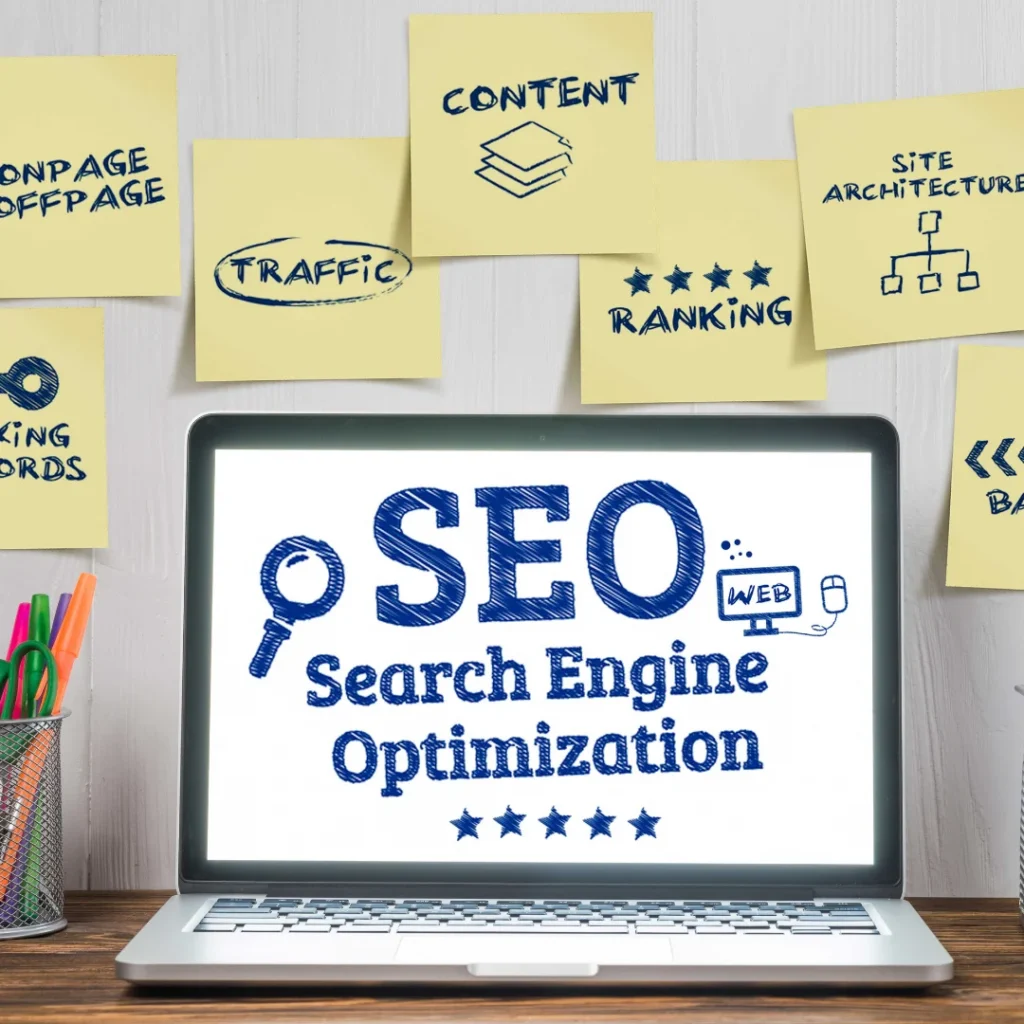
Search Engine Optimization (SEO) is not just a passing trend. It is a fundamental pillar of modern business success. Many companies invest in SEO. However, they often make critical SEO mistakes. These mistakes directly lead to lost opportunities. They also cost thousands in lost revenue. It is vital to understand and correct these errors right away. You can significantly improve your online visibility. Ultimately, this drives more traffic and sales to your business. Ignoring Mobile-First Indexing: A Costly Oversight One of the biggest SEO mistakes businesses make is neglecting mobile optimization. Google shifted to mobile-first indexing many years ago. Therefore, search engines primarily use the mobile version of your website for ranking. If your site is not responsive, you are losing out. A site that loads slowly on mobile is penalized. A poor mobile user experience also hurts your site badly. Because of this, a bad mobile experience hurts your rankings. This directly leads to lost revenue. You must always test your site’s mobile performance frequently. Google‘s Mobile-Friendly Test and PageSpeed Insights are helpful tools. They help you find specific issues quickly. You must prioritize mobile-friendly design and fast loading speeds for success. This ensures your site performs well on all devices, which is essential for modern search. Keyword Stuffing: A Practice That Harms Rankings In the past, some people believed that repeating keywords many times would improve rankings. This practice is called keyword stuffing. It is now an outdated and very harmful tactic. Now, modern search engine algorithms are very smart. They can easily detect unnatural keyword usage. When they find this poor practice, they will surely penalize your site. This causes a dramatic drop in rankings. Consequently, this particular SEO mistake can lead to significant lost revenue for any company. Instead, you must focus on using natural language. Use keywords wisely in your text. You should include them in a way that feels organic and useful. Also, use related terms and synonyms often. This provides more value to your readers. Furthermore, it easily satisfies search engine algorithms. Always remember that quality content wins every single time. Neglecting Technical SEO: The Hidden Traps Many businesses overlook technical SEO. This is a crucial area for website health. Technical SEO deals with your website’s backend structure. This structure includes things like site speed, crawlability, indexability, and structured data. These elements determine how easily search engines can access, crawl, and understand all your content. Ignoring them is a common SEO mistake that can create hidden traps for your site. For instance, slow page loading times frustrate every user. This dramatically increases your bounce rates. It also hurts your search rankings over time. Broken links and incorrect redirects confuse search engine crawlers quickly. This confusion prevents proper indexing of your key pages. Therefore, you must perform regular technical SEO audits. These audits help uncover all these hidden issues. Fixing them improves your site’s foundation immediately. This action boosts your overall SEO performance greatly. This effort directly contributes to avoiding lost revenue in the long run. Common Technical SEO Issues to Fix Now Slow Page Speed is a major issue. Users expect websites to load quickly. Because of this, search engines rank fast-loading sites higher. Broken Links create a bad user experience. They also hurt your site’s authority very badly. Missing XML Sitemaps are a problem. Sitemaps help search engines find and index all your important pages. Duplicate Content confuses all search engines. It can also dilute your ranking power across the site. No SSL Certificate (HTTPS) is a critical flaw. Security is now a major ranking factor. Browsers flag non-secure sites as dangerous. Poor Site Structure is confusing. A clear hierarchy helps both users and search engines navigate your entire site. Ignoring User Experience (UX): Beyond Keywords Alone SEO is no longer just about keywords and building backlinks. User experience (UX) now plays a huge role in all modern rankings. Search engines want to provide the very best results to their users. They look closely at how users interact with your site. If users quickly leave your site (a high bounce rate), search engines see this as a sign of poor quality. This is a subtle yet very costly SEO mistake. Ensure your website is easy to navigate at all times. You must make it visually appealing and clean. Provide clear calls to action buttons. High-quality content is also essential for success. It keeps users highly engaged with your brand. Good UX leads to longer dwell times on your pages. It also lowers your bounce rates successfully. These positive factors strongly influence your rankings. They prevent lost revenue caused by user frustration and quick exits. Not Doing Regular SEO Audits: Staying in the Dark The digital landscape changes constantly every day. Search engine algorithms update very frequently throughout the year. Therefore, an SEO audit is not a one-time task. It should be a regular and mandatory process. Not performing regular SEO audits is a critical SEO mistake. It leaves businesses entirely in the dark. This practice prevents them from identifying new issues promptly. It also means they miss new ranking opportunities completely. An effective SEO audit helps you check for broken links everywhere. It quickly identifies duplicate content that is confusing the search engines. Furthermore, it assesses keyword performance accurately. It also evaluates your backlink profile carefully. Regular audits are like essential health check-ups for your website’s performance. They keep your site optimized and competitive against rivals. This proactive approach prevents unexpected drops in traffic. It successfully protects your business from lost revenue. The Key Components of an Effective SEO Audit A Technical SEO check looks for crawl errors and site speed issues. It also checks mobile-friendliness and indexing problems. An On-Page SEO review checks content quality and keyword usage. It also reviews meta tags and internal linking structures. An Off-Page SEO analysis looks at backlink profile quality and quantity. It also checks the anchor text used. Competitive Analysis identifies what your direct competitors are doing well. It also highlights where new […]

Scroll to Top