Brand Trust

Ad optimization, Ad Security, affiliate marketing, AI Adoption, AI Advertising, AI Chatbots, AI ROI, AI Support, AI Tools, AI Trends, Analytics, Brand Awareness, Brand Markeing, Brand Protection, brand reputation, Brand Trust, Branding, Business Growth, Business Marketing Strategies, Data Analytics, Data Insights, Digital Marketing, Influencer Commerece, Influencer Marketing, Instagram

How Do You Protect Organic Traffic from AI Search? Ultimate Guide

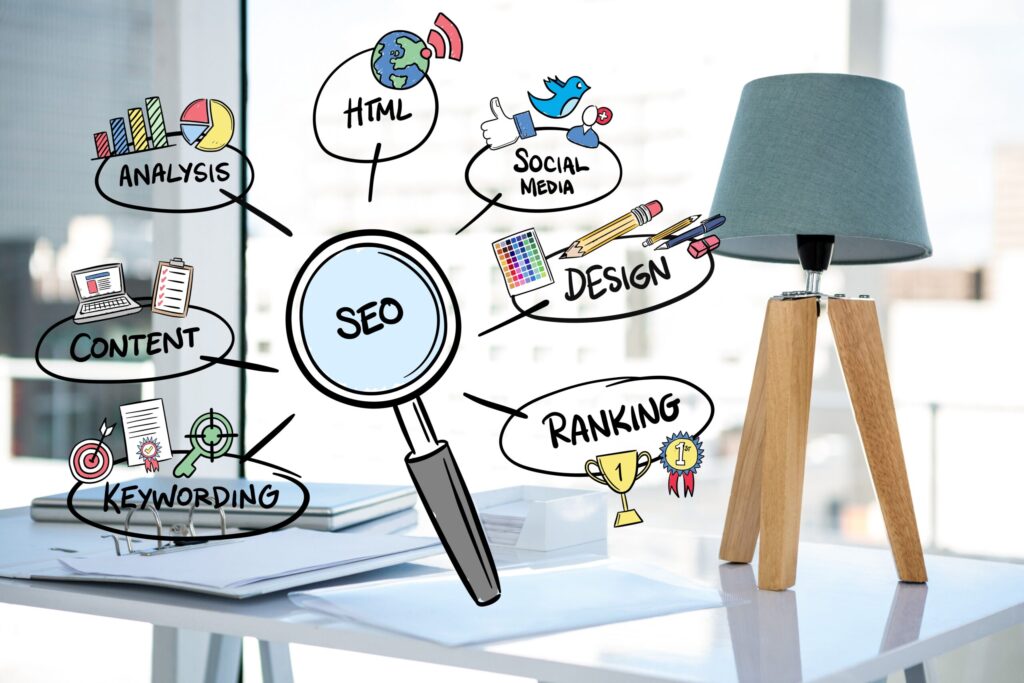
How AI Overviews Are Changing SEO Traffic and Click-Through Rates Your rankings may look fine, yet your traffic may be falling. Many site owners see this gap today. The cause is often Google’s AI Overviews. These AI-written answers now sit above the classic results. This guide explains what changed and what the data says. It also shows how to respond with a smart AI Overviews SEO plan. What Has Changed in Google Search Google now shows an AI-written summary on a large share of searches. The summary answers the question at the top of the page. It cites a few sources with small links. Many users read the answer and leave. That is why AI Overview traffic behaves so differently from classic organic traffic. Google has expanded AI features beyond the basic box. AI Mode lets users ask follow-up questions in a chat style. Answers are built from many sources at once. Links are shown, but clicks are rarely needed to finish the task. Several studies show the effect. Pew Research found that users clicked a regular result in about 8% of visits with an AI summary. Without a summary, the figure was about 15%. Ahrefs reported that AI Overviews cut clicks to the top result by 34.5% in April 2025. By December 2025, its later study put that drop near 58%. SparkToro studied searches in early 2026. It found that about 68% of US Google searches ended without a click. It found AI Overviews on more than one in five searches. Each study uses a different method, so the numbers vary. However, the direction is clear. Meanwhile, some data shows a small recovery. Seer Interactive tracked organic click rates on queries with AI Overviews. The rate hit a low near 1.3% in December 2025. It climbed to about 2.4% by February 2026. Even so, it trails the rate for searches without an AI Overview. Why Rankings Alone Are No Longer Enough For years, a top ranking meant steady clicks. That link is weaker today. A page can hold position one and lose traffic. The AI answer takes the space and the attention. Users may never scroll down to your result. Therefore, rank is now only one part of the story. Your page can be cited, ignored, or replaced inside the AI answer. A cited page may earn trust even without a click. An ignored page loses both traffic and brand exposure. You need to measure all three outcomes. The user journey has changed too. People ask longer, more detailed questions. They follow up in AI Mode or in chat tools. They may compare vendors before they ever visit a site. As a result, your brand must win trust earlier in the journey. Traffic Is Smaller, But Intent May Be Higher Some teams report fewer visits but stronger leads. Visitors who click after reading an AI answer often know what they want. They arrive further along the buying path. Consequently, a smaller crowd may still convert well. Judge results by leads and revenue, not visits alone. Impressions vs Clicks vs AI Visibility Google Search Console reports impressions, clicks, and click rate. These numbers remain useful, but they tell only part of the story. Impressions may rise while clicks fall. That pattern often signals an AI Overview on the query. Your page is seen, yet the answer satisfies the user. Think of three layers. Impressions show how often your result appeared. Clicks show how often people visited. AI visibility shows how often your brand appears inside AI answers, cited or mentioned. Only the third layer explains why the first two may drift apart. Search Console does not yet split AI Overview data cleanly. Google folds these appearances into overall web results. Therefore, teams often use extra tools and manual checks. Third-party trackers can show when a query triggers an AI Overview. They can show which brands get cited. Add simple manual checks, too. Search your top queries in a fresh browser window. Note whether an AI Overview appears. Record which sources it names. Repeat this each month to spot trends. Data quality needs care. Reports from tools should be compared with Search Console trends. Sudden drops are caused by algorithm updates or seasonality, not only by AI Overviews. Notes on site changes should be kept in one shared log. Which Queries Are Most Vulnerable to Zero-Click Behaviour? Zero-click behaviour means a user gets an answer and does not visit any site. Some queries are far more exposed than others. Knowing which ones helps you set priorities. Start with your top traffic pages and match them to these types. Definition queries are highly exposed. Examples include “what is” and “meaning of” searches. How-to questions with short answers lose clicks. Comparison queries, such as “X vs Y”, trigger AI Overviews very often. One study found a rate above 95% for informational comparison queries. Simple fact checks, quick tips, and basic list searches face risk. Health, finance, and general knowledge topics see heavy AI coverage. Encyclopedic content is especially exposed. Content type matters as well. Pages built only to answer one simple question are the easiest to replace. Pages with tools, data, or strong opinions are harder to copy. Some queries stay safer. Brand searches and product page searches bring clicks. Local searches and shopping searches lean on maps and listings. Complex, deep, or opinion-based topics need real expertise. Original research and tools keep drawing visits. How Businesses Can Adapt First, begin with an audit. Export your Search Console data for the last 12 months. Find pages with steady impressions and falling clicks. Tag them by query type. These pages are your at-risk group. Fast wins should be picked first. Titles and intros can be rewritten in a day. Schema can be added within a week. Bigger projects, such as research studies, are planned for the next quarter. Next, upgrade the content itself. For example, add direct answers at the top of each section. Use clear headings, short paragraphs, and simple lists. Add […]


Ad optimization, Ad Security, affiliate marketing, AI Adoption, AI Advertising, ai content, AI Marketing, AI Personalization, Blogging, Brand Markeing, Brand Protection, brand reputation, Brand Trust, Brand Visibility, Branding, Business Growth, Digital Marketing, Social Media, social media engagement, social media marketing, Social Media ROI, Strategies

How Do Growing Brands Handle Social Media Reporting? Ultimate Guide

Advanced Social Media Analytics & Reporting Introduction Posting content is easy. Proving its impact is harder. A strong social media analytics strategy turns scattered numbers into clear business insight. It shows what content works, what audiences respond to, and where budget should go next. This guide covers advanced social media analytics and reporting in practical terms. You will learn which KPIs matter, how to build useful marketing dashboards, and how to track attribution accurately. Finally, you will see how to present these findings to stakeholders with confidence, turning raw numbers into decisions the whole business can act on. KPIs That Matter in Social Media Not every metric deserves attention. Vanity numbers like raw likes often mean very little on their own. Instead, a solid social media analytics strategy focuses on metrics tied to business outcomes. Engagement rate shows how well content resonates with an audience. Click-through rate reveals whether posts drive real action. Meanwhile, conversion rate connects social activity directly to revenue and leads. Additionally, tracking follower growth quality matters more than follower count alone. For example, growth from targeted campaigns is more valuable than random spikes. Choosing the right KPIs keeps reporting focused and useful. Response time and customer sentiment also deserve a place on the list. These metrics reveal how well a brand serves its audience beyond simple content performance. Together, they give a fuller picture of social media health. Share of voice is another useful KPI for brands competing in a crowded market. It shows how much of the overall conversation belongs to your brand versus competitors. This context helps justify budget for future campaigns. Video completion rate matters greatly for video-heavy platforms. A high view count means little if most viewers drop off after a few seconds. Watching how far people actually get reveals whether content truly holds attention. Save and share rates deserve attention too. When people save or share a post, it signals stronger value than a quick like ever could. These actions often predict long-term brand affinity better than surface-level engagement. It also helps to track metrics consistently across platforms, even when each network defines them slightly differently. Standardizing definitions internally prevents confusion when comparing performance between channels like video, image, and text-based posts. Setting benchmarks based on past performance, rather than industry averages alone, often gives more useful context. Every brand’s audience behaves differently, so internal trends frequently matter more than broad external comparisons. Segmenting KPIs by content type also sharpens decision-making. Comparing a carousel post against a short video using the same metric can mislead a team, since each format naturally performs differently by design. Custom Reporting Dashboards in Social Media Marketing dashboards turn raw data into something teams can actually use. A good dashboard pulls data from multiple platforms into one clear view. This saves time and reduces manual reporting errors. Custom dashboards should reflect specific business goals rather than generic templates. For instance, an e-commerce brand might prioritize conversion metrics. In contrast, a media company might focus more on engagement and reach. Furthermore, dashboards should update automatically wherever possible. Manual updates waste time and often introduce mistakes. Automated marketing dashboards free up teams to focus on strategy instead of data entry. Access controls also matter for larger teams. Giving each stakeholder a relevant view, rather than one crowded dashboard, keeps reporting clear. Executives see high-level trends, while analysts can dig into granular, campaign-level detail. Historical comparisons add valuable context to any dashboard. Showing this month against last month, or against the same period last year, helps teams spot real trends instead of short-term noise. It also helps to limit each dashboard to a handful of key metrics. Cramming in every available data point overwhelms viewers and buries the numbers that actually matter most. Color coding can make dashboards even easier to scan. Using consistent colors for good, neutral, and poor performance lets viewers spot problem areas instantly, without reading every number in detail. Mobile-friendly dashboards matter more than many teams realize. Executives often check performance from a phone between meetings, so a dashboard that only works well on a large desktop screen loses much of its value. Scheduling automatic alerts for major shifts in performance also helps busy teams stay informed. Rather than checking a dashboard daily, marketers can rely on notifications to flag sudden drops or unexpected spikes worth investigating. Version control for dashboards also proves useful as teams grow. Keeping a record of when and why a dashboard’s structure changed prevents confusion when comparing numbers across different reporting periods. Attribution Tracking in Social Media Attribution tracking answers a critical question. Which channels actually drive results? Without it, marketers guess where to invest their budget. Multi-touch attribution models give a fuller picture than last-click tracking alone. They show how different platforms work together across a customer’s journey. As a result, teams can allocate budget more accurately. However, attribution tracking has become harder due to privacy changes and platform restrictions. Therefore, marketers should combine platform data with first-party analytics tools. This approach creates a more reliable, complete view of performance. Testing different attribution windows also helps. A shorter window suits fast-moving promotions, while a longer window fits considered purchases. Adjusting this setting to match the sales cycle improves accuracy significantly. Unique promo codes and landing pages offer a simple, reliable way to track social-driven conversions. Even without sophisticated tools, this method gives marketers a clear signal of which platforms perform best. Regularly auditing tracking setup also matters. Broken pixels or outdated tags quietly distort data over time. A quarterly check keeps attribution tracking accurate and trustworthy for decision-making. Cross-referencing platform-reported numbers with an independent analytics tool also builds confidence. Native platform data can sometimes overstate performance, so a second source helps validate the true impact of each channel. Documenting the attribution model chosen, and why, also helps future team members. When staff changes occur, this record prevents confusion and keeps reporting consistent across the transition. Combining attribution data with qualitative feedback, such as customer surveys, rounds out the […]

Brand Trust, consumer trust, data protection, first party data, gdpr compliance, marketing transparency

How Privacy First Marketing Builds Brand Trust

Consumers are more cautious about their data than ever before. Privacy first marketing is no longer optional for brands seeking loyalty. Trust has become a competitive advantage. Businesses that respect consumer data often earn stronger, longer-lasting relationships in return. This guide covers how data privacy marketing works in practice. You will learn what consumers now expect, which rules matter most, and how to communicate honestly. By the end, you will have a clear plan for building trust through privacy-first practices. This guide suits marketers, business owners, and startup founders alike. Regulations continue to tighten worldwide, and consumer awareness keeps growing alongside them. Together, these forces make privacy first marketing a lasting priority, not a passing trend. Let’s start with what consumers actually expect today. Consumer Expectations Around Data Awareness Has Grown Significantly Shoppers now understand that their data has real value. Consequently, they expect companies to handle it with care and transparency. Many consumers actively research a brand’s privacy practices before making a purchase. This shift means privacy has moved from a legal footnote to a marketing priority. News coverage of data breaches has also raised general awareness. As a result, even casual shoppers now recognize terms like data collection and tracking cookies. Consumers Want Control, Not Just Promises People want the ability to control what data they share and with whom. Simple opt-in and opt-out choices matter more than long, complex policy documents. Similarly, consumers expect quick, clear answers when they ask what data a company holds. Slow or vague responses damage trust quickly. Self-service data dashboards have become a popular solution. These tools let customers view, download, or delete their own information without contacting support. Trust Directly Affects Buying Decisions Many shoppers will abandon a brand after a data privacy scandal. In contrast, brands with strong privacy reputations often see repeat business grow steadily. This connection between privacy and loyalty makes data privacy marketing a business priority, not just a compliance task. Word of mouth also spreads privacy concerns quickly. A single public complaint about data misuse can influence many potential customers within days. Compliance Essentials (GDPR & Beyond) Understanding Core Privacy Regulations GDPR set a global standard for data protection requirements. Many other regions have since introduced similar rules for handling consumer data. These laws generally require clear consent, data minimization, and the right to be forgotten. Businesses operating across regions must track multiple frameworks carefully. For instance, California’s privacy laws share similarities with GDPR but include their own specific requirements. Meanwhile, other countries continue introducing new rules each year. This growing patchwork of regulations makes a flexible, privacy-first approach more practical than chasing each individual law separately. Building Compliance Into Marketing Workflows Compliance should not be an afterthought bolted onto existing campaigns. Instead, teams should build privacy checks into every stage of campaign planning. For example, marketers should verify consent before adding contacts to email lists. Additionally, data collection forms should clearly state how information will be used. Documenting these processes also matters. Clear internal records make it easier to demonstrate compliance if regulators or customers ever ask questions. Avoiding Common Compliance Mistakes Many businesses collect more data than they actually need. This habit increases both legal risk and the potential damage from any data breach. Furthermore, unclear consent language remains a frequent problem. Vague checkboxes or buried terms rarely meet modern regulatory standards. Regular audits help catch these issues early. Therefore, businesses should review data collection practices at least once or twice yearly. Third-party vendors deserve close attention too. Data shared with partners or advertising platforms still falls under your compliance responsibility. Transparent Communication Strategies Explain Data Use in Plain Language Avoid dense legal language in privacy notices whenever possible. Instead, explain data use in simple terms that any customer can understand quickly. For example, a short summary above a full policy document helps most readers grasp the key points fast. Visual aids can help too. Simple icons or short bullet points often communicate data practices faster than dense paragraphs of legal text. Communicate Proactively, Not Just Reactively Do not wait for customers to ask before explaining your data practices. Instead, share this information clearly during sign-up and checkout processes. Similarly, notify customers promptly if a data policy changes significantly. Silence around policy changes often creates suspicion, even without any real problem. Email updates or in-app notices both work well for this purpose. The key is timing, since customers should learn about changes before they take effect. Make Privacy Settings Easy to Find Bury privacy controls deep in account settings, and few customers will use them well. Instead, place these settings somewhere clear and easy to access. This visibility signals confidence. Brands that hide privacy controls often appear to have something to hide, even unintentionally. Building Brand Trust Through Privacy Turn Privacy Into a Brand Value Some companies now market their privacy practices as a core brand strength. This approach works well when the practices behind the claims are genuine. However, exaggerated privacy claims can backfire badly if scrutiny reveals gaps. Honesty remains essential throughout this entire strategy. Smaller brands can compete well here too. A genuine, well-explained privacy commitment often carries more weight than a large advertising budget alone. Use First-Party Data Responsibly As third-party tracking declines, first-party data has grown more valuable. Collecting this data directly, with clear consent, builds a stronger foundation for marketing. This approach also improves data quality. Information gathered with permission tends to be more accurate and useful than purchased data lists. Loyalty programs and preference centers offer good ways to gather this data. Customers often share information willingly when they see a clear, direct benefit in return. Train Teams on Privacy-First Practices Marketing teams need training on data handling, not just technical or legal staff. Everyone touching customer data should understand basic privacy principles. This shared understanding reduces mistakes and keeps messaging consistent with actual company practices. Measure Trust, Not Just Conversions Track metrics beyond clicks and sales alone. Customer trust surveys and unsubscribe rates reveal how […]

A/B Testing, AI Search SEO, B2B marketing, Brand Awareness, brand reputation, Brand Trust, Brand Visibility, Branding, content strategy, Digital Marketing, Instagram, Leads Generation, Local SEO, Marketing

Growth Hacking 2026 Methods That Actually Work

Startups face a tough challenge. They need to grow fast but have limited money and resources. Traditional marketing is often too slow and too expensive for early-stage companies. Growth hacking strategies for startups offer a smarter path. These are creative, data-driven methods that focus on finding the fastest route to growth. In 2026, the most successful startups are not the ones with the biggest budgets. They are the ones with the smartest playbooks. This guide covers the core growth hacking strategies you need to know. Rapid Experimentation Model The rapid experimentation model is the foundation of modern growth hacking 2025. It is built on a simple idea. Test fast, learn fast, and scale what works. Traditional businesses often spend months planning a campaign before launching it. Startups cannot afford that luxury. They need to know what works in weeks, not quarters. Therefore, rapid experimentation involves running many small tests simultaneously. Each test has a clear hypothesis. For example, a startup might test whether a red call-to-action button drives more sign-ups than a green one. They run both versions and measure results quickly. The winning version stays. The losing version gets dropped. This approach applies to pricing, messaging, landing pages, email subject lines, onboarding flows, and more. Every part of the customer journey is a potential experiment. Moreover, the compounding effect of many small improvements adds up to massive growth over time. The key to a successful rapid experimentation model is discipline. Teams need a clear process for designing tests, collecting data, and making decisions. Additionally, they must avoid confirmation bias, the tendency to favor results that match expectations. Good data always wins over assumptions. Tools like A/B testing platforms, session recording software, and analytics dashboards make rapid experimentation accessible even for small teams. Consequently, startups with just a few people can run dozens of tests simultaneously and generate significant insights. Viral Loops A viral loop is one of the most powerful startup marketing strategies available. It turns your existing users into your best marketers. When done right, growth becomes self-sustaining. A viral loop works like this. A user discovers your product. They enjoy it enough to share it with others. Those new users discover the product, enjoy it, and share it again. The cycle continues. As a result, each new user brings in more users without additional cost. Dropbox is the most famous example of a viral loop. They offered extra storage to users who referred friends. Both the referrer and the new user received a benefit. The program drove millions of sign-ups and became a key part of their early growth story. For a viral loop to work, the product itself must be worth sharing. No incentive will compensate for a poor user experience. Furthermore, the sharing mechanism must be built directly into the product. It should feel natural, not forced. There are different types of viral loops. Referral programs reward users for bringing in new customers. Collaboration features make sharing necessary to use the product. Social proof elements like user counts and reviews encourage others to try the product. In 2026, social sharing through short video content adds a new dimension to viral loops. Products that generate content people want to share on platforms like TikTok or Instagram gain exposure to entirely new audiences at no cost. Therefore, designing for shareability is now a core part of effective growth hacking strategies for startups. Low Budget Ads Paid advertising often feels out of reach for startups. However, low budget ads done smartly can deliver strong returns. The goal is precision, not scale. The first principle of low budget startup advertising is targeting. Broad audiences waste money. Narrow, highly specific audiences maximize every dollar spent. Platforms like Meta, Google, and TikTok offer powerful targeting tools. They allow advertisers to reach people based on demographics, behaviors, interests, and intent signals. Retargeting is one of the most cost-effective ad strategies available. It shows ads only to people who have already visited your website or engaged with your brand. These audiences are warmer than cold traffic and convert at higher rates. Additionally, retargeting campaigns typically cost much less than broad awareness campaigns. Creative testing is also essential for low budget advertising. Different ad formats, headlines, and visuals perform differently for different audiences. Moreover, the ads that work for competitors may not work for your brand. Test at least three to five ad creatives simultaneously and identify winners quickly. Micro-influencer partnerships offer another affordable growth channel. Micro-influencers have smaller followings but higher engagement rates. They are often more affordable than major influencers and reach highly engaged niche communities. For startups with products that appeal to specific audiences, micro-influencer campaigns can be remarkably effective. Finally, organic content amplified with small paid budgets often outperforms traditional ads. A post that gains organic engagement can be boosted with a modest spend to reach a much wider audience. This hybrid approach stretches the advertising budget further while maintaining authentic brand storytelling. Product-Led Growth Product-led growth, or PLG, is one of the defining startup marketing strategies of this era. Instead of relying on sales teams or heavy marketing spend to drive acquisition, the product itself becomes the main growth engine. In a PLG model, users discover the value of a product by using it. A free tier, free trial, or freemium version allows people to experience the product before committing to payment. The goal is to create an aha moment, the point where the user clearly sees how the product solves their problem. Slack, Notion, and Figma all grew largely through product-led strategies. Their products were so useful that people shared them with colleagues and teams. Furthermore, the collaborative features of these products meant that one user often brought in an entire organization. For startups adopting a PLG approach, onboarding design is critical. New users must reach their aha moment as quickly as possible. A confusing or slow onboarding process causes churn before the user even understands the product’s full value. Therefore, simplifying and shortening onboarding is a […]

ai content, AI Marketing, AI Support, Brand Trust, Content Marketing, content strategy, trust marketing

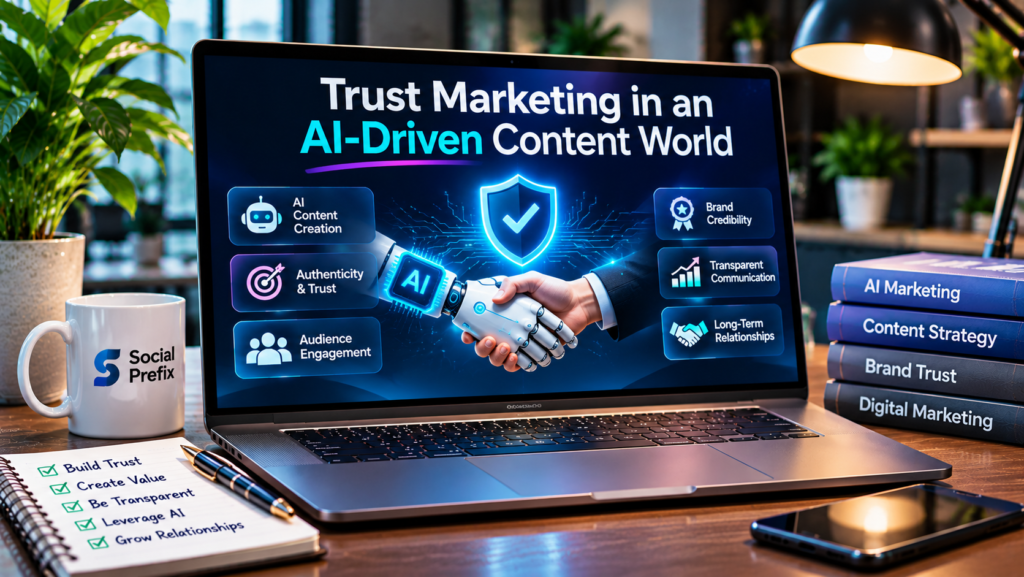
Trust Marketing in an AI-Driven Content World

AI-generated content is everywhere. Blogs, social media posts, product descriptions, and email campaigns are increasingly produced by artificial intelligence tools. This shift is fast and significant. For brands, it creates both opportunity and risk. The opportunity is greater content output at lower cost. The risk is audience skepticism. Consumers are increasingly aware of AI content, and many are skeptical of it. Trust marketing and authentic branding have therefore become more important than ever. This blog explores how brands can build and sustain genuine trust even as AI becomes central to their content strategy. Transparency in Marketing Transparency is the foundation of trust. In an era where AI generates much of the content people read, brands that are open about their processes stand out. Hiding the use of AI is not a long-term strategy. When audiences discover a brand used AI without disclosure, the reaction is often negative. Proactive transparency, however, builds credibility. Being transparent does not mean apologizing for using AI. It means being honest about how content is created and reviewed. For example, a brand might note that an article was drafted with AI assistance and reviewed by a human expert. This reassures audiences that human judgment was applied. How to Practice Transparent Content Marketing Start by developing a clear content disclosure policy. Decide when and how your brand will acknowledge AI involvement in content creation. Consistency matters. A policy that is sometimes applied and sometimes ignored confuses audiences and erodes trust. Display author bylines clearly. If a human expert reviewed and approved AI-assisted content, show their name and credentials. Additionally, include a brief note about your content creation process on your website. This openness signals confidence. Furthermore, be transparent in your advertising. Trust marketing means telling your audience what your product does honestly. Overpromising damages trust far more than admitting limitations. Humanizing AI Content AI writes efficiently, but it often lacks warmth, nuance, and personal perspective. These qualities are exactly what build emotional connection between brands and their audiences. Therefore, humanizing AI content is a strategic necessity. One effective approach is adding personal stories and real examples to AI-generated drafts. If an AI writes a product description, a human can add a specific customer story that makes the content feel real. This layer of humanity cannot be faked, and audiences feel the difference. Techniques for Adding Human Voice to AI Content Review every piece of AI content for generic phrasing. Phrases like “in today’s fast-paced world” are AI clichés that immediately signal machine-generated content. Replace them with specific, concrete language that reflects your brand’s actual voice. Incorporate first-person perspectives where appropriate. Content that shares genuine opinions or lessons from real people within your organization creates authentic branding. A sentence like “We made this mistake in 2023 and here is what we learned” is far more trustworthy than a vague general statement. Additionally, use conversational language that matches how your audience speaks. Read your content aloud. If it sounds stiff, revise it. Moreover, use questions and direct address to create a sense of dialogue. This technique makes even AI-assisted content feel personal and engaged. Social Proof Strategy Social proof is one of the most powerful trust signals available to brands. In an age of AI content, authentic third-party voices carry even more weight. When audiences cannot immediately tell whether content is human-written, they look to external validation. Customer reviews, testimonials, case studies, and user-generated content all serve as social proof. Each signals to new audiences that real people have benefited from your brand. This evidence is difficult to fabricate, which makes it especially credible. Building an Effective Social Proof Strategy for Your Brand Start by actively collecting customer feedback after every significant interaction or purchase. Make the process easy. Short, simple review requests sent promptly after a positive experience generate the best response rates. Feature social proof prominently across your marketing channels. Homepage testimonials, product page reviews, and social media posts from real customers all reinforce trust. Similarly, responding publicly to reviews, both positive and negative, demonstrates that your brand listens and cares. User-generated content, or UGC, is particularly valuable for authentic branding. When real customers share their experiences on their own social channels, it carries credibility that brand-produced content cannot match. Encourage UGC through loyalty programs or simple public recognition. Furthermore, third-party endorsements from credible industry voices add another layer of trust that AI content cannot replicate. Long-Term Trust Signals Trust is not built in a single campaign. It accumulates over time through consistent behavior and genuine accountability. Long-term trust signals are the practices and commitments that tell your audience your brand can be relied upon. Consistency is the most fundamental long-term trust signal. Brands that communicate regularly, maintain a recognizable voice, and deliver on their promises build deep audience loyalty. Inconsistency in messaging or quality erodes trust quickly. Practices That Build Lasting Brand Trust Publish a regular content schedule and maintain it. Audiences that know when to expect your content begin to rely on your brand as a resource. Missing promised content signals unreliability. Only commit to a publishing cadence you can sustain. Address mistakes publicly and directly. When your brand gets something wrong, acknowledging it quickly demonstrates integrity. This matters especially in the AI content era, where errors in AI-generated material are possible. A swift, honest correction protects your reputation far better than silence. Additionally, build long-term trust through your customer service experience. The way your brand handles complaints and questions reflects your values more clearly than any marketing campaign. Similarly, involve your audience in your brand’s development through surveys and community discussions. Over time, these gestures create a reservoir of goodwill that sustains your brand through challenges. Invest in thought leadership that provides genuine expertise. Original research, expert interviews, and data-driven insights grounded in your brand’s unique experience are harder to replicate. Consequently, they position your brand as a credible authority. In a crowded market full of AI-generated material, real expertise is one of the most powerful differentiators available. Frequently Asked Questions 1: What […]

Brand Protection, brand reputation, Brand Trust, Branding, crisis management, digital PR, ORM Tools, reputation monitoring

Online Reputation Management Best Practices: Complete Guide

Your brand reputation lives online. Customers search your name before they buy. They read reviews before they trust. They share bad experiences instantly with thousands of followers. A single negative story can spread faster than your marketing team can respond. One bad review, left unaddressed, can turn potential customers away for months. Online reputation management, or ORM, is how smart brands take control of this reality. It is not about hiding problems. It is about shaping the narrative, responding with care, and building genuine trust every day. Monitoring Brand Mentions You cannot manage what you do not see. Brand monitoring is the foundation of any effective online reputation management strategy. It means tracking every mention of your brand across the web in real time. Social media platforms generate millions of mentions every hour. Review sites like Google, Trustpilot, and Yelp shape purchase decisions. News sites and blogs influence how industry peers see you. Therefore, manual monitoring simply does not scale. Dedicated ORM tools make this manageable. Platforms like Mention, Brand24, and Sprout Social scan the web continuously. They alert you the moment your brand name appears anywhere online. What to Monitor and Where Start with your brand name. Also track product names, executive names, and common misspellings. Competitors are worth watching too. Their reputation crises can become your opportunity. Google Alerts is a free starting point. It sends email notifications when your chosen terms appear in new search results. However, it misses social media and review sites. Paid tools fill these gaps. They monitor Twitter, Instagram, LinkedIn, Reddit, TikTok, and hundreds of review platforms simultaneously. Some even track sentiment, telling you whether mentions are positive, negative, or neutral. Additionally, set up monitoring for industry keywords. When conversations about your sector happen, you want to be part of them, not catch up after the fact. Turning Monitoring Into Insight Raw data is not enough. You need insight. Volume of mentions tells you how much people talk about you. Sentiment trend shows whether perception is improving or declining. Share of voice compares your mention volume to competitors. High share of voice with positive sentiment is the goal. Tracking this monthly shows whether your brand reputation strategy is working. Furthermore, monitoring reveals customer pain points you might otherwise miss. Repeated complaints about the same product issue signal a problem worth fixing. Social listening turns reputation management into a product improvement tool. Handling Negative Reviews Negative reviews sting. However, how you respond matters more than the review itself. Customers read your replies. They judge your character by how you handle criticism. First, respond quickly. Aim to reply within 24 hours on all review platforms. Speed signals that you take feedback seriously. Delayed responses feel dismissive. Second, respond personally. Generic, copy-pasted replies make things worse. Use the reviewer’s name. Reference their specific complaint. Show that a real person read their words. Third, take the conversation offline when needed. Share a direct contact, such as an email or phone number, and invite the customer to resolve the issue privately. This prevents a public back-and-forth that can escalate. Turning Negative Reviews Into Positives A well-handled complaint can become a loyalty moment. Studies consistently show that customers whose complaints are resolved well become more loyal than those who never had a problem at all. Acknowledge the issue without over-apologizing. Explain what went wrong if appropriate. Describe what you are doing to fix it. Follow up after the resolution to confirm the customer is satisfied. Moreover, negative reviews provide valuable data. Track themes across complaints. A pattern of similar issues signals a systemic problem. Fixing it improves both the product and future reviews. Consequently, a brand that handles criticism well builds a stronger reputation than one that never faces any scrutiny. Transparency and accountability attract trust. Encouraging Positive Reviews Most happy customers do not leave reviews unless asked. Dissatisfied ones often do so without prompting. This natural imbalance skews review profiles toward the negative. Fix this by asking satisfied customers to share their experience. Post-purchase emails work well. Customer service interactions are another opportunity. Keep the ask simple and direct. Never incentivize reviews. Platforms prohibit it. Search engines penalize it. Instead, make leaving a review as easy as possible. A direct link to your Google Business profile removes friction. Additionally, respond to positive reviews too. A brief, genuine thank-you shows appreciation and signals to other potential reviewers that you engage with feedback. Crisis Framework Every brand will face a reputation crisis at some point. A product recall. A data breach. A viral complaint. A controversial statement from a leader. The question is not whether a crisis will come. The question is whether you are ready. A crisis framework is your plan for when things go wrong. It defines who does what, who speaks to the press, and how quickly decisions get made. Having this plan before the crisis hits makes all the difference. Without a framework, crisis response is chaotic. Teams argue about messaging while the story spreads online. Silence gets interpreted as guilt. Small fires become infernos. Building Your Crisis Response Plan First, assemble your crisis team. Include communications, legal, customer service, and senior leadership. Each person has a defined role. Decision-making authority is clear in advance. Second, create holding statements. These are pre-approved, neutral messages you can post immediately while gathering full information. Something like: ‘We are aware of this issue and are investigating urgently. We will provide an update within two hours.’ Third, define your escalation triggers. Not every complaint is a crisis. Determine what threshold of mentions, sentiment drop, or media coverage activates the full crisis protocol. Furthermore, practice the plan. Run scenario exercises with your team. Test how quickly you can post a response. Identify bottlenecks in your approval process and eliminate them before a real crisis hits. Managing a Crisis in Real Time Speed matters enormously. In the first hour of a crisis, the narrative is forming. Your first public statement sets the tone. Acknowledge the situation. Express concern. Commit to action. […]

Brand Awareness, Brand Markeing, Brand Trust, Brand Visibility, Youtube ads, Youtube ROI

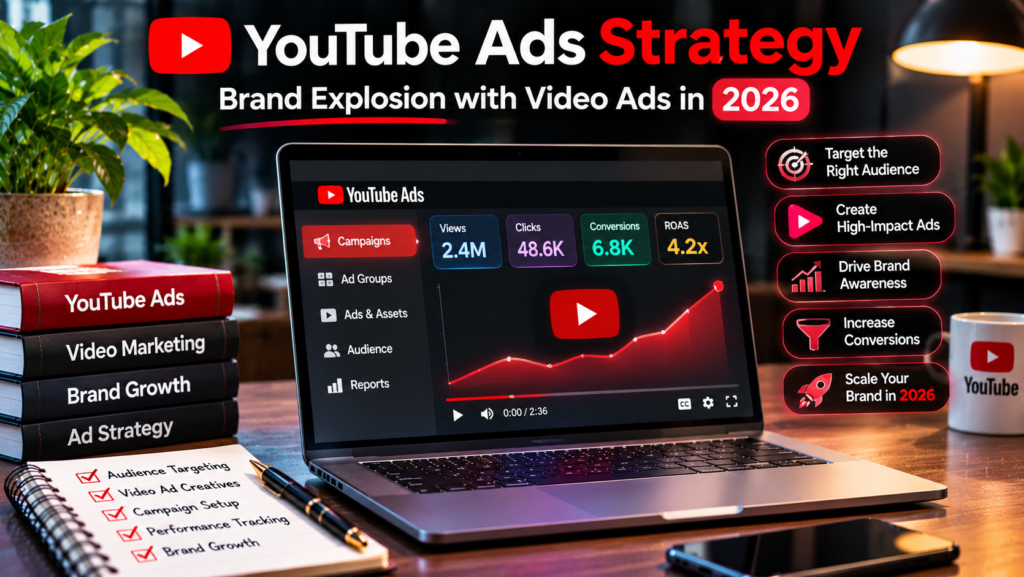
The YouTube Ads Strategy Every Brand Must Know Now

YouTube is the second-largest search engine on the planet. Over 500 hours of video are uploaded every single minute. Consequently, getting your brand seen in that ocean of content requires more than luck — it requires a smart YouTube ads strategy. Video ads in 2026 are more powerful than ever. Advanced targeting, new ad formats, and better measurement tools give advertisers unprecedented control over their spend and results. Furthermore, brands that invest in YouTube now are building an asset — audience attention — that compounds over time. This guide covers everything you need to build a YouTube ads strategy that drives real brand growth. Moreover, it focuses on what actually works in the current landscape rather than outdated advice that no longer delivers. Ad Formats Explained Understanding your tools is the first step in any YouTube ads strategy. Each format serves a different purpose, reaches audiences differently, and fits different stages of the buyer journey. Therefore, choosing the right format for each goal is crucial. Creative Best Practices Creative quality is the single biggest determinant of YouTube ad performance. Even perfect targeting cannot save a weak creative. Furthermore, in video ads 2026, viewer expectations are higher than ever — attention is earned, not assumed. The hook is everything. You have five seconds before viewers can skip. Those seconds must immediately answer the viewer’s subconscious question: why should I keep watching? Consequently, the most effective YouTube ads lead with a bold statement, a surprising visual, or a direct value proposition. Branding should appear early and naturally. Many advertisers wait until the end of an ad to show their logo. However, since most viewers skip after five seconds, late branding means most of your audience never sees your brand. Therefore, integrate your brand identity within the first three seconds — subtly but clearly. Sound design matters more than most advertisers realize. Approximately 85% of YouTube videos are watched with the sound on — the opposite of Facebook. Consequently, compelling voiceover, music, and sound effects significantly boost engagement. Additionally, always add captions to capture the remaining 15% watching silently. Call-to-action clarity drives conversions. Every YouTube ad needs a specific, visible next step. Furthermore, the CTA should match the viewer’s stage in the funnel. A top-of-funnel awareness ad asking for an immediate purchase will always underperform. Moreover, aligning your CTA to viewer intent improves both click-through rates and conversion quality. Test multiple creative variations simultaneously. The YouTube algorithm rewards ads that perform well and penalizes those that generate high skip rates or negative feedback. Consequently, launching three to five creative variants lets you identify winners quickly and scale what works while pausing what does not. Targeting & Retargeting YouTube’s targeting capabilities are among the most sophisticated in digital advertising. They let you reach people based on who they are, what they are actively searching for, and what they have already watched. Furthermore, combining multiple targeting layers dramatically improves ad relevance and efficiency. Audience targeting options include demographic groups, affinity audiences, and in-market audiences. Affinity audiences reach people with established interest patterns. In-market audiences reach people actively researching a purchase decision. Additionally, life events targeting lets you reach people during major transitions — new homes, new jobs, new babies. Custom intent audiences are a powerful and underused targeting option. They let you build audiences based on specific Google search queries. Consequently, you can target people who recently searched for your competitors’ brand names or for the specific problems your product solves. Placement targeting lets you choose specific YouTube channels or videos where your ads appear. Moreover, this is particularly valuable for niche B2B markets where your ideal customers congregate around specific content creators or channels. Retargeting turns passive viewers into active prospects. YouTube retargeting lets you create audience lists from people who watched your ads, visited your website, or interacted with your YouTube channel. Furthermore, retargeting these warm audiences with more direct, conversion-focused messaging dramatically improves campaign efficiency. Sequential retargeting takes this further. It serves viewers a series of ads in a specific order — building awareness first, then interest, then conversion intent. Additionally, this storytelling approach mirrors how great sales conversations work, making it particularly effective for considered purchases. Measuring ROI Measuring YouTube ad ROI requires a broader framework than simple last-click attribution. Video ads 2026 increasingly influence purchase decisions that happen days or weeks after first exposure. Consequently, marketers must look beyond immediate conversions to understand true impact. Brand lift studies are a powerful measurement tool available directly through Google. They measure changes in brand awareness, ad recall, consideration, and purchase intent among people exposed to your ads versus a control group. Furthermore, these studies reveal how your YouTube ads strategy is influencing perception — not just clicks. Key performance metrics to track include view rate, skip rate, average cost-per-view, click-through rate, and view-through conversions. Additionally, earned actions — likes, shares, and channel subscriptions resulting from ad exposure — indicate content that resonates beyond the paid placement. Conversion tracking must be set up correctly before launch. Google Ads conversion tracking combined with Google Analytics 4 gives you a clear picture of what happens after someone clicks your ad. Consequently, you can optimize bidding toward the actions that matter most to your business. Attribution modeling is the final piece. YouTube’s data-driven attribution model uses machine learning to assign credit across multiple touchpoints. Moreover, comparing this against last-click attribution often reveals that YouTube is delivering far more value than a simple conversion report suggests. Building a Full-Funnel YouTube Ads Strategy The most effective YouTube campaigns work across the full funnel simultaneously. Top-of-funnel campaigns build brand awareness and capture new audiences. Mid-funnel campaigns nurture warm audiences with more detailed information. Bottom-of-funnel campaigns convert high-intent viewers with direct response offers. Budget allocation across the funnel depends on your business model and current brand awareness. Newer brands should invest heavily in awareness-stage campaigns to build the audience base that retargeting campaigns need. Furthermore, as your channel audience grows, the efficiency of your retargeting efforts improves significantly. Content […]

AI Advertising, AI Support, Automation stacl, Brand Trust, Organic Growth, programmatic SEO, SEO

Why programmatic SEO Is the Key to 2026 Growth?

The search world in 2026 is moving very fast. Old ways of making one page at a time are now too slow. Because of this, brands need a better way to grow. This is where programmatic SEO helps you lead. It lets you build thousands of great pages at once. You use data instead of writing every word by hand. If you have a large set of facts, this is the best way to win. Programmatic SEO is the main engine for growth today. It helps you reach many people in a very short time. What is Programmatic SEO? At its core, programmatic SEO uses code to make web pages. You do not write each one. Instead, a computer uses a set of data to fill a page. This data might be a list of products or cities. Furthermore, the system puts these facts into a pre-set layout. Every page targets a unique search. Consequently, the computer builds a perfect structure for Google to find. This shift turns SEO from a slow task into a smart data job. It allows you to rank for long phrases that others cannot reach. When It Works Programmatic SEO works best when people search for patterns. For example, people often search for a service plus a city name. If your business fits this, you have a great chance to grow. Travel sites and stores with many items use this well too. In 2026, users ask very specific questions. Programmatic SEO helps you answer every single one. However, you must have good data to start. If you own the facts people want, you should use them. This way, you meet your customers exactly where they are. Automation Stack Required To build this engine, you need the right tools. First, you need a strong database to hold your facts. This data must be clean and ready to use. Next, you need a way to link to other data sources. After that, you need a smart layout system. This system puts the data into your web pages. In 2026, you also use AI to help refine the text. This makes sure every page sounds real and helpful. Finally, you need a tool to check for errors. This stack keeps your growth fast and safe. Avoiding Thin Content Risks The biggest risk here is making pages with no real value. If every page looks the same, Google will not show them. Because of this, you must focus on quality. Every page needs to be useful for the user. You should use unique data for every new link. For instance, add local maps or real reviews to each page. Moreover, use AI to change the way you speak on each one. This ensures that your content is not thin. If your pages help people, you will rank high. If they are empty, they will fail. Frequently Asked Questions 1 Does this replace real writers? No, it just changes their task. They now lead the AI and check the final work. 2 Is this bad for my site? It is only bad if the pages are poor. High-quality pages help your site grow. 3 How fast will I see results? You can see growth in just a few weeks. The key is to get indexed fast. 4 Can a small site use this? It works best if you have a lot of data. Small sites might stay with old SEO. 5 Does Google like AI content? Google likes content that gives a good answer. If your AI pages help, they will rank well. Read More: Why Zero-Click SEO Is the New Branding? How to Win AI search SEO for Better Rankings

Brand Trust, Business Growth, Data Analytics, Data Visualization, Digital Marketing, Marketing dashboard, Performance Tracking

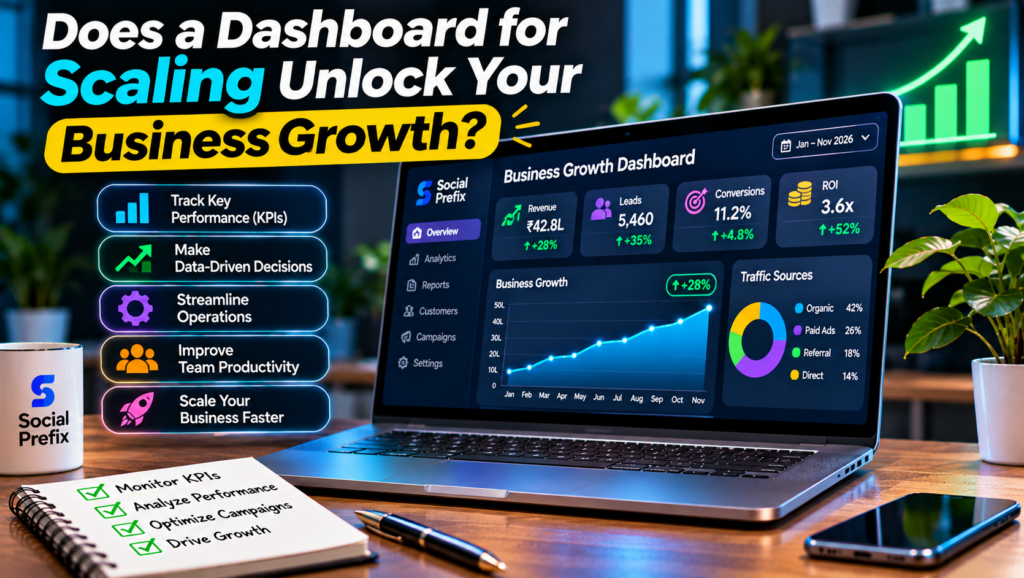
Does a dashboard for scaling unlock your business growth?

In today’s fast-paced digital world, businesses need the right tools to thrive. Many owners struggle to track their online success accurately. However, there is a simple solution to this common problem. Because of this, every company should use a central hub for their data. Specifically, a digital marketing dashboard is a game-changer for growth. It offers clear views, better insights, and a professional way to work. This move is not just a trend. In fact, it is a smart investment. Consequently, why every business needs a digital marketing dashboard is a vital topic for you. You will see a clear return on investment with this powerful tool. The Limitations of Manual Data Tracking Tracking data by hand is very hard for any business. However, many teams still try to do it every day. First, manual tracking often leads to big mistakes. Specifically, a simple error in a sheet can ruin your whole plan. Furthermore, manual work takes up too much of your time. You also miss out on real-time updates. Similarly, viewing different sites one by one is very slow. This puts your business growth at a halt. In contrast, a digital marketing dashboard solves all these issues. Why every business needs a digital marketing dashboard highlights these critical gaps. Indeed, it is a necessary step for serious operations. Real-Time Insights at Your Fingertips A digital marketing dashboard offers a live view of your data. It includes stats from ads, social media, and your website. Additionally, you get instant updates on how your campaigns perform. All these metrics work together seamlessly. Therefore, your team can make fast choices from anywhere. For example, you can stop a bad ad right away. Data saves automatically to the cloud. Thus, you never lose sight of your goals. Why every business needs a digital marketing dashboard shows how to unlock this power. It truly boosts team productivity every day. Better Budget Control and Spending Managing a budget is a major concern for any business. Manual tracking often hides where your money goes. A digital marketing dashboard, however, provides advanced clarity. For example, it shows which ads bring in the most cash. It also tracks your cost per click. You also get admin controls for your budget. This allows you to manage spending across all platforms. For instance, you can move funds to the best ads. Plus, you get a clear view of your ROI. This keeps your business safe from wasting money. Why every business needs a digital marketing dashboard focuses on this peace of mind. Your money and time are too important to risk. Enhancing Team Collaboration and Trust Sharing data with your team makes your business look professional. Imagine a single screen that everyone can see. This builds trust with your staff and partners. Similarly, it reinforces your brand goals. A digital marketing dashboard makes sharing this data very easy. For instance, you can create custom views for different roles. Consequently, this presents a unified front to the world. Why every business needs a digital marketing dashboard helps you elevate your brand. Indeed, clear communication truly matters in the business world. ROI Example 1: Saving Valuable Time Let’s look at a small team of 5 people. Each person wastes 30 minutes a day on data tasks. This includes finding stats or making manual reports. This totals 2.5 hours lost per day. Over a month, that is 50 hours. If an employee’s wage is $20 per hour, that is $1,000 lost monthly. With a digital marketing dashboard, data collection is automatic. For example, live charts and smart alerts cut down wasted time by half. Therefore, you save $500 per month. Why every business needs a digital marketing dashboard proves the ROI is clear. ROI Example 2: Preventing Costly Ad Mistakes A bad ad campaign can cost a small business thousands. In fact, it can even lead to total failure. Studies show average waste in ads is very high. Imagine a bad ad costs your business $5,000. A digital marketing dashboard’s live alerts reduce this risk greatly. By seeing the data early, you protect against huge losses. This is like having a guard for your wallet. Furthermore, the peace of mind is worth it. Why every business needs a digital marketing dashboard protects your assets. It is a smart move for your future. ROI Example 3: Fast Scaling and Growth As your business grows, your data needs change. A digital marketing dashboard scales with you. For instance, you can easily add new data sources. Similarly, your views can expand as needed. New features roll out regularly. This ensures your tools stay modern. Therefore, you will not outgrow your system. This long-term thinking saves money and effort. Consequently, you avoid changing tools later. Why every business needs a digital marketing dashboard is about smooth growth. It sets a strong foundation for future success. Finding the Right Dashboard for You Choosing the right tool is a strategic decision. It is about more than just numbers. It is about speed, clarity, and professional growth. The clear ROI examples show its value. Small businesses that use a dashboard gain a competitive edge. Therefore, they work smarter and not harder. They protect their cash and build trust. Why every business needs a digital marketing dashboard is the path to your full potential. Make the switch today and watch your business thrive. FAQs 1 Why should I use a dashboard if I have Google Analytics? A dashboard combines many tools into one view. Therefore, you see the whole picture in one place. 2 Is it hard to set up a marketing dashboard? No, most modern tools are very simple to use. Consequently, you can start seeing data in minutes. 3 Will a dashboard save my business money? Yes, it helps you find and stop wasteful spending. Thus, your budget works much harder for you. 4 Can my whole team use the same dashboard? Yes, you can share access with everyone on your team. For instance, it keeps everyone on […]

AR/VR Marketing, Audience Engagement, Brand Trust, Consumer Engagement, Digital Advertising, Google, Interactive Content, Marketing Strategy, Virtual Reality

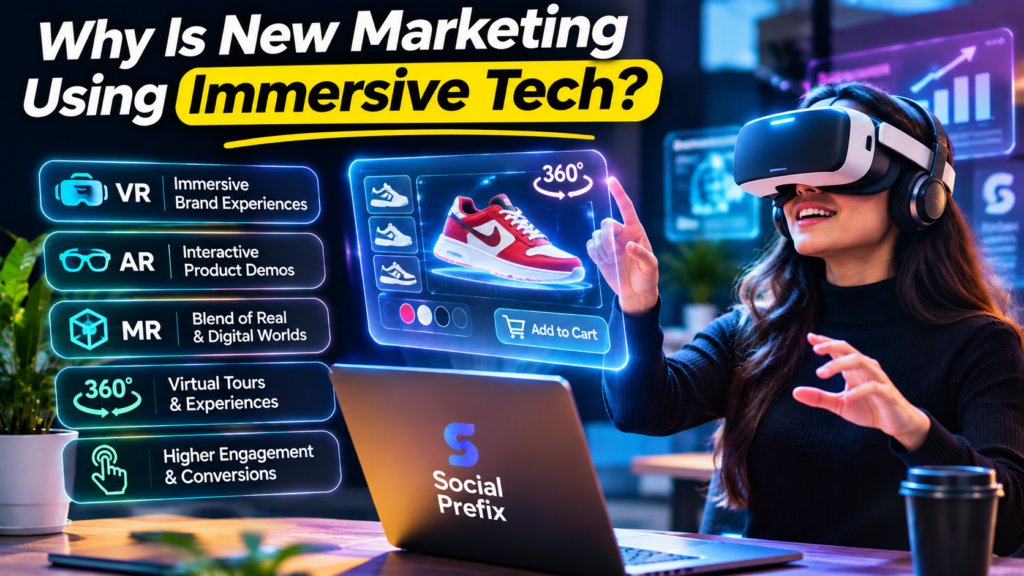
Why Is New Marketing Using Immersive Tech?

The digital world is currently moving at a very fast pace. Most people feel a deep sense of data fatigue today. They are tired of seeing the same old ads on their screens every single hour. Because of this, many leaders now ask if traditional methods still work. However, the data shows that using AR/VR in marketing is the only way to stay ahead. This guide looks at why this shift is happening now. It also shows how you can use these tools to build deep trust with your fans. The Old Style vs. The New Experience In the past, brands used simple photos and long text to sell their goods. But this old style often leads to a massive wall of text. Specifically, it bores the modern user very quickly. Because of this, the privacy hawk customer will leave your site in seconds. Consequently, your bounce rate goes up. This tells Google that your page is not helpful. Thus, your rank begins to drop. In contrast, using AR/VR in marketing creates a whole new world for the user. Instead of just looking at a flat image, the user can touch and feel the product. For instance, they can see a new sofa in their own room using a phone. Therefore, they feel much more sure about the brand. In fact, statistics from the last 12 months show that this style can double your sales. Furthermore, it gives a direct answer to the user’s biggest questions. Using the 80/20 Rule for Growth Many small shops fear that new tech costs too much money. They think it is only a tool for giant firms. Nevertheless, this is no longer the case. Specifically, you should follow the 80/20 rule to save time and cash. You can use AI tools to build 80% of your virtual world for free. This includes things like 3D shapes and basic code. Thus, you only pay for the 20% that is unique to your brand. Moreover, the return on this marketing path is very high. Because users stay on your page for a long time, search engines see you as a leader. This is a major E-E-A-T signal. In addition, it helps your site get cited in AI answers like Gemini or Perplexity. This is because you are providing specific, interactive data that AI loves to use. So, the cost is actually a smart investment in your future reach. How to Fight Data Fatigue with Trust People today are very careful about their private info. They act like privacy hawks. They hate when a brand tracks them in secret. Yet, they love when a brand is helpful and clear. This is where AR/VR in marketing wins the heart of the user. It gives the user a real choice. Instead of hiding your goals, you show them in the light. For example, you should always tell the user why you need to use their camera. This simple act of honesty builds deep trust. As a result, the user feels safe and happy. In fact, providing a “try-before-you-buy” trial is the best way to prove your value. It moves the focus from selling to helping. Finally, this trust makes the user a loyal fan for life. This is the best way to grow a brand in 2026. Breaking the Wall of Text with Visuals No one wants to read a long, dry manual anymore. To fix this, you can use AR to show people how a product works in real life. Instead of words, use a virtual guide that floats in the air. This makes your marketing much more fun and easy to use. Specifically, it helps the user learn in a natural way. When people learn fast, they feel more confident. Because of this, they are more likely to finish their purchase today. Moreover, this keeps people on your site for a very long time. This high “dwell time” tells Google that your marketing is the best in your field. Consequently, you will rank higher in the local 3 pack and in global search results. The Verdict on Your Future Strategy Some people might say that immersive tech is just a short fad. But the recent data says the exact opposite. We are moving toward a world of total immersion very soon. If you ignore this marketing path now, you will lose your spot at the top. You must adapt to stay relevant to the modern buyer. To conclude, the shift to a virtual world is real and it is here to stay. You must change your plan to survive. Start small by using simple AR filters or 3D views. Then, grow into full VR worlds as your team learns more. If you lead with value and honesty, your marketing will always find the right audience. This is how you win in a data-fatigued world. FAQs Q1: Why should I avoid bold words in my blog? Ans. Keeping the text clean helps the reader stay in a flow state. It also makes the page look more professional and easy to scan. Q2: What is an AI citation? Ans. This is when an AI like Gemini uses your blog as a source for its answer. Providing specific data helps you get cited more often. Q3: Does AR help with product returns? Ans. Yes, because users can see the product in their own space first. This leads to a 25% drop in returns for most brands. Q4: How do I handle a privacy hawk? Ans. Always ask for permission before using any data. Be clear about how the data helps the user experience. Q5: Is this strategy good for local SEO? Ans. Yes, it is great. Virtual tours and AR trials keep local users on your profile longer. This helps you stay in the Google 3 pack. READ MORE: Is Your Affiliate Strategy Built for High ROI Growth? 10 Secret Webinar Hacks for High Quality Leads Today Steps to Master WhatsApp Marketing in 30 Days: Ultimate Guide

Scroll to Top