Author name: Harshit.Mishra

Ad optimization, Ad Security, affiliate marketing, AI Adoption, AI Advertising, AI Chatbots, AI Trends, Analytics, Automation Tools, B2B marketing, Brand Visibility, Branding, Business Growth, Business Marketing Strategies, Business Scaling, Business Strategy, Digital Marketing, Marketing ROI, Marketing Strategy, Marketing Tech, Sales Automation, Search Engines, SEO

How Do SaaS Brands Optimize for Google AI Search? Ultimate Guide

Google AI Mode SEO: How Businesses Can Get Discovered in AI Search Search is changing fast. People now ask long questions and get full answers on the results page. Google AI Mode leads this shift. It gives rich, conversational replies and links to a few trusted sources. For businesses, this creates a new question. How do you get picked as one of those sources? This guide explains Google AI Mode SEO in simple words. You will learn how AI search works and what makes a site worth citing. You will also get a clear checklist to act on. What Is Google AI Mode? Google AI Mode is a search experience built on generative AI. You type or speak a question, and it replies with a written answer. The answer often includes links, images, and follow-up ideas. Users can keep asking questions in one long thread. It feels more like a chat than a list of blue links. Behind the scenes, the system breaks a complex question into smaller searches. It runs them at once and then combines what it finds. Google has described this method as query fan-out. The result is a fuller answer than one search could give. Your page may be used for one small part of that answer. This is different from classic results. A ten-link page rewards the best match for one query. AI Mode rewards pages that answer many related needs clearly. Therefore, your content must be helpful across a whole topic, not just one keyword. Google AI search features are still growing, and details change often. Treat any advice as a moving target. Even so, the core ideas stay steady. Clear, useful, trusted content wins. How AI Mode Changes Traditional Search Behaviour Search habits are shifting. People used to type short phrases such as “CRM software.” Now they ask, “Which CRM suits a ten-person online store with a small budget?” These long questions carry rich intent. They show what the buyer needs and how far along they are. Follow-up questions are common too. A user may start with a broad topic and then narrow it in three or four steps. Each step can bring new sources into view. Your brand can appear at any point in that journey. It may also be missed if your content covers only the first step. Many users also read the answer and stop. This can mean fewer clicks for some pages. However, the visits that do happen often come from people who are more informed. They know what they want and arrive closer to a decision. Quality of traffic can matter more than quantity. For businesses, the message is clear. Think about the full customer journey. Answer the first question, the follow-up, and the doubt behind it. AI search optimization starts with understanding real questions. Ranking vs Being Cited in AI Search In classic SEO, you aim for position one. In AI search, you aim to be referenced. A citation is a link inside the AI answer that points to your page. It also builds brand trust, since people see your name next to the answer. The two goals overlap, but they are not the same. A page can rank well and still be skipped by AI Mode. Another page may rank lower and still be cited because it explains one point better. Google has said that strong core SEO remains the foundation. Pages must be indexed and eligible to appear in search snippets. What does this mean in practice? You need pages that give direct, well-structured answers. AI systems look for passages they can quote or summarize with confidence. Clear headings, short paragraphs, and plain language help a lot. Vague and padded pages get passed over. Brand mentions matter as well. Even when users do not click, they see who supplied the answer. Repeat exposure builds familiarity. Later, they may search for your brand by name. That direct search is a very strong buying signal. What Makes a Website More Likely to Be Referenced? No one outside Google knows the exact formula. Still, patterns are visible. Sites that get cited tend to share four traits. Topical Authority Cover your subject deeply, not thinly. Build a cluster of pages around one theme. Link them together in a logical way. For example, a payments firm might publish guides on fees, security, and compliance. Depth signals that you truly know the field. Original Information AI answers already contain common facts. They need fresh value. Share your own data, case studies, surveys, and expert views. Explain what you learned from real projects. Original insight gives Google a reason to cite you instead of a copy. Clear Entities and Relationships Entities are people, brands, products, and places. Make them easy to identify. Use consistent names across your site and profiles. Add structured data, called schema markup, so machines can read your details. Explain how things connect, such as which product solves which problem. Trust and Expertise Trust is the base of everything. Show real authors with clear credentials. Include an about page, contact details, and customer reviews. Cite reliable sources and keep facts current. Strong security, such as HTTPS, supports trust. Google calls this idea E-E-A-T, which stands for experience, expertise, authoritativeness, and trust. How to Optimize Existing Content for AI Search You do not need to start from scratch. Improve your best pages first. Follow these steps. Begin with an audit. List your top pages by traffic and by business value. Check which questions each page answers. Note gaps, weak sections, and outdated facts. This gives you a clear work list. Next, lead with answers. Put a short, direct answer near the top of each section. Follow it with detail and examples. Use question-style headings that match real searches. This format suits both readers and AI systems. Then, add depth and proof. Include numbers, examples, and expert quotes from your own team. Add short FAQs for follow-up questions. Update dates and remove stale claims. Fresh, accurate pages earn more trust. […]

AI Advertising, AI Chatbots, ai content, AI investment, AI Marketing, AI Personalization, AI ROI, Backlink, Blogging, Brand Awareness, Brand Markeing, Brand Protection, brand reputation, Digital Marketing, Marketing ROI, Marketing Strategy, Marketing Tech, marketing transparency, social media marketing, Social Media ROI

How Does AI CRM Align Sales and Marketing? A Complete Guide

AI-Powered CRM & Lead Scoring Strategy Sales teams collect huge amounts of customer data every day. Without the right strategy, this data often goes to waste. This is where an AI CRM strategy becomes essential for modern businesses. An AI-powered CRM does more than store contact details. It analyzes behavior, predicts intent, and helps teams focus on the right leads. Paired with lead scoring automation, it becomes a powerful growth tool. In this guide, we will explore how AI CRM strategy and lead scoring automation work together. We will also cover automation, alignment, and reporting best practices. By the end, you will understand how to apply these ideas in your own business. This guide is written for both sales leaders and marketing teams. Even without a technical background, you will find these ideas easy to apply. Predictive Lead Scoring by AI Predictive lead scoring uses AI to rank leads based on their likelihood to convert. Instead of guessing, sales teams rely on data-driven scores. This makes prioritization much more accurate. Traditional lead scoring relied on simple rules. For example, a lead might get points for opening an email. While useful, this approach often missed deeper behavioral patterns. Predictive lead scoring changes this completely. It analyzes historical data, including past conversions and engagement patterns. As a result, it identifies subtle signals that humans might overlook. For example, the system might notice that leads visiting pricing pages twice convert more often. It can also weigh company size, industry, and past interactions together. This creates a more complete picture of lead quality. Sales teams benefit directly from this accuracy. Instead of contacting every lead equally, they can focus on high-potential prospects first. Consequently, conversion rates often improve significantly. Marketing teams also benefit from predictive scoring. They can adjust campaigns based on which lead sources produce the highest quality scores. This creates a continuous feedback loop between marketing and sales. Predictive scoring also adapts over time. As new deals close or fall through, the system updates its understanding of what a good lead looks like. This means accuracy tends to improve the longer the tool is used. Businesses in competitive markets find this especially valuable. Faster, smarter prioritization means sales teams reach the right prospects before competitors do. This timing advantage can directly impact revenue. Scoring Beyond Demographics by AI Modern predictive scoring also looks past basic demographics. It considers behavioral signals, such as email opens, website visits, and content downloads. This broader view often produces more accurate lead rankings. CRM Automation CRM automation handles repetitive tasks that once required manual effort. This includes data entry, follow-up scheduling, and status updates. Automating these tasks saves significant time each week. One major benefit is consistency. Automated workflows follow the same steps every time, reducing human error. This ensures no lead falls through the cracks due to oversight. Automated follow-ups are especially valuable. For instance, a CRM can send a personalized email immediately after a lead fills out a form. This fast response often increases engagement rates. CRM automation also supports task assignment. Leads can be automatically routed to the right sales representative based on region or industry. This reduces delays and improves response times. Additionally, automation improves data accuracy. Manual entry often leads to typos or missing information. Automated systems pull data directly from forms, calls, or integrations, reducing these errors. Over time, automation frees sales teams to focus on relationship building. Instead of managing spreadsheets, representatives can spend more time closing deals. This shift often leads to noticeable productivity gains. Reducing Administrative Burden by AI Administrative work often drains energy from sales teams. Automating updates and reminders removes much of this burden. This gives representatives more time for meaningful customer conversations. Improving Lead Nurturing by AI Automation also supports long-term lead nurturing. Leads that are not ready to buy can receive scheduled, relevant content automatically. This keeps prospects engaged until they are ready to convert. Sales-Marketing Alignment by AI Sales and marketing alignment is essential for a successful AI CRM strategy. Without alignment, valuable data and effort often go to waste. Both teams need shared goals and clear communication. A common challenge is disagreement over lead quality. Marketing may consider a lead qualified, while sales sees it differently. Predictive lead scoring helps resolve this by providing objective, shared criteria. Regular communication between teams also matters. Shared dashboards allow both departments to see the same data in real time. This transparency reduces confusion and builds mutual trust. Clear service-level agreements can strengthen alignment further. For example, marketing might commit to delivering a certain number of qualified leads monthly. Sales, in turn, commits to timely follow-up on those leads. Joint reviews of CRM data also help both teams improve together. Discussing what worked and what did not creates continuous improvement. As a result, both departments become more effective over time. Ultimately, alignment turns the CRM into a shared tool rather than a sales-only system. This collaborative approach often leads to stronger overall performance. Shared Lead Definitions by AI Agreeing on shared definitions prevents ongoing confusion. Terms like “qualified lead” or “sales ready” should mean the same thing to everyone. Documenting these definitions clearly avoids future disagreements. Cross-Team Meetings Regular cross-team meetings also support alignment. Short, focused check-ins allow both teams to discuss trends and roadblocks. This habit keeps communication open beyond occasional reports. Reporting & Optimization by AI Reporting is where AI CRM strategy proves its real value. Without clear reporting, teams cannot measure success or identify problems. Strong reporting turns raw data into actionable insights. Key metrics should include conversion rates, lead response times, and pipeline velocity. These numbers reveal how efficiently leads move through the sales process. Tracking them regularly highlights areas needing improvement. AI-powered reporting can also identify patterns humans might miss. For example, it might reveal that leads from a specific channel convert faster. This insight can guide future marketing budget decisions. Optimization should be an ongoing process, not a one-time task. Regularly reviewing lead scoring accuracy helps ensure the system […]

Ad optimization, Ad Security, affiliate marketing, AI Adoption, AI Advertising, AI Chatbots, ai content, AI investment, AI Marketing, Audience Scaling, Audio Content Marketing, Brand Awareness, Brand Markeing, Customer Behavior, Customer Service, Digital Marketing, digital PR, digital transformation

How Does Customer Retention Work Simply? A Complete Guide

Customer Retention Marketing Strategy for Long-Term Growth Acquiring new customers costs far more than keeping existing ones. Yet many businesses focus almost entirely on acquisition. This imbalance leaves growth potential untapped. A strong customer retention marketing strategy changes this equation completely. It turns one-time buyers into repeat customers and loyal advocates. This guide covers the key building blocks of effective retention marketing, including loyalty programs, retention flows, upsell strategies, and lifetime value measurement. Business owners, marketers, and startup founders will find practical steps to apply immediately. No matter your industry, the core idea stays the same. Customers who feel valued and understood keep coming back. Building a system around that idea, rather than relying on one-off promotions, creates compounding growth over time. The following sections break down exactly how to build that system piece by piece. Loyalty Programs for Customer Loyalty programs reward customers for continued engagement with your brand. Points, tiers, and exclusive perks all encourage repeat purchases. When done well, these programs make customers feel valued rather than just targeted. A simple points system works for many businesses starting out. Customers earn points per purchase and redeem them for discounts or free products. Additionally, tiered programs reward your most loyal customers with better perks over time. This creates a sense of progress and achievement. Gamification elements, such as progress bars toward the next reward tier, can further boost engagement. Customers enjoy seeing tangible progress toward a goal. This visual feedback encourages them to make another purchase sooner than they otherwise might. However, loyalty programs must stay simple to succeed. Complicated rules confuse customers and reduce participation. Therefore, keep the structure clear and the rewards meaningful. A well-designed loyalty program directly supports your broader repeat purchase strategy. Consider offering early access to new products for top-tier members. This kind of perk feels exclusive without costing much to deliver. Similarly, birthday rewards or surprise bonuses create positive emotional moments that customers remember. These small touches often matter more than the size of the discount itself. Email & SMS Retention Flows Automated email and SMS flows keep your brand present without constant manual effort. These messages remind customers to return, celebrate milestones, and highlight relevant offers. Timing and relevance matter more than frequency. Post-purchase flows are a great starting point. Send a thank-you message, followed by product tips, then a review request. Similarly, win-back flows target customers who have not purchased in a while. A well-timed discount or reminder can reactivate a dormant customer. SMS works well for time-sensitive offers due to high open rates. Meanwhile, email suits longer content like guides or loyalty updates. Combining both channels creates a consistent retention experience. This approach keeps customers engaged throughout their entire journey with your brand. Segment your audience before sending any retention message. A first-time buyer needs different messaging than a customer who has purchased ten times. Consequently, tailored flows perform better than generic blasts sent to your entire list. Testing subject lines and send times also improves open rates over time. Upsell & Cross-Sell Strategy for Customer Retention Upselling and cross-selling increase revenue from existing customers without new acquisition costs. Upselling encourages customers to choose a higher-value option. Cross-selling suggests complementary products that add value to their purchase. Timing plays a critical role in both strategies. Offering an upsell during checkout often works better than after the sale is complete. In contrast, cross-sell suggestions work well in follow-up emails once customers have used the initial product. This spacing prevents the offer from feeling pushy. Testing different placements helps identify what works best for your audience. Some customers respond well to in-app suggestions, while others prefer email-based recommendations sent a few days after purchase. Running small experiments before scaling a tactic across your entire customer base reduces the risk of a poor experience. Personalization also improves results significantly. Recommendations based on past purchase behavior feel relevant rather than random. As a result, customers are more likely to accept the suggestion. A thoughtful upsell and cross-sell strategy strengthens both revenue and customer satisfaction. Bundling is another effective tactic within this strategy. Grouping complementary products at a slight discount encourages larger orders. Meanwhile, showing “customers also bought” suggestions on product pages captures interest at the right moment. These tactics work best when they genuinely add value rather than simply pushing more products. Measuring Lifetime Value for Customer Customer lifetime value, or LTV, shows the total revenue a customer generates over time. This metric helps businesses understand which retention efforts truly work. Without measuring LTV, retention strategies are just guesses. Calculating LTV involves average purchase value, purchase frequency, and customer lifespan. Tracking this number over time reveals trends in customer behavior. Furthermore, segmenting LTV by customer group shows which audiences respond best to retention efforts. This data guides smarter marketing investment decisions. Businesses should review LTV alongside acquisition costs regularly. This comparison shows whether retention marketing is delivering real returns. Consistent tracking turns retention from a nice idea into a measurable growth driver. For example, a business might discover that customers who join a loyalty program have a noticeably higher LTV than those who do not. This insight justifies further investment in loyalty features. Similarly, tracking LTV by acquisition channel reveals which marketing sources bring in the most valuable long-term customers, not just the cheapest ones. Bringing the Strategy Together for Customer Loyalty programs, retention flows, upsell tactics, and LTV tracking work best as a connected system. Each element supports the others. For example, loyalty data can inform which customers receive personalized upsell offers. Meanwhile, retention flows can highlight loyalty rewards to boost participation. Start with one element if resources are limited. Many businesses begin with email retention flows due to their low cost and high impact. From there, add loyalty programs and refine upsell strategies as data becomes available. This phased approach builds a sustainable customer retention marketing strategy over time. It also helps to assign clear ownership for each piece of the strategy. One team member might manage loyalty program performance, […]

Ad optimization, Ad Security, AI Tools, AI Trends, Analytics, B2B marketing, B2B Sales, Data Insights, Data Privacy, data protection, Video Funnel, Youtube ads, Youtube ROI, Youtube shorts

How Do You Build a High-Converting Video Funnel? Ultimate Guide

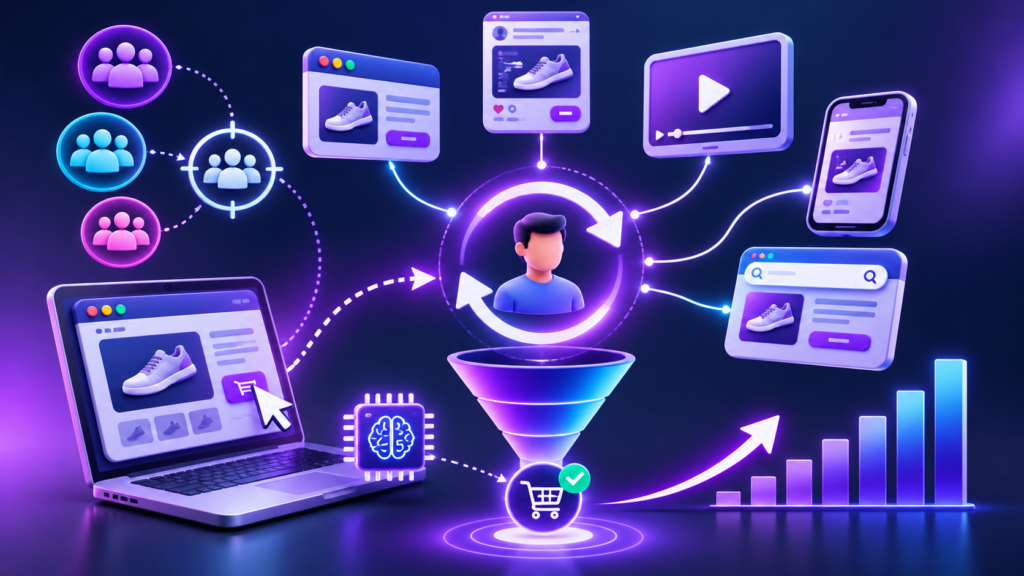
Video Marketing Funnel for 2025 Introduction Video has become the fastest way to earn attention online. Text and images still matter, but video builds trust faster than almost any other format. A well-built video marketing funnel guides a stranger from first view to loyal customer. This matters more in 2025 than ever before, as platforms reward video content with wider reach. In this guide, we will break down a complete video marketing funnel for 2025. You will learn how to structure content for each stage, from first impression to repeat purchase. Along the way, we will focus on practical steps for video lead generation, so your funnel produces real, measurable results instead of just views. By the end, you will have a clear framework you can apply immediately, regardless of your industry or budget size. Awareness Stage Video The awareness stage introduces your brand to people who have never heard of you. At this point, viewers are not ready to buy. They are simply discovering that your business exists. Videos here should educate or entertain, without pushing a hard sales message. Short-form video works especially well at this stage. Platforms favor quick, engaging clips that answer a common question or solve a small problem. For example, a skincare brand might post a fifteen-second video explaining one surprising ingredient benefit. This type of content spreads easily because it feels helpful rather than promotional. Storytelling also plays a major role in awareness videos. People remember stories longer than they remember facts. A brief video showing how your product started, or a relatable customer struggle, creates an emotional connection early in the relationship. This connection makes viewers more receptive to future messages from your brand. Consistency matters just as much as creativity. Posting occasionally will not build lasting awareness. Instead, aim for a regular publishing schedule across platforms where your audience spends time. Over weeks and months, this consistent presence builds familiarity, and familiarity naturally leads to trust. It also helps to repurpose one core idea across multiple formats. A single interview or demonstration can become a short clip, a slightly longer highlight reel, and a full-length video. This approach saves production time while still reaching viewers who prefer different content lengths across different platforms. Consideration Stage Content and it’s Video Once viewers know your brand, the consideration stage helps them evaluate whether your product fits their needs. Here, video content should go deeper than awareness content. Viewers are actively comparing options, so your videos need to answer specific questions. Product demonstration videos perform well during this stage. Showing your product in real use, rather than describing it, helps viewers picture themselves using it. Additionally, comparison videos that honestly address alternatives build credibility. Customers appreciate transparency, and a fair comparison often builds more trust than an overly promotional pitch. Customer testimonial videos are particularly powerful for video lead generation. Hearing a real person describe their experience feels more credible than branded messaging alone. Keep these testimonials specific. A testimonial mentioning an exact result, such as time saved or a measurable improvement, works better than a vague, generic compliment. Educational webinars and longer explainer videos also fit naturally here. Viewers at this stage are willing to spend more time if the content directly addresses their concerns. Therefore, do not shy away from slightly longer formats, as long as every minute adds real value. Finally, consider gating some consideration-stage content behind a simple form. This is where video lead generation becomes measurable. A viewer willing to share their email for deeper content demonstrates genuine interest, giving your sales team a clear signal to follow up. Keep the form itself short. Asking for too much information at this stage can discourage viewers who were otherwise ready to engage. A name and email address is usually enough to start a meaningful follow-up conversation without creating unnecessary friction. Conversion Video Conversion videos exist to move a warm lead toward an actual purchase decision. At this stage, viewers already understand your product. They need a final push of confidence to act. Clear calls to action are essential in conversion videos. Every video should tell viewers exactly what to do next, whether that means starting a free trial, booking a call, or completing a purchase. Ambiguous endings waste the momentum built throughout the funnel. Urgency and social proof both strengthen conversion videos. A limited-time offer, shown briefly and honestly, can encourage faster decisions. Similarly, displaying real numbers, such as customer counts or satisfaction ratings, reassures hesitant buyers that others have made the same choice successfully. Personalized video also performs remarkably well at this stage. A short, direct video addressing a specific lead’s situation, even using their name or company, can significantly increase conversion rates compared to generic content. This approach works particularly well for higher-value products where personal attention influences the final decision. Keep conversion videos short and focused. Unlike awareness content, this is not the place for lengthy storytelling. Viewers already care about your product. Your job now is simply to remove remaining doubt and make the next step obvious. Testing different endings can reveal surprising results. Some audiences respond better to a direct, confident call to action, while others prefer a softer invitation. Running small experiments across your conversion videos helps you identify which approach consistently drives more completed purchases for your specific audience. Retargeting with Video Ads Not every viewer converts on their first visit. Retargeting with video ads recaptures attention from people who showed interest but did not complete a purchase. This stage often delivers the highest return on ad spend within the entire video marketing funnel. Effective retargeting videos should reference the viewer’s previous action indirectly. For example, someone who viewed a specific product page might see a retargeting ad highlighting that exact product’s key benefit. This relevance significantly increases click-through rates compared to generic retargeting ads. Frequency matters here as well. Showing the same retargeting video too often creates fatigue and can damage brand perception. Rotate several video variations, and set reasonable frequency […]

Ad optimization, affiliate marketing, AI Adoption, AI Advertising, AI Chatbots, AI investment, AI Marketing, AI Personalization, AI ROI, AI Search SEO, Data Analytics, Growth marketing

How Do Growth-Stage Firms Use LinkedIn Ads? Ultimate Guide

Advanced LinkedIn Ads Strategy for B2B Growth LinkedIn has become one of the strongest channels for B2B growth. However, running ads there requires more than boosting a post. A real LinkedIn ads strategy needs precise targeting, smart lead capture, and constant optimization. This guide breaks down an advanced approach to B2B LinkedIn campaigns. You will learn how to target the right buyers, capture leads efficiently, retarget interested prospects, and control your costs. Each section builds on the last, so you can apply these tactics in order. Let’s start with the foundation of every strong campaign: audience targeting. Audience Targeting on LinkedIn Audience targeting determines whether your LinkedIn ads strategy succeeds or fails. Even the best ad creative underperforms if it reaches the wrong people. Therefore, targeting deserves the most attention early in your campaign setup. Start with firmographic filters. LinkedIn lets you target by company size, industry, and revenue range. These filters narrow your audience to companies that actually fit your ideal customer profile. Next, layer in job title and seniority targeting. B2B buying decisions usually involve multiple stakeholders. Targeting both decision-makers and influencers within a company often produces stronger results than targeting one title alone. Additionally, consider using matched audiences. This feature lets you upload existing contact lists or retarget website visitors directly. Matched audiences typically convert better, since these people already know your brand. Finally, avoid targeting audiences that are too broad or too narrow. A broad audience wastes budget on unqualified clicks. A narrow audience limits your reach and slows down ad delivery. Testing different audience sizes helps you find the right balance for your specific offer. Lead Gen Forms On LinkedIn Lead gen forms are one of LinkedIn’s most valuable features for B2B campaigns. They let users submit their information without leaving the platform. This convenience significantly increases conversion rates compared to standard landing pages. The main advantage comes from pre-filled fields. LinkedIn automatically populates a user’s name, job title, and company using their profile data. As a result, users complete forms in seconds, which reduces drop-off during the submission process. However, lead gen forms only work well when the offer feels valuable. A generic newsletter signup rarely performs strongly. In contrast, offers like industry reports, product demos, or free assessments tend to attract higher-quality leads. Keep your form fields minimal. Every extra field you add reduces your completion rate. Stick to the essentials, such as name, email, and company, unless additional data is truly necessary for qualification. Also, connect your lead gen forms directly to your CRM. Manual exports create delays that hurt your response time. Fast follow-up after a form submission significantly improves your chances of converting a lead into a customer. Retargeting Sequences On LinkedIn Most B2B buyers do not convert on their first ad interaction. Retargeting sequences solve this problem by keeping your brand visible throughout a longer decision-making process. This step often separates average campaigns from truly effective ones. Start by segmenting your retargeting audience. Website visitors, video viewers, and lead gen form abandoners all deserve different messaging. Treating every visitor the same way wastes an opportunity to move them further down the funnel. For website visitors, focus on trust-building content. Case studies, testimonials, and product comparisons work well here. These visitors already showed interest, so your goal is reinforcing credibility. For video viewers, consider a more direct offer. Someone who watched most of a video likely has genuine interest. A demo request or consultation offer often performs well with this warmer audience segment. Meanwhile, sequence your ads over time rather than showing the same message repeatedly. Rotating creative every one to two weeks prevents ad fatigue. This approach also lets you test which messaging resonates most with each audience segment. Cost Optimization Cost control matters just as much as targeting and creative. Without careful monitoring, LinkedIn ad spend can grow quickly with little return. Fortunately, several proven tactics help manage costs effectively. First, monitor your frequency metrics closely. If the same users see your ad too often, engagement drops and costs rise. Capping frequency, or refreshing your audience regularly, helps maintain efficiency. Second, test bidding strategies carefully. Automated bidding works well for broad awareness campaigns. However, manual bidding often gives you more control for lead generation campaigns, where cost per result matters most. Third, review your ad relevance regularly. LinkedIn rewards ads that generate strong engagement with lower costs. Poor-performing creative not only underperforms, it can also raise your overall campaign costs over time. Finally, analyze cost per qualified lead, not just cost per click. A cheap click means little if it never converts. Tracking the full funnel helps you understand true return on investment, rather than surface-level engagement numbers. Conclusion An advanced LinkedIn ads strategy requires more than launching a campaign and hoping for results. Strong audience targeting, efficient lead gen forms, thoughtful retargeting sequences, and disciplined cost optimization work together to drive real B2B growth. Each element in this guide connects to the next. Better targeting improves lead quality. Strong lead gen forms increase conversion. Retargeting nurtures prospects who are not ready yet. Cost optimization ensures your budget delivers maximum value throughout the process. If you want expert help building and managing high-performing B2B LinkedIn campaigns, Generate qualified B2B leads with Social Prefix. Their team specializes in LinkedIn ads strategy designed specifically for B2B growth. Frequently Asked Questions 1. What makes a LinkedIn ads strategy effective for B2B companies? An effective strategy combines precise audience targeting, strong offers, retargeting sequences, and ongoing cost optimization. Each element supports the others throughout the buyer’s journey. 2. Are LinkedIn lead gen forms better than landing pages? Lead gen forms often convert better because they use pre-filled profile data. However, landing pages can work well when you need more detailed qualification information. 3. How long should a retargeting sequence run? Most B2B retargeting sequences run for several weeks, since buying decisions often take time. Rotating creative every one to two weeks helps prevent ad fatigue. 4. What is a good cost […]

Ad optimization, Ad Security, affiliate marketing, AI Adoption, AI Chatbots, ai content, AI Marketing, AI ROI, AI Support, AI Tools, AI Trends, Audience Scaling, Business Strategy, Data Analytics, Data Privacy, data protection, Data Visualization, Digital Marketing, Marketing, SEO

How Do Indian Startups Market on a Budget? Ultimate Guide

Marketing For Indian Startups: 2026 Playbook Indian startups face a unique marketing landscape. Diverse languages, varied income levels, and fast-changing digital habits make this market both exciting and challenging. Founders need strategies that work without draining limited budgets. This playbook breaks down practical approaches for Indian startup marketing in 2026. From lean growth tactics to sustainable scaling, these strategies focus on real results. Let us explore what actually works for startup growth India in the current environment. Lean Growth Framework for Startups Most Indian startups operate with tight budgets, especially in the early stages. A lean growth framework helps founders achieve meaningful results without overspending. Focus On One Core Channel First Many founders try to be everywhere at once. However, spreading resources too thin often produces weak results across every channel. Instead, choose one platform where your audience is most active and master it first. For example, a B2B SaaS startup might focus entirely on LinkedIn and email outreach. Meanwhile, a consumer app might prioritize Instagram or YouTube. Depth beats width during the early growth stage. Use Data To Guide Every Decision for Startups Lean growth depends on constant testing and measurement. Track which messages, channels, and offers actually convert. This data-driven approach prevents wasted spending on tactics that simply do not work. Additionally, small experiments help startups learn quickly without major financial risk. Testing with small budgets first protects limited resources while still generating useful insights. Build Organic Content Early for Startups Organic content, such as blog posts and social media, builds long-term value. Unlike paid ads, this content continues attracting attention long after publication. Startups that invest early in organic content often see lower acquisition costs over time. Consistency matters more than perfection here. Publishing regularly, even with simple content, builds audience trust steadily. Paid Ads On Budget For Startups Paid advertising remains valuable, even for startups with limited funds. The key is spending wisely rather than spending heavily. Start Small And Scale What Works Begin paid campaigns with a modest daily budget. This limits financial risk while still generating useful performance data. Once a campaign shows strong results, gradually increase spending to scale that success. Furthermore, avoid launching too many campaigns simultaneously. Focused testing produces clearer insights than scattered, unfocused spending. Target Regional And Language Segments India’s diversity offers a unique advantage for targeted advertising. Startups can create campaigns tailored to specific regions or languages. This often produces stronger engagement than generic, nationwide messaging. For instance, ads in regional languages frequently outperform English-only campaigns in certain markets. Testing this approach can reveal valuable, underused opportunities. Retarget Warm Audiences Retargeting website visitors and app users typically costs less than acquiring new customers. These warm audiences already know your brand, making conversion more likely. Allocating part of the budget toward retargeting usually improves overall return on investment. Influencer And Community Growth for Startups Influencer marketing and community building offer cost-effective growth channels for Indian startups. Partner With Micro-Influencers Large celebrity endorsements are expensive and often out of reach for early-stage startups. Micro-influencers, however, offer strong engagement at a fraction of the cost. Their audiences tend to trust their recommendations more than typical celebrity endorsements. Choose influencers whose audience closely matches your target customer. Relevance matters more than follower count in most cases. Build An Active Community Communities create loyal customers who advocate for your brand naturally. Platforms like WhatsApp groups, Discord servers, and Telegram channels work well for Indian audiences specifically. Consistent engagement within these communities builds trust over time. Furthermore, community members often provide valuable feedback that improves the product itself. Encourage User-Generated Content User-generated content adds authenticity that traditional advertising cannot replicate. Encourage customers to share their experiences through reviews, photos, or videos. This content also serves as free, credible marketing material for future campaigns. Choosing The Right Marketing Tools For Startups Indian startups have access to a growing range of affordable marketing tools. Choosing the right ones can make lean growth far more manageable. Analytics Platforms For Small Teams Startups do not need enterprise-level analytics software right away. Free or low-cost tools can track website traffic, conversion rates, and user behavior effectively. This data helps founders make informed decisions without a large budget. Simple Email Marketing Software Email remains one of the most cost-effective channels available. Affordable email platforms allow startups to automate follow-ups and nurture leads over time. Consistent, relevant emails often outperform expensive one-time advertising pushes. Social Media Scheduling Tools Managing multiple social platforms manually consumes valuable time. Scheduling tools help maintain a consistent posting rhythm without daily manual effort. This consistency supports the organic growth strategies mentioned earlier in this playbook. Understanding The Indian Digital Consumer For Startups Successful marketing starts with understanding the audience deeply. Indian consumers show distinct behaviors that differ from other global markets. Mobile-First Behavior Most Indian internet users access content primarily through mobile devices. Therefore, every marketing asset should be optimized for mobile screens first. Slow-loading pages or poorly formatted content quickly lose potential customers. Value-Conscious Decision Making Indian consumers often research thoroughly before making purchase decisions. Highlighting clear value, rather than flashy branding alone, tends to resonate more strongly. Transparent pricing and honest messaging build trust faster in this market. Trust Signals Matter Reviews, testimonials, and word-of-mouth recommendations carry significant weight. Startups should actively collect and showcase genuine customer feedback. This social proof often influences purchase decisions more than traditional advertising claims. Scaling Sustainably Rapid growth without a solid foundation often leads to problems later. Sustainable scaling protects long-term success. Strengthen Customer Retention First Acquiring new customers costs more than retaining existing ones. Before scaling aggressively, ensure your product delivers consistent value to current users. Strong retention numbers make every future growth investment more effective. Automate Where Possible As a startup grows, manual marketing processes become harder to manage. Automation tools help maintain consistency across email campaigns, social posting, and customer follow-ups. This frees the team to focus on strategy rather than repetitive tasks. Diversify Growth Channels Gradually Once one channel proves successful, gradually test additional […]

affiliate marketing, AI Adoption, AI Chatbots, AI ROI, Blogging, Brand Awareness, Business Growth, Business Marketing Strategies, Business Scaling, Business Strategy, campaigns, consumer trust, Digital Marketing, UAE

How Do You Grow a UAE Business Online? Ultimate Guide

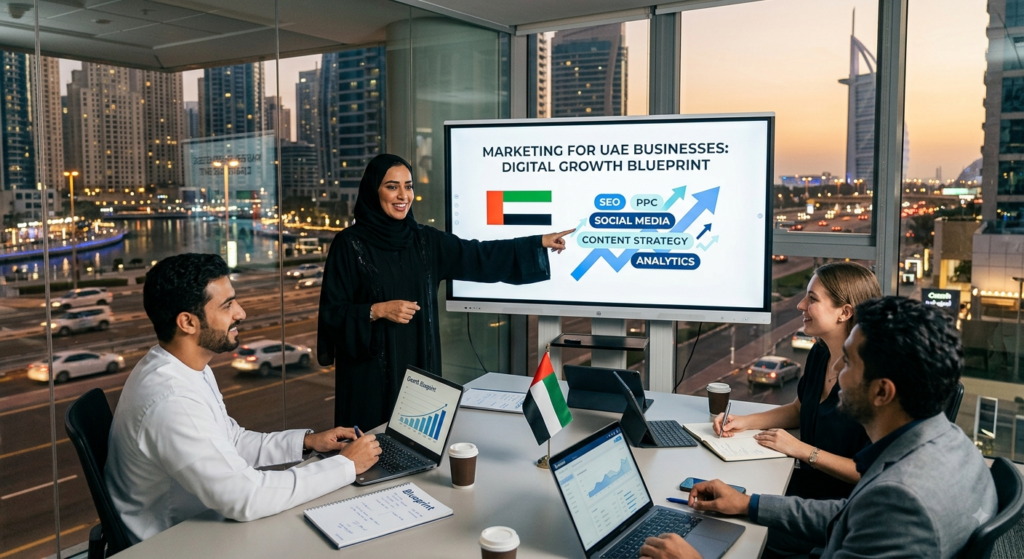
Marketing for UAE Businesses: Digital Growth Blueprint UAE digital marketing looks different from marketing almost anywhere else in the world. The market blends fast-moving technology with deep cultural roots. A winning Dubai marketing strategy respects both sides of that equation. This guide breaks down what actually works for UAE businesses today. You will learn how local search behavior shapes visibility online. Additionally, you will see why language strategy matters so much in this region. You will also learn how paid ads perform across the wider GCC market. Finally, you will understand the cultural details that make or break a campaign. Whether you run a small shop or a growing enterprise, these lessons apply. The UAE market rewards businesses that plan carefully and respect local context. Businesses that skip this planning phase often waste budget on campaigns that never connect with the intended audience. This blueprint pulls together the practical steps that experienced local marketers actually use. Let us explore each part of this digital growth blueprint step by step. By the end, you will have a clear checklist ready to apply this week. Local Search in UAE Local search plays a huge role in how UAE customers discover businesses. Most consumers in Dubai and Abu Dhabi begin their journey with a quick search. Google remains the dominant search engine across the entire country. This holds true across every emirate, from bustling Dubai to quieter northern regions. Therefore, strong local search visibility drives real foot traffic and phone calls. First, every business needs a fully optimized Google Business Profile. This includes accurate hours, photos, and a clear service description. An incomplete or outdated profile quietly pushes potential customers toward competitors instead. Second, local keywords matter more than generic, broad search terms. For example, targeting Dubai marketing strategy performs better than a vague global phrase. Third, customer reviews carry significant weight in UAE search rankings. UAE shoppers read reviews closely before choosing a service provider. A pattern of recent, detailed reviews often outweighs a large volume of old, generic ones. Consequently, businesses should actively request and respond to customer feedback. Responding publicly, in both Arabic and English where relevant, shows genuine attentiveness. This small habit often influences purchase decisions more than people expect. Fourth, location-specific landing pages help each emirate rank on its own. A single generic page rarely captures the nuance of every local market. Businesses operating across Dubai, Abu Dhabi, and Sharjah benefit from tailoring pages to each city’s specific audience and search patterns. Fifth, mobile optimization is essential, since most UAE searches happen on smartphones. A slow or clunky mobile site quickly loses potential customers. Sixth, businesses should claim listings on regional directories beyond Google alone. Local platforms popular in the UAE add another layer of visibility. Seventh, structured data markup helps search engines display richer, more useful results. This small technical step often improves click-through rates noticeably. Local search success in the UAE requires steady, consistent effort over time. It is not a one-time setup task but an ongoing discipline. Businesses that treat local search as a living project consistently outperform competitors who set it up once and forget it. Arabic + English Strategy Language strategy sits at the heart of UAE digital marketing success. The UAE is a bilingual market, with Arabic and English both widely used. However, the two languages are not interchangeable in marketing terms. Emirati and other Arabic-speaking customers often prefer Arabic content for trust and comfort. This preference often runs deeper than simple language convenience; it reflects genuine cultural identity and pride. Meanwhile, the large expatriate population frequently searches and shops in English. This group represents the majority of the UAE’s total population, making English content essential rather than optional. Therefore, a strong UAE digital marketing plan includes both languages, done well. This does not mean simply translating one language into the other. Direct translation often misses cultural nuance and natural phrasing. Instead, businesses should create native-quality content in each language separately. Arabic content should reflect local dialect and cultural tone appropriately. English content should stay clear and professional for the diverse expat audience. Additionally, keyword research should happen separately for each language. Search terms rarely translate one-to-one between Arabic and English. A UAE digital marketing strategy that ignores this nuance loses reach and trust. It also risks appearing inauthentic to the very audience it hopes to win over. Businesses that invest in proper bilingual content build stronger local credibility. Working with native-speaking copywriters, rather than relying only on automated tools, makes a visible difference in quality. Customers can often tell within seconds whether content was translated or written naturally. That first impression shapes whether they trust the rest of the page. Paid Ads in GCC Market Paid advertising works differently across the wider GCC market than in many Western markets. Google Ads and social media ads both perform strongly across the UAE. The country has one of the highest social media penetration rates in the world. This makes paid social a particularly powerful channel for reaching engaged audiences. However, competition and cost per click vary significantly between emirates. Dubai marketing strategy campaigns often face higher competition than other regions. Meanwhile, Abu Dhabi and Sharjah can offer more affordable entry points. Social media advertising, especially on Instagram and Snapchat, performs exceptionally well regionally. UAE audiences engage heavily with visual, mobile-first advertising content. Therefore, video and image ads often outperform plain text-based campaigns. Additionally, timing matters greatly in the GCC market. Ad performance shifts noticeably during Ramadan and other regional holidays. Smart advertisers adjust messaging and budget around these predictable seasonal shifts. During Ramadan, evening hours often see a sharp rise in mobile engagement, so scheduling ads accordingly can lift results significantly. Currency and payment options also influence ad performance across the region. Ads that mention local payment methods often convert better than generic offers. Testing both Arabic and English ad variations helps identify what truly resonates. A thoughtful paid ads strategy balances reach, cost, and cultural relevance together. Retargeting campaigns also perform […]

AI Chatbots, ai content, AI Marketing, AI Personalization, AI ROI, AI Search SEO, Clinic SEO Strategy, Customer Service, Data Analytics, Data Insights, Data Privacy, Data Visualization, data-driven marketing, digital transformation, Google, Marketing, Marketing Automation, Marketing ROI, Search Engines, Semantic SEO, SEO, SEO Marketing

How Do Brands Execute a Global SEO Strategy? Ultimate Guide

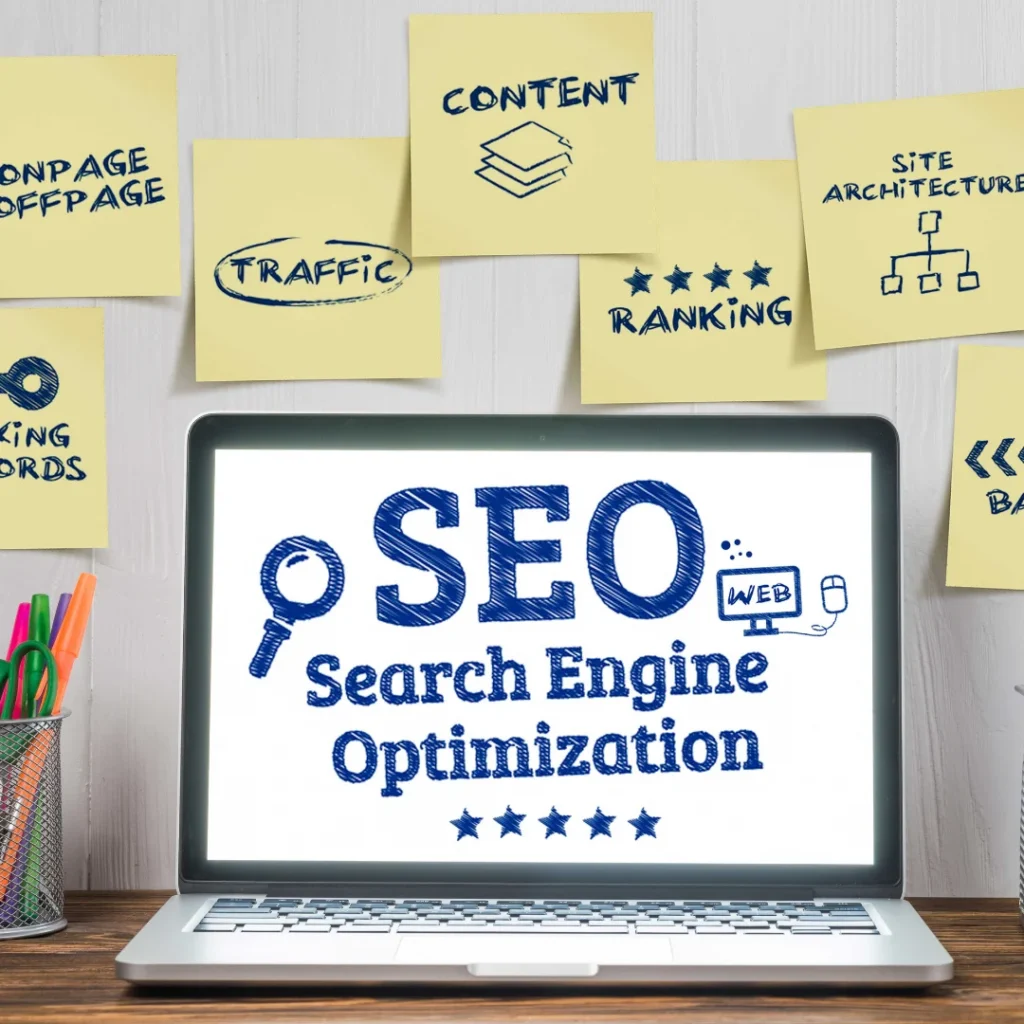
International SEO Strategy for Global Brands An international SEO strategy is essential for any brand expanding beyond its home market. Global SEO helps businesses reach new audiences, build trust, and rank well in different countries. However, expanding internationally is not as simple as translating a website. It requires careful planning across technical, content, and cultural factors. Brands that succeed internationally tend to treat each new market almost like a fresh SEO campaign. They do not simply copy their existing strategy and hope it transfers. Instead, they research, test, and adjust based on what each specific audience responds to best. This guide covers the key building blocks of a strong international SEO strategy. We will explore technical setup, keyword research, content adaptation, and tracking. By the end, you will understand how to approach global SEO with confidence. Expanding into new markets is exciting, but it also introduces new complexity. Search engines like Google treat each country and language as a distinct audience. Therefore, a strategy that works well at home may need significant adjustments abroad. Taking a structured approach from the start helps avoid costly missteps later. Why International SEO Strategy Matters Global brands often assume that a strong domestic SEO strategy will naturally translate overseas. Unfortunately, this rarely happens. Search engines evaluate relevance differently across regions. Local competitors, language nuances, and cultural expectations all affect rankings. Consider a brand that ranks first for its category at home but struggles to appear on the second page abroad. This gap usually is not caused by weak products or poor branding. Instead, it often reflects missing technical signals, unresearched local keywords, or content that simply does not resonate with the new audience. Without a dedicated international SEO strategy, brands risk poor visibility in new markets. This can lead to wasted marketing spend and missed growth opportunities. On the other hand, a well-executed global SEO strategy builds long-term visibility and trust with international audiences. Additionally, search engines reward websites that clearly indicate their target audience. Proper technical setup helps search engines serve the right content to the right users. This foundation supports every other part of your international SEO efforts. Global brands that skip this step often see confusing results. They may rank well in one country but remain invisible in another, despite offering the same products. Understanding the root causes early prevents wasted effort and helps teams focus on the strategies that actually move the needle in each market. Hreflang & Technical Setup for Global SEO Technical setup forms the backbone of any successful international SEO strategy. Hreflang tags tell search engines which language and region each page targets. Without proper hreflang implementation, search engines may show the wrong version of your site to users. Start by deciding on your website structure. Common options include country-specific domains, subdomains, or sub-folders. Each option has trade-offs in terms of cost, control, and SEO impact. Subfolders are often the easiest to manage for mid-sized global brands. Next, implement hreflang tags correctly across all relevant pages. Even small errors can confuse search engines and hurt rankings. Therefore, testing your hreflang setup regularly is essential. Tools are available to help identify and fix implementation issues quickly. Finally, ensure your website loads quickly across all target regions. Slow load times in certain countries can hurt both rankings and user experience. Consider using a content delivery network to improve global site speed. Mobile performance deserves special attention as well. In many international markets, mobile devices account for the majority of web traffic. A site that performs well on desktop but lags on mobile can quietly lose ground to local competitors. Regularly testing your site from different regions and devices helps catch these issues before they affect rankings. Localized Keyword Research for Global SEO Localized keyword research is a critical part of any global SEO strategy. Simply translating your existing keywords rarely works well. Search behavior varies significantly across languages and cultures. Start by researching how people in each target market actually search for your products or services. Local search volume, phrasing, and intent can differ dramatically from your home market. Native speakers or local SEO experts can provide valuable insight here. Additionally, consider regional spelling differences and slang. Even within the same language, countries often use different terms. For example, British and American English include several notable vocabulary differences. Ignoring these nuances can weaken your keyword targeting. Voice search and mobile search patterns can also differ across regions. Some markets rely heavily on voice assistants, which favor longer, conversational phrases. Others still search primarily through short, typed queries. Understanding these habits helps you shape content that matches how people in each market actually search. Once you gather localized keywords, integrate them naturally into your content. Avoid forcing translated keywords that sound unnatural to native speakers. Authentic, well-researched keywords improve both rankings and user engagement. It also helps to study local competitors directly. Reviewing which keywords they target and how they structure their content reveals valuable market insight. This research often uncovers opportunities your home-market strategy would never have surfaced, since search habits and competitive gaps vary so widely between regions. Cultural Content Adaptation for Global SEO Cultural content adaptation goes beyond translation. It means adjusting tone, examples, imagery, and messaging to fit each target audience. What resonates in one country may feel irrelevant or even inappropriate in another. Consider cultural preferences around communication style. Some markets prefer direct, concise messaging. Others respond better to detailed, relationship-focused content. Understanding these differences helps your brand build stronger local trust. Visual elements also matter significantly. Colors, symbols, and imagery carry different meanings across cultures. Reviewing these details carefully can prevent unintended messaging issues. Local marketing consultants often provide helpful guidance in this area. Furthermore, consider local regulations and industry standards. Some markets have specific legal requirements around advertising claims or disclosures. Adapting content to meet these requirements protects your brand and builds credibility. Local case studies and testimonials can also strengthen your content’s relevance. When potential customers see examples from their own […]

Ad optimization, Ad Security, affiliate marketing, AI Adoption, AI Advertising, AI Chatbots, AI Marketing, AI Personalization, AI ROI, AI Search SEO, AI Support, AI Tools, AI Trends, data protection, Data Visualization, Digital Advertising, Digital Marketing, digital transformation, email marketing

How Do You Test AI Ad Creatives Cheaply? Ultimate Guide

AI-Powered Creative Testing Framework Ad performance depends heavily on creative quality. Even the best targeting cannot fix a weak ad. This is why a strong creative testing strategy matters so much today. AI now makes this process faster, cheaper, and far more accurate than traditional methods. This guide introduces a practical AI-powered creative testing framework. It covers how to generate AI ad creatives, test them effectively, and scale the ones that work. Marketers, founders, and growth teams can apply this framework immediately. Whether you manage a small budget or a large one, the same principles apply. Structured testing beats guesswork every time. This framework gives you a repeatable process instead of a one-off experiment. Using AI for Ad Variations Creating multiple ad variations manually takes significant time. Designers and copywriters often struggle to produce enough versions for proper testing. AI changes this equation completely. AI tools can generate dozens of AI ad creatives within minutes. These variations might include different headlines, images, or calls to action. Additionally, AI can adjust tone, length, and format automatically for different platforms. This speed allows marketing teams to test more ideas without expanding their creative team. As a result, campaigns launch faster and testing cycles shorten considerably. Generating AI Variations at Scale Start by defining a strong creative brief. Include your product benefits, target audience, and brand voice. AI tools use this input to generate relevant, on-brand variations quickly. Review each variation before publishing. AI-generated content still benefits from human oversight. Small edits often improve clarity and brand alignment significantly. Keep a simple checklist during review. Confirm accurate claims, correct branding, and appropriate tone for the platform. This quick check prevents embarrassing mistakes from reaching a live campaign. Balancing AI Volume With Quality More variations do not always mean better results. Focus on meaningful differences between versions. Testing five distinct concepts often outperforms testing twenty minor tweaks. Therefore, prioritize variety in messaging over small visual changes. This approach produces clearer insights during the testing phase. Matching Formats to AI Platforms Different platforms favor different formats. Short vertical videos often outperform static images on some networks. Meanwhile, carousel formats work well for product-focused campaigns elsewhere. AI tools can automatically resize and reformat a single concept for multiple platforms. This saves significant production time. It also ensures your AI ad creatives look native on every channel, rather than stretched or cropped awkwardly. Testing Hooks & Angles The opening seconds of an ad determine most of its performance. Strong hooks capture attention immediately. Weak hooks lose viewers before the message even lands. A solid creative testing strategy isolates hooks as a specific testing variable. This means testing different opening lines, questions, or visuals while keeping other elements consistent. Identifying Winning AI Hooks AI tools can analyze past ad performance to identify hook patterns. For example, question-based hooks might outperform statement-based ones for certain audiences. Similarly, urgency-driven hooks might work better for time-sensitive offers. Use these insights to prioritize which hooks to test next. This data-driven approach reduces guesswork significantly. Pay attention to audience-specific patterns as well. A hook that performs well with younger audiences might fall flat with an older demographic. Segmenting your analysis by audience group often uncovers these differences quickly. Testing Different Angles Beyond hooks, test different overall angles. One version might emphasize price savings. Another might highlight convenience or social proof. Meanwhile, a third might focus on solving a specific pain point. Running these angles simultaneously reveals what resonates most with your audience. Consequently, future campaigns can lean into proven angles rather than starting from scratch. Keep a running log of angle performance by audience segment. Patterns often shift between seasons or promotions, so last quarter’s winning angle may need a refresh next quarter. Scaling Winning Creatives Once a creative shows strong performance, scaling becomes the next priority. However, scaling too quickly can sometimes reduce effectiveness. A structured approach prevents this issue. Gradual Budget Increases Increase budget gradually rather than all at once. Sudden spikes can disrupt algorithm learning phases on ad platforms. Instead, raise spend in small increments while monitoring performance closely. This method protects your return on ad spend during the scaling phase. It also gives you time to catch performance dips early. A common approach raises budget by twenty to thirty percent every few days. This pace keeps the algorithm stable while still growing reach steadily over time. Expanding Across Placements Winning creatives often perform well across multiple placements. Test the same AI ad creatives across different platforms and formats. Some creatives may perform better as short videos, while others work well as static images. This cross-platform testing extends the lifespan of a single winning concept. As a result, your team gets more value from each successful creative. Documenting What Makes a Creative Win Before scaling further, document why a creative performed well. Was it the hook, the offer, or the visual style? This analysis helps replicate success in future campaigns rather than relying on luck. Share these findings with your entire creative team. Over time, this shared knowledge base speeds up future ideation and reduces repeated testing of concepts that already failed once. Avoiding Creative Fatigue Even top-performing ads lose effectiveness over time. Audiences see the same creative repeatedly, and engagement drops. This decline is known as creative fatigue. A strong creative testing strategy includes a plan for refreshing content regularly. Waiting until performance drops significantly often means lost revenue during the decline period. Signs of Creative Fatigue Watch for rising costs per result and declining click-through rates. These metrics often signal fatigue before performance collapses completely. Monitoring dashboards weekly helps catch these signals early. Frequency metrics also matter here. When the same audience sees an ad too many times, engagement naturally drops. Setting frequency caps can delay fatigue, but fresh creative remains the most reliable long-term fix. Refreshing Creatives Proactively Use AI to generate fresh variations before fatigue sets in fully. Small changes, like updated visuals or new hooks, can extend a creative’s lifespan. Meanwhile, completely new concepts […]

Scroll to Top