Author name: Harshit.Mishra

AI Chatbots, ai content, AI investment, AI Marketing, Brand Awareness, Brand Markeing, Client Expectations, Content Marketing, Customer Behavior, Customer Engagement, Data Analytics, Digital Marketing, Engagement

How Can You Build Your Personal Brand Today: Ultimate guide

Building a Personal Brand That Generates Business Leads Introduction A strong personal brand does more than build reputation. It generates real business leads. Many professionals now use a clear personal branding strategy to attract clients directly, without relying only on cold outreach. This article walks through a proven approach to building a personal brand that works. You will learn how to position your authority, grow your LinkedIn personal brand, repurpose content efficiently, and convert followers into paying clients. Business owners, consultants, and technical professionals will all find this guide useful. Building a personal brand takes time, but the payoff compounds. Once people trust your name, business conversations become easier and more frequent. Let’s look at how to build that trust step by step. Many professionals wait too long to start. They assume they need more experience or a bigger audience first. In reality, the best time to begin building your personal brand is right now, with the expertise you already have. Authority Positioning Framework Authority positioning starts with clarity. You need a clear answer to one question: what do you help people do? Vague positioning confuses your audience and weakens your personal branding strategy. Choose a specific niche where you have real expertise. Broad positioning like “business consultant” rarely stands out. Instead, narrow your focus to something specific, such as “helping SaaS founders fix churn.” This clarity makes your brand memorable and easy to refer. Consistency across platforms matters too. Your bio, headline, and content should all reinforce the same message. When someone visits your LinkedIn profile after seeing your post, they should see the same story continued, not a different one. Sharing your point of view builds authority faster than sharing generic advice. Bold, well-reasoned opinions attract attention. Meanwhile, generic tips blend into the noise that fills most social feeds. Therefore, aim to teach something specific rather than repeating common knowledge. Case studies and real results also strengthen authority positioning. Numbers and outcomes build trust faster than claims alone. Sharing a client win, even a small one, demonstrates value in a way that pure opinion cannot match. A clear brand voice also supports authority positioning. Whether your tone is direct, warm, or analytical, staying consistent helps people recognize your content instantly, even without seeing your name attached. LinkedIn Content Strategy LinkedIn remains one of the strongest platforms for building a professional personal brand. A clear LinkedIn content strategy turns casual followers into engaged prospects over time. Start with a content pillar system. Choose three or four core topics related to your expertise. Rotate between these topics in your posts. This structure keeps your content focused while still feeling varied to your audience. Storytelling performs well on LinkedIn. Posts that open with a specific moment or challenge tend to earn more engagement than posts that start with abstract advice. For example, a post that begins with a real client problem draws readers in immediately. Posting consistency matters more than posting frequency. Three well-crafted posts each week often outperform daily posts that lack substance. As a result, quality should always come before volume in your LinkedIn content strategy. Engagement extends beyond your own posts. Commenting thoughtfully on other people’s content builds visibility within your industry. This habit introduces your name to new audiences without requiring extra content creation. Similarly, replying to comments on your own posts keeps conversations active and signals that a real person is behind the brand. Profile optimization also supports your content strategy. Your headline should state clearly who you help and how. Your featured section should showcase your best content or case studies. These small details often convert profile visitors into leads. Video content is gaining traction on LinkedIn as well. Short, authentic videos often earn stronger engagement than polished, corporate-style clips. Viewers connect with faces and voices, which builds trust faster than text alone. Content Repurposing for Personal Brand Creating fresh content every day is exhausting and unnecessary. Content repurposing lets you get more value from every piece you create. This approach saves time while keeping your personal brand visible across platforms. Start by identifying your best-performing content. A single strong LinkedIn post can become several other assets. Break it into a short video script, an email newsletter section, or a slide carousel. Each format reaches a slightly different segment of your audience. Long-form content also repurposes well. A detailed article or podcast episode can be broken into smaller quotes and insights. These smaller pieces work perfectly for daily social posts. Consequently, one hour of content creation can fuel weeks of consistent posting. Repurposing also reinforces your key messages. When your audience sees the same core idea presented in different formats, the message sticks. This repetition builds recognition without feeling repetitive, as long as the format and angle change each time. Batch creation makes repurposing easier to manage. Set aside time each month to plan and create core content pieces. Then, spread the repurposed versions across the following weeks. This system keeps your personal brand active, even during busy periods. Tools can also speed up this process. Simple templates for turning a post into a carousel or a script save time each week. Over months, this system becomes a reliable engine that supports your entire personal branding strategy. Converting Followers into Clients Growing an audience means little if it never converts into business. Converting followers into clients requires a clear, intentional path from content to conversation. Calls to action should appear naturally within your content. Avoid a hard sales pitch in every post. Instead, invite readers to comment, share their experience, or send a direct message about a specific challenge. This soft approach feels more natural and builds trust over time. Lead magnets work well for capturing interested followers. A short guide, checklist, or template related to your niche gives people a reason to engage further. In contrast, generic freebies unrelated to your expertise rarely attract qualified leads. Direct messages deserve real attention. When someone reaches out after seeing your content, respond promptly and personally. […]


AI Marketing, content strategy, Digital Marketing, digital marketing for dental, Digital Marketing for Restaurants, digital PR, digital transformation, Email Automation, email marketing, Marketing Automation, Semantic SEO, SEO

How Do Advanced Email Automations Work? Complete Guide

Advanced Email Automation Sequences Email remains one of the strongest marketing channels available today. However, sending random emails no longer works well. Businesses need a smart email automation strategy to stand out. Advanced email funnels help brands guide customers step by step. These funnels nurture leads, respond to behavior, and win back inactive users. Done right, they drive real revenue. This blog covers four key parts of a strong email automation strategy. You will learn how to build sequences that engage readers and grow your business. Marketers at every level, from small teams to large enterprises, can apply these ideas. The goal is simple: send the right message to the right person at the right time. Welcome & Nurture Sequences A welcome sequence is your first chance to impress new subscribers. This series should introduce your brand and set clear expectations. A strong welcome email often gets the highest open rates of any email you send. Start with a short thank-you email. Confirm the subscription and share what readers can expect. For example, mention how often you will send emails and what value they offer. Next, build a nurture sequence around education. Share helpful tips, product guides, or customer stories. This content builds trust before you ask for a sale. Avoid pushing offers too early in the sequence. Timing matters greatly here. Space emails a few days apart to avoid overwhelming new subscribers. Additionally, use simple language and clear calls to action throughout the sequence. Personalization strengthens this process further. Use the subscriber’s name and reference their sign-up source when possible. A tailored welcome sequence often leads to stronger long-term engagement. A strong welcome sequence typically spans three to five emails. The first builds excitement, the middle emails provide value, and the final email introduces a soft offer. This gradual approach feels natural rather than pushy. Segmentation can improve results even further. New subscribers from a webinar may need different content than those from a product page. Tailoring your nurture sequence to sign-up source often increases engagement significantly. Mobile-friendly design deserves attention too. Many subscribers open emails on their phones first. Short paragraphs, clear buttons, and simple layouts help your welcome sequence perform well across every device. Behavioral Triggers Behavioral triggers send emails based on specific actions. This approach makes your email automation strategy far more relevant. Instead of blasting the same message to everyone, you respond to real behavior. Cart abandonment emails are a common example. When a shopper leaves items in their cart, an automated email can remind them to complete the purchase. These emails often include a gentle nudge or a small incentive. Browse abandonment works similarly. If someone views a product but does not add it to their cart, a follow-up email can highlight that item. This keeps your brand visible without feeling pushy. Engagement-based triggers also work well. For instance, you might send a special offer after a subscriber clicks a specific link multiple times. This shows genuine interest, making them a strong candidate for a targeted offer. Setting up these triggers requires reliable automation software. Most modern email platforms support this feature. Once configured, these sequences run automatically, saving time while boosting conversions. Purchase-based triggers extend the relationship beyond the first sale. A follow-up email asking for product feedback, or suggesting a complementary item, keeps customers engaged. This approach often increases repeat purchases over time. Timing plays a critical role in trigger performance. Cart abandonment emails, for example, work best when sent within one to three hours. Waiting too long often means the shopper has already lost interest or bought elsewhere. Milestone triggers offer another creative option. A message celebrating a customer’s one-year anniversary, or a loyalty milestone, adds a personal touch. These small gestures often strengthen long-term brand loyalty. Re-Engagement Campaigns Every email list includes inactive subscribers over time. Re-engagement campaigns aim to win these people back before you remove them. This step protects your sender reputation and improves overall list health. Start by identifying inactive users. Most platforms let you filter subscribers who have not opened or clicked emails within a set period, such as 90 days. This group becomes your re-engagement target. Send a direct message asking if they still want to hear from you. Keep the subject line honest and simple. Phrases like “We miss you” or “Are you still interested?” often perform well. Offering an incentive can help too. A discount code or exclusive content may encourage inactive users to engage again. However, avoid discounting too heavily, as this can hurt your brand value. If subscribers remain inactive after the campaign, consider removing them from your list. This may feel counterintuitive, but it keeps your advanced email funnels efficient. A smaller, engaged list often performs better than a large, inactive one. A well-built re-engagement sequence usually includes two or three emails. The first email checks in casually. If there is no response, the second email can offer an incentive or ask for feedback directly. Sender reputation improves noticeably once inactive subscribers are removed. Internet service providers track engagement closely. A cleaner list often means better inbox placement for every future campaign you send. Timing your re-engagement campaign matters too. Sending it right before a major sale or product launch can give hesitant subscribers a reason to open your email again and stay on your list. Measuring Email Automation & ROI Tracking results is essential for any email automation strategy. Without clear metrics, you cannot know what works. Regular measurement helps you refine your advanced email funnels over time. Start with open rates and click-through rates. These numbers show how well your subject lines and content perform. Low open rates often signal a need to improve subject lines or sender reputation. Conversion rate matters even more. This metric tracks how many recipients complete a desired action, such as making a purchase. Compare conversion rates across different sequences to find your strongest performers. Revenue per email is another valuable metric. This number shows the direct financial impact of your campaigns. […]

AI Marketing, content strategy, Influencer, Influencer Commerce, Marketing Tech, SEO, social meia marketing

How to Build an Influencer Commerce Strategy? : Complete Guide

Influencer Commerce & Affiliate Hybrid Strategy Influencer Commerce has changed a lot in recent years. Brands no longer want just visibility. They want measurable sales results tied directly to every partnership, too. This shift has led to influencer commerce. It blends creator influence with affiliate-style performance tracking. As a result, brands get both reach and real revenue from the same partnership. This blog explains how influencer commerce and affiliate influencer marketing work together. We will cover tracking, commissions, and scaling strategies. By the end, you will know how to build your own hybrid approach that balances authentic content with measurable performance. Why This Shift Matters Right Now Ad costs on major platforms keep climbing every year. Brands need channels that deliver stronger, more trackable returns. Influencer commerce answers this need by tying spend directly to outcomes. At the same time, audiences trust creators more than traditional advertising. A recommendation from a familiar face feels more genuine than a banner ad. This trust translates into higher conversion rates when the partnership is structured well. Why Hybrid Models Work In Influencer Commerce Influencer commerce combines the best of two worlds. Influencers bring trust and audience connection. Affiliate marketing brings measurable, performance-based results. Traditional influencer deals often pay flat fees upfront. However, this does not always guarantee sales. Brands sometimes spend money without clear return on investment. Affiliate influencer marketing solves this problem directly. Influencers earn based on actual sales generated. Therefore, brands only pay for real results, not just exposure. This hybrid model also benefits influencers themselves. Successful promotions lead to higher earnings over time. As a result, influencers stay more motivated to create authentic content. Additionally, hybrid models reduce financial risk for brands. Instead of large upfront payments, spending scales with performance. This makes influencer commerce accessible even for smaller businesses. Consumers also respond well to this approach. Authentic recommendations feel more trustworthy than traditional ads. Consequently, conversion rates often improve with genuine influencer partnerships. Blending Reach With Results for Influencer Commerce Traditional advertising focuses heavily on impressions and visibility. However, impressions alone rarely tell the full story of business impact. Influencer commerce fills this gap by connecting content directly to purchases. This blend also helps brands justify marketing budgets more clearly. Leadership teams want to see revenue tied to spend. A hybrid model provides exactly that kind of clear, defensible reporting. Small and mid-sized brands benefit especially well from this approach. They often cannot afford large upfront influencer fees. Performance-based structures let them compete for attention without excessive financial risk. Tracking Influencer Sales Accurate tracking is essential for influencer commerce success. Without proper tracking, brands cannot measure true performance. This makes payment structures difficult to justify. Unique discount codes are a simple tracking method. Each influencer receives a personalized code. This makes it easy to attribute sales directly to their content. Affiliate links offer another reliable tracking option. These links use cookies to track customer purchases. Consequently, brands can measure clicks, conversions, and revenue accurately. Some brands use dedicated affiliate platforms for deeper insights. These platforms track performance across multiple influencers simultaneously. This data helps identify top-performing partners quickly. UTM parameters also support tracking efforts effectively. Marketers can see exactly which content drives the most traffic. This information helps refine future influencer commerce campaigns. Furthermore, tracking should include post-click behavior, not just clicks. Understanding what happens after a customer clicks matters greatly. This deeper insight improves overall campaign strategy over time. Common Tracking Pitfalls To Avoid Many brands rely on a single tracking method and miss important data. Combining discount codes with affiliate links often paints a fuller picture. Customers behave differently depending on the platform and device they use. Attribution windows also deserve careful attention. A sale that happens three days after a click should still count. Setting tracking windows too short can under-count an influencer’s real contribution to sales. Data privacy rules add another layer of complexity. Some regions restrict how long cookies can track customer behavior. Brands should choose tracking tools that stay compliant across every market they serve. Commission Structures Choosing the right commission structure shapes campaign success. Flat commission rates are the simplest option. Influencers earn a fixed percentage on every sale generated. Tiered commission structures reward top performers more generously. As sales increase, commission rates rise accordingly. This motivates influencers to push harder for better results. Some brands offer hybrid payments instead. This combines a small base fee with performance commissions. Influencers feel secure while still earning more through strong results. Bonus incentives can also boost performance further. Extra rewards for hitting sales milestones encourage consistent effort. Many successful influencer commerce programs use this tactic effectively. It is important to keep commission structures simple and clear. Complicated payment terms can confuse influencers easily. Simple structures build trust and encourage long-term collaboration. Brands should also review commission rates regularly. Market conditions and influencer performance change over time. Adjusting rates keeps partnerships fair and sustainable for everyone involved. Matching Commission Structure To Campaign Goals Different goals call for different commission approaches. A brand launching a new product might prioritize awareness over immediate sales. In that case, a slightly higher flat rate can encourage broader initial promotion. Meanwhile, a brand focused purely on revenue growth may prefer tiered commissions. This structure rewards influencers who consistently drive strong sales numbers. Over time, it naturally shifts spend toward the highest-performing partners. Testing different structures with smaller groups first is a smart approach. This allows brands to see what motivates their specific influencer network. Insights gained here can guide larger, more confident roll-outs later. Scaling Partnerships Once initial campaigns succeed, scaling becomes the next priority. Brands should identify their strongest influencer partnerships first. These relationships often provide the best foundation for growth. Expanding into micro-influencer partnerships can help scale efficiently. Micro-influencers often have highly engaged, niche audiences. Their promotions can feel more personal and trustworthy. Automating parts of the affiliate influencer marketing process supports scaling, too. Platforms can handle tracking, payments, and reporting automatically. This reduces manual work as […]

Attribution Modeling, data-driven marketing, Marketing, Marketing Automation, Marketing ROI, Marketing Strategy, Performance Tracking, SEO Marketing

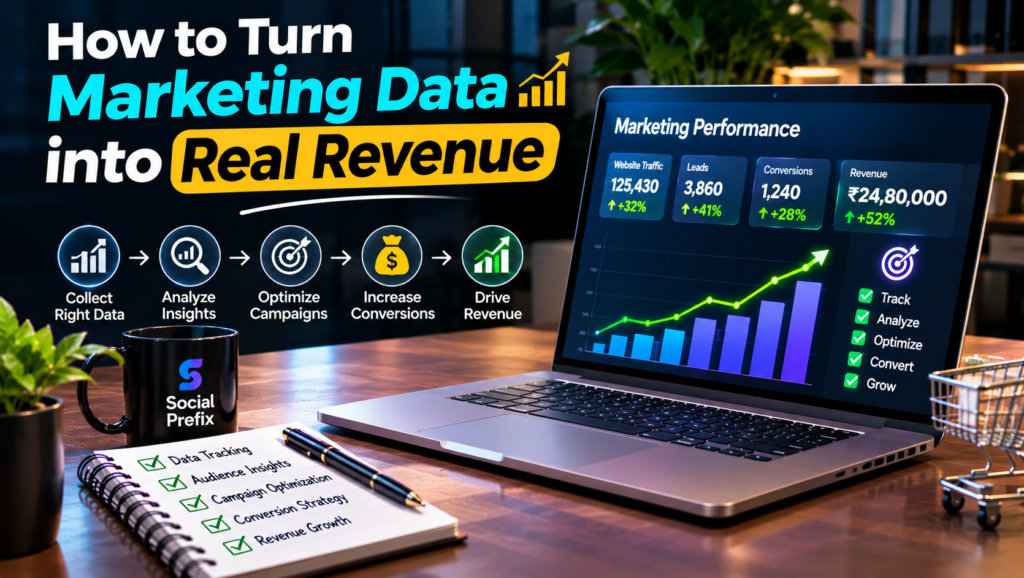
How to Turn Marketing Data into Real Revenue

The modern world of digital marketing is no longer a game of guessing. Instead, success now depends on how well you can turn raw numbers into real profit. By using a smart marketing analytics strategy, you can see exactly what your customers want before they even ask. Consequently, this blog shows you how to use data to fuel your growth in 2026. To achieve this, you must move beyond just looking at charts and start making choices based on facts. Ultimately, this path leads to higher sales and a much stronger brand. Therefore, every business must master the art of data if they want to win. Collecting Actionable Data Not all data is useful for your brand. In fact, having too much information can often lead to confusion. To start, you must focus on collecting data that you can actually use to improve. Specifically, look at how users move through your site and where they choose to leave. In addition, track which social posts lead to the most sign-ups. By doing so, you find the “why” behind every click. Moreover, smart tools now help you clean this data in real time. As a result, you spend less time sorting and more time winning. Clearly, gathering the right facts is the first step toward a better marketing plan. Attribution Models in 2025 Knowing which ad gets the final sale is good, but knowing the whole journey is much better. In the past, many used simple models that only looked at the last click. However, modern marketing analytics strategy now uses multi-touch attribution. This approach gives credit to every step of the path, from the first ad to the final checkout. For example, a lead might see a post on LinkedIn, then a video on YouTube, and finally search for your name on Google. By using these advanced models, you can see which channels are truly worth your money. Thus, you can spend your budget where it helps the most. Predictive Insights The biggest shift in marketing today is the move from looking back to looking forward. Through the use of AI, you can now gain predictive insights into what will happen next. For instance, smart tools can tell you which leads are most likely to buy next week. Furthermore, they can predict when a customer might leave so you can stop them. As a result, you can take action early and save your revenue. In addition, this tech helps you find new groups of people who look like your best buyers. In short, predictive data is like having a crystal ball for your business growth. Building a Data Culture Having the best tools is not enough if your team does not use them. Therefore, you must build a strong data culture within your company. First, ensure that everyone has access to the same clean reports. Second, encourage your team to test their ideas with data rather than just gut feelings. In light of this, every choice becomes smarter and more stable. Moreover, this shared focus leads to faster wins and less wasted time. When everyone understands the marketing analytics strategy, your whole brand moves in the same direction. Ultimately, a data-driven team is a winning team. Frequently Asked Questions 1 Is marketing analytics hard for a small business? No, because many modern tools handle the hard math for you and give you simple answers. 2 Why is attribution so important? This is because it helps you see the hidden value in your ads that do not get the final click. 3 How often should I check my data? You should check your main stats every day, but look for big trends every week. 4 Does data replace creative ideas? On the contrary, data helps you see which creative ideas work the best for your fans. 5 What is the first step to a data culture? Simply start by asking for a data report before making any big new choice. Read More: How to Capture marketing Results with a Proven Funnel How to Find high ticket leads and Scale Fast

Creative Testing, Digital Advertising, Digital Marketing, Full-Funnel Marketing, Marketing Strategy, performance marketing, SEO

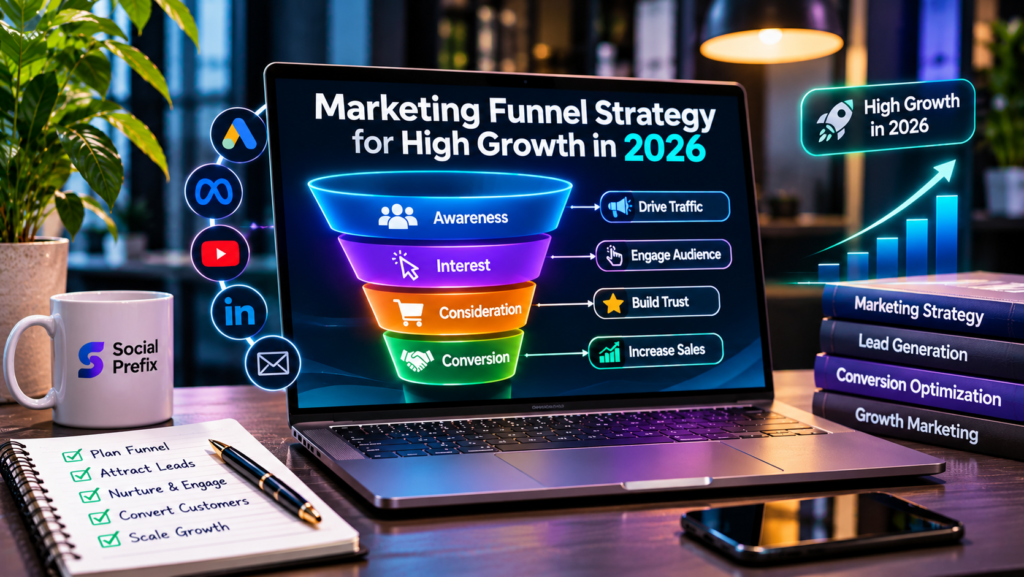
How to Capture marketing Results with a Proven Funnel

The world of digital marketing in 2026 is faster than ever before. Therefore, you must have a clear plan to grow your brand. Scaling to 10X is not just about spending more money. Instead, it is about using a smart system that works at every level. To achieve this, you need a blueprint that handles the data and the creative side at the same time. Consequently, this blog shows you the exact steps to scale your results. By following these rules, you can turn a small budget into a huge success. Ultimately, this is how you dominate your market and stay ahead of others. Full-Funnel Campaign Structure A great marketing plan must cover the whole journey of a buyer. First, you need to find new people who do not know your brand yet. Second, you must nurture those who have seen you but did not buy. In addition, you should focus on your past customers to bring them back. This is because a full-funnel approach ensures that no lead is lost. For example, your top ads should build awareness with a strong message. Subsequently, your middle ads should prove your value with real results. As a result, you build a path that leads every guest toward a sale. Budget Allocation Strategy How you spend your money is just as important as how much you spend. Specifically, you should split your marketing funds into different pools. Initially, put a large part of your budget into your proven winners. At the same time, keep a smaller part for testing new ideas every week. Moreover, you should always have a set amount for retargeting high-intent leads. In light of this, you protect your main revenue while looking for the next big hit. By doing so, you ensure that your growth never stops. Clearly, a balanced budget is the key to safe and fast scaling. Creative Testing Framework In 2026, the best ads are the ones that feel real and fresh. Therefore, you must use a strong framework for testing your creative ideas. Instead of guessing, use data to see what people like. First, test different hooks to see which one grabs the most attention. Next, try different styles of video or images for your marketing messages. Once you find a winner, you can double down on that specific style. Furthermore, this process helps you avoid wasting money on ads that do not work. In short, constant testing is the only way to find the best way to speak to your fans. Scaling Winning Ads After you find an ad that works, it is time to scale it to the max. However, you should not just triple the budget in one day. Rather, increase the spend slowly to keep the results stable. Specifically, watch your data every day to ensure the cost stays low. In fact, you can also scale by reaching new groups of people with the same winning ad. In addition, use your marketing tools to automate these small budget jumps. By following this path, you can reach the 10X goal without breaking your system. Thus, smart scaling leads to long-term profit and fame. Frequently Asked Questions 1 How fast can I scale my marketing? You can start right away, but you should increase your spend by 20% each time to stay safe. 2 Is testing more important than spending? Yes, because testing ensures that your marketing money is only spent on things that work. 3 What if my winning ad stops working? Then, you must go back to your testing framework to find the next fresh idea for your audience. 4 Do I need a big team for this? Not necessarily, as many modern tools can handle the data and the scaling for you automatically. 5 Does this work for all niches? Indeed, every business can use this blueprint to grow their sales and reach. Read More: How to Find high ticket leads and Scale Fast The Best CRO Trends to Follow in 2026

Authority Funnels, B2B Leads Generation, High Ticket Leads, Leads Generation, Leads Generation Framework, Linkedin, Webinar Marketing

How to Find high ticket leads and Scale Fast

Finding premium clients in 2026 is no longer about mass marketing. Instead, service businesses that sell premium offers must focus on precise targeting. This is because selling a high-priced service requires a framework built on trust. To achieve this, you must prove your expertise to attract high ticket leads. Consequently, you should engineer a journey that shows your true value. Furthermore, this blog details the core pillars of the ultimate framework for your brand. By following these steps, you can turn strangers into loyal partners. Therefore, you will grow your business with much less effort. Authority Funnels The base of a good framework is an Authority Funnel. First, this funnel does not sell your service right away. Rather, it sells your knowledge first. When a person wants to spend a large amount, they need to know you are the best. For example, an effective funnel starts with a great piece of content. In particular, you can share a private case study or a unique report. Moreover, this content must offer massive value for free. By being a teacher, you change the way people see you. As a result, your funnel helps you find high ticket leads who already trust your voice. LinkedIn + Paid Ads Strategy To reach the right people, your targeting must be very sharp. In 2026, the best place for professional offers is LinkedIn. Initially, you should build a strong presence with smart posts. Specifically, talk about the problems your clients face every day. Once people know your name, you can use paid ads to grow faster. In addition, you can target specific job titles or company sizes. The goal of these ads is to share your best expert content. Ultimately, this mix of social proof and paid reach is how you find high ticket leads who have the power to say yes. Webinar & Consultation Funnel After you have their attention, you must deepen the bond. Indeed, the most effective way to do this is through a webinar. However, do not run a simple talk that only gives basic facts. Instead, host a workshop that shows your unique method. In fact, show the real results you have gained for others. The main goal of the webinar is to qualify the guest. Subsequently, the call to action is to book a talk. This two-step process ensures you only speak with high ticket leads who are ready to move forward. Thus, it filters out those who are not a good fit for your brand. Retargeting High-Intent Leads The buyer’s journey for expensive services is rarely short. Therefore, you must stay in touch with those who showed interest but did not book. In light of this, smart retargeting helps your plan. In 2026, you should not just show the same ad over and over. Instead, show ads that answer specific worries. For instance, if a lead watched your video but did not call, show them a new testimonial. By doing so, you keep your brand top of mind. Eventually, you can still win over those high ticket leads. Clearly, persistent nurturing is the key to closing big deals. Measuring Success and Growth How do you know if your framework is working well? To find out, you must look past simple clicks and likes. Specifically, track how many people move from your funnel to a real talk. Because high ticket leads are worth much more than a standard lead, even a small number of sign-ups can lead to huge growth. Consequently, you should also monitor your cost per lead. Furthermore, watch how long it takes for a lead to become a client. By checking these stats, you can refine your plan. In short, this data-driven approach ensures you always find the best high ticket leads for your service. Summary of the Framework Building a high-ticket engine takes time and care. First, build your authority with great content. Second, use LinkedIn to find the right audience. Third, use webinars to prove your method. Finally, use retargeting to stay close to your prospects. In summary, this system ensures a steady flow of high ticket leads to your business. Indeed, it turns your marketing into a predictable machine for growth. If you follow these pillars, you will dominate your niche in 2026. Start today and watch your premium client list grow fast. Frequently Asked Questions 1. How is high-ticket marketing different? It focuses on trust and depth rather than just a high volume of clicks. 2. Why do I need a webinar? It allows you to show your method in detail to high ticket leads before you ever get on a call. 3. Is LinkedIn expensive for ads? It can be, but the quality of the leads is much higher than on other social sites. 4. What if they don’t book a call? Then, use retargeting to show them more proof and answer their specific questions over time. 5. How many high ticket leads do I need? Since each client is worth more, you need fewer leads to reach your big goals. Read More: The Best CRO Trends to Follow in 2026 Why programmatic SEO Is the Key to 2026 Growth?

Influencer Marketing

Impact of Influencer Marketing on Branding

 Influencer marketing is a dynamic approach that has revolutionized the way businesses connect with their target audience and build brand awareness. In this blog post, we will look into the impact of influencer marketing on branding, exploring its effectiveness, benefits, and strategies for success. The Power of Influencer Marketing Influencer marketing leverages the authority, credibility, and reach of individuals who possess a dedicated following on social media platforms. These influencers, whether they’re fashion bloggers, fitness enthusiasts, beauty gurus, or lifestyle vloggers, have cultivated a loyal audience that trusts their recommendations and values their opinions. Partner with influencers whose values align with your brand and reach out to your target audience in an authentic and compelling manner. Building Trust and Credibility One of the most significant advantages of influencer marketing is its ability to build trust and credibility with consumers. Unlike traditional advertising, which can often be perceived as intrusive or inauthentic, influencer content feels more organic and genuine. When an influencer promotes a product or service, their audience is more likely to perceive it as a personal recommendation rather than a paid advertisement. This trust translates into higher engagement rates, increased brand loyalty, and ultimately, a positive impact on brand perception. Expanding Reach and Visibility Influencer marketing offers brands access to audiences that they may not have been able to reach through traditional means. With influencers boasting thousands or even millions of followers across various platforms, partnering with the right influencers can significantly expand a brand’s reach and visibility. Whether it’s through sponsored posts, product reviews, or branded content collaborations, influencers have the power to introduce a brand to new audiences, driving traffic to their website, increasing social media followers, and ultimately, boosting sales and revenue. Driving Authentic Engagement Authenticity is the cornerstone of influencer marketing. Unlike traditional advertising, which often relies on scripted messages and polished visuals, influencer content is typically more authentic, relatable, and spontaneous. Influencers have a unique ability to create genuine connections with their audience through storytelling, personal anecdotes, and behind-the-scenes glimpses into their lives. As a result, branded content produced by influencers tends to generate higher levels of engagement, including likes, comments, shares, and click-throughs, which can have a profound impact on brand visibility and recognition. Strategies for Success While influencer marketing can yield remarkable results, it requires careful planning, strategic execution, and ongoing relationship management. To maximize the impact of influencer marketing on branding, businesses should: Influencer marketing has emerged as a powerful tool for brands looking to enhance their visibility, credibility, and engagement in today’s digital landscape. By harnessing the influence of trusted individuals on social media, brands can forge meaningful connections with their target audience, drive authentic engagement, and ultimately, strengthen their brand identity and reputation. As the influence of social media continues to grow, influencer marketing is poised to play an even more significant role in shaping the future of branding and consumer behavior. So, look no further and embrace the wonderful opportunity to engage with your customers through influencer marketing.

Uncategorized

Navigating the Meta Ad Manager: Unveiling Instagram’s Advertising Powerhouse

Advertising has become an essential component of successful marketing strategies in the digital age, where social media platforms reign supreme. Among the various platforms, Instagram stands out as a powerhouse for brands looking to engage their target audience through visually appealing content. To fully realize Instagram’s advertising potential, businesses use the Meta Ad Manager, a powerful tool that streamlines the process of creating and managing ad campaigns on the platform. The Meta Ad Manager, which is part of the larger Meta Business Suite, is the primary tool for creating and optimizing Instagram ads. This user-friendly platform, which can be accessed via a web browser, provides advertisers with a suite of powerful features to help them maximize the impact of their campaigns. When advertisers log into the Meta Ad Manager, they are greeted with a user-friendly interface divided into sections dedicated to various aspects of the ad creation process. Every step, from defining campaign objectives and target demographics to selecting ad placements and budget parameters, is meticulously planned for easy navigation. One of the Meta Ad Manager’s distinguishing features is its advanced targeting capabilities. Advertisers can target their ideal audience based on a variety of criteria, including demographics, interests, behaviors, and even specific interactions with their brand. This precision targeting ensures that advertisements are delivered to those who are most likely to interact with them, maximizing return on investment. Furthermore, the Meta Ad Manager provides a variety of ad formats to suit different marketing objectives. From photo and video ads to carousel ads and immersive experiences like Instagram Stories and Reels, advertisers can select the format that best fits their content and goals. Each format includes its own set of creative specifications and optimization tips, ensuring that ads are both visually appealing and highly effective. In addition to creating new campaigns, the Meta Ad Manager includes comprehensive analytics and reporting tools for monitoring the performance of existing campaigns in real-time. Advertisers can track key metrics like reach, engagement, and conversion rates, enabling data-driven decision-making and ongoing optimization. In conclusion, the Meta Ad Manager is a game changer for businesses looking to maximize Instagram’s advertising potential. With its user-friendly interface, advanced targeting options, diverse ad formats, and robust analytics, this platform enables advertisers to create impactful campaigns that resonate with their target audience and produce results. Whether you’re an experienced marketer or a new advertiser, mastering the Meta Ad Manager is critical to realizing Instagram’s full marketing potential.

Uncategorized

Building a Successful Personal Brand on Social Media

Building a successful personal brand on social media requires a strategic approach that encompasses authenticity, consistency and engagement. First, honesty is paramount. Your brand should reflect your true personality, values ​​and passion. Being honest builds trust and connection with your audience, laying the foundation for long-term engagement. Consistency is equally important. Posting a cohesive aesthetic and messaging regularly helps establish your brand identity and engage your audience. Whether it’s daily updates or weekly news, constant presence demonstrates commitment and trust, key qualities in building a strong personal brand. Engagement is the heartbeat of social media success. Actively engage with your audience by responding, asking questions, and starting conversations. This two-way communication builds relationships, increases loyalty and encourages word-of-mouth marketing. Additionally, engaging with content from other users in your niche can extend your reach and foster collaboration, further strengthening your brand presence. Also, use storytelling to humanize your brand and connect with your audience on a deeper level. Share personal anecdotes, behind-the-scenes bits, and success stories to showcase your journey and values. Storytelling creates an emotional resonance, making your brand memorable and relatable. Also, use different content formats to diversify your brand’s presence and meet different audience preferences. Use video, images, live streams and text to keep your content fresh and engaging. Each format offers unique opportunities for creativity and interaction. Consolidate all efforts, to maintain a single brand image across all social media platforms. A consistent voice, visuals and messaging reinforce your brand identity and create a seamless experience for your audience, no matter where they interact with you. In conclusion, building a successful personal brand on social media requires authenticity, consistency, engagement, storytelling, content diversity and a comprehensive platform. By prioritizing these elements and continually refining your strategy, you can develop a strong and sustainable presence that resonates with your audience and drives your personal and professional goals.

Uncategorized

The Role of Chatbots in Customer Service and Marketing

Chatbots have played a key role in the evolution of customer service and marketing strategies for businesses across industries. These artificial intelligence-enabled chat features are designed to interact with users in real-time, providing instant support and information. The multifaceted functions of chatbots play a vital role in improving customer experience and optimizing marketing efforts. In customer service, chatbots act as efficient first responders, handling frequent and common queries. By automating these repetitive tasks, companies can free up people to focus on more complex, profitable customer interactions. Chatbots are available 24/7, providing customers with timely support, regardless of time or business hours. This access helps improve customer satisfaction and loyalty. Additionally, chatbots excel in customizing interactions based on user preferences and actions. They analyze data to understand customer needs and provide product recommendations or appropriate solutions. This personal touch enhances the customer journey and enhances the relationship between the customer and the brand. Chatbots play an important role in lead generation and training in marketing. Leads can be qualified by having conversations, gathering relevant information, and guiding potential customers through the sales funnel. Chatbots also facilitate targeted marketing campaigns by segmenting audiences and delivering personalized content, promotions and offers. Additionally, chatbots increase customer engagement on social media. They can respond to comments, answer questions, and even start conversations, giving users a seamless and interactive experience. This creative approach to social media helps build brand awareness and loyalty. Integrating chatbots into customer service and marketing strategies is not just a trend but a necessary strategy. As technology continues to evolve, companies using chatbots will be able to compete more effectively by delivering better customer experiences, streamlining operations, and increasing marketing. ROI in the future Chatbots evolve into what they are amazing and capable of handling complex projects in a dynamic environment of customer service and marketing -Has a lot of potential for teams.

Scroll to Top