Automation Tools

Ad optimization, Ad Security, affiliate marketing, AI Adoption, AI Advertising, AI Chatbots, AI Trends, Analytics, Automation Tools, B2B marketing, Brand Visibility, Branding, Business Growth, Business Marketing Strategies, Business Scaling, Business Strategy, Digital Marketing, Marketing ROI, Marketing Strategy, Marketing Tech, Sales Automation, Search Engines, SEO

How Do SaaS Brands Optimize for Google AI Search? Ultimate Guide

Google AI Mode SEO: How Businesses Can Get Discovered in AI Search Search is changing fast. People now ask long questions and get full answers on the results page. Google AI Mode leads this shift. It gives rich, conversational replies and links to a few trusted sources. For businesses, this creates a new question. How do you get picked as one of those sources? This guide explains Google AI Mode SEO in simple words. You will learn how AI search works and what makes a site worth citing. You will also get a clear checklist to act on. What Is Google AI Mode? Google AI Mode is a search experience built on generative AI. You type or speak a question, and it replies with a written answer. The answer often includes links, images, and follow-up ideas. Users can keep asking questions in one long thread. It feels more like a chat than a list of blue links. Behind the scenes, the system breaks a complex question into smaller searches. It runs them at once and then combines what it finds. Google has described this method as query fan-out. The result is a fuller answer than one search could give. Your page may be used for one small part of that answer. This is different from classic results. A ten-link page rewards the best match for one query. AI Mode rewards pages that answer many related needs clearly. Therefore, your content must be helpful across a whole topic, not just one keyword. Google AI search features are still growing, and details change often. Treat any advice as a moving target. Even so, the core ideas stay steady. Clear, useful, trusted content wins. How AI Mode Changes Traditional Search Behaviour Search habits are shifting. People used to type short phrases such as “CRM software.” Now they ask, “Which CRM suits a ten-person online store with a small budget?” These long questions carry rich intent. They show what the buyer needs and how far along they are. Follow-up questions are common too. A user may start with a broad topic and then narrow it in three or four steps. Each step can bring new sources into view. Your brand can appear at any point in that journey. It may also be missed if your content covers only the first step. Many users also read the answer and stop. This can mean fewer clicks for some pages. However, the visits that do happen often come from people who are more informed. They know what they want and arrive closer to a decision. Quality of traffic can matter more than quantity. For businesses, the message is clear. Think about the full customer journey. Answer the first question, the follow-up, and the doubt behind it. AI search optimization starts with understanding real questions. Ranking vs Being Cited in AI Search In classic SEO, you aim for position one. In AI search, you aim to be referenced. A citation is a link inside the AI answer that points to your page. It also builds brand trust, since people see your name next to the answer. The two goals overlap, but they are not the same. A page can rank well and still be skipped by AI Mode. Another page may rank lower and still be cited because it explains one point better. Google has said that strong core SEO remains the foundation. Pages must be indexed and eligible to appear in search snippets. What does this mean in practice? You need pages that give direct, well-structured answers. AI systems look for passages they can quote or summarize with confidence. Clear headings, short paragraphs, and plain language help a lot. Vague and padded pages get passed over. Brand mentions matter as well. Even when users do not click, they see who supplied the answer. Repeat exposure builds familiarity. Later, they may search for your brand by name. That direct search is a very strong buying signal. What Makes a Website More Likely to Be Referenced? No one outside Google knows the exact formula. Still, patterns are visible. Sites that get cited tend to share four traits. Topical Authority Cover your subject deeply, not thinly. Build a cluster of pages around one theme. Link them together in a logical way. For example, a payments firm might publish guides on fees, security, and compliance. Depth signals that you truly know the field. Original Information AI answers already contain common facts. They need fresh value. Share your own data, case studies, surveys, and expert views. Explain what you learned from real projects. Original insight gives Google a reason to cite you instead of a copy. Clear Entities and Relationships Entities are people, brands, products, and places. Make them easy to identify. Use consistent names across your site and profiles. Add structured data, called schema markup, so machines can read your details. Explain how things connect, such as which product solves which problem. Trust and Expertise Trust is the base of everything. Show real authors with clear credentials. Include an about page, contact details, and customer reviews. Cite reliable sources and keep facts current. Strong security, such as HTTPS, supports trust. Google calls this idea E-E-A-T, which stands for experience, expertise, authoritativeness, and trust. How to Optimize Existing Content for AI Search You do not need to start from scratch. Improve your best pages first. Follow these steps. Begin with an audit. List your top pages by traffic and by business value. Check which questions each page answers. Note gaps, weak sections, and outdated facts. This gives you a clear work list. Next, lead with answers. Put a short, direct answer near the top of each section. Follow it with detail and examples. Use question-style headings that match real searches. This format suits both readers and AI systems. Then, add depth and proof. Include numbers, examples, and expert quotes from your own team. Add short FAQs for follow-up questions. Update dates and remove stale claims. Fresh, accurate pages earn more trust. […]
Automation Tools, CRM Automation, email marketing, lead scoring, Marketing Automation, Marketing Strategy, Retargeting ads

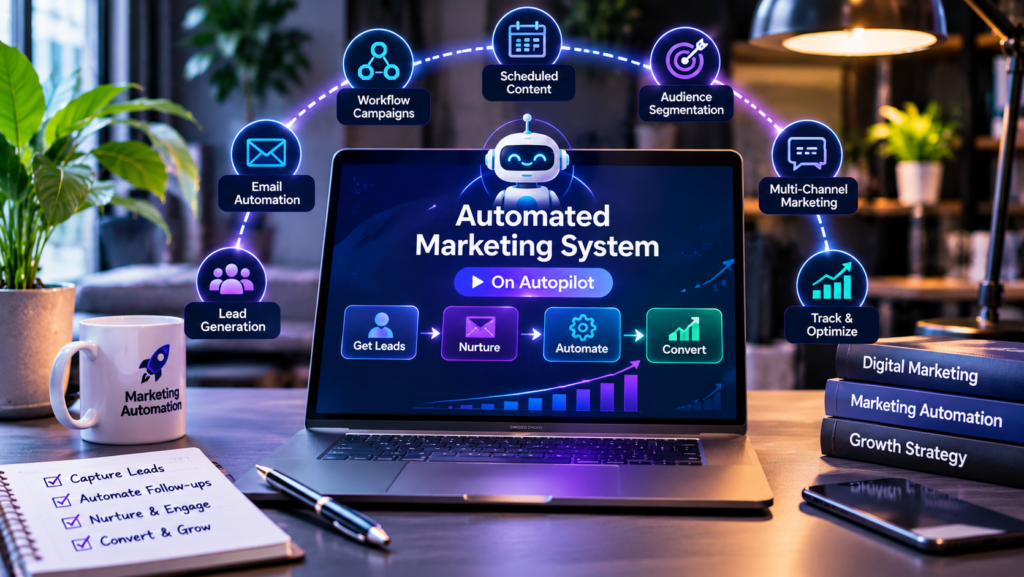
How to Build a Marketing Automation Stack: Complete Guide

Marketing should not require constant manual effort every single day. Many small teams feel stretched thin, juggling emails, leads, and reports. An automated marketing system can change that completely. An automated marketing system connects your tools so they work together automatically. Instead of repeating tasks by hand, your marketing automation stack handles the heavy lifting. This frees your team to focus on strategy and creativity. Building this kind of system takes planning, but it pays off quickly. Once set up, your marketing runs smoothly with far less daily attention. Leads get nurtured, emails get sent, and reports update themselves. Picture a Monday morning where leads from the weekend are already sorted and contacted. No one had to log in over the weekend to make that happen. That is what a well-built automated marketing system delivers consistently. This guide walks through the key pieces of an automated marketing system. You will learn how each part works together to create real autopilot marketing. By the end, you will have a clear path to building your own. CRM and Automation Integration A strong automated marketing system starts with CRM and automation integration. Your customer relationship management tool should connect directly to your marketing automation stack. This connection keeps customer data accurate and up to date everywhere. Without integration, teams often work from separate, disconnected systems. Sales sees one version of a lead while marketing sees another. This disconnect causes missed opportunities and frustrated customers. When your CRM and automation tools talk to each other, information flows automatically. A new lead entering your CRM can trigger an automatic email sequence instantly. No manual data entry is required at any step. This kind of automatic flow eliminates a common source of human error. Forgotten follow-ups and duplicate entries become far less common. Both sales and marketing benefit from cleaner, more reliable data. Integration also improves reporting accuracy significantly. Sales and marketing teams can see the same data in real time. This shared visibility helps both teams make better decisions together. Choosing compatible tools matters greatly during setup. Not every CRM connects easily with every automation platform. Researching integration options before purchasing software saves time and frustration later. Many popular platforms now offer built-in integrations or simple plugins. HubSpot, Salesforce, and similar tools often connect smoothly with common automation systems. Checking compatibility early prevents costly technical headaches down the road. Furthermore, syncing contact records across platforms avoids duplicate work entirely. A single source of truth keeps every team aligned on the same customer history. This consistency becomes more valuable as your contact list grows. Once integrated, your automated marketing system becomes the foundation for everything else. Lead scoring, email flows, and reporting all depend on this connection working properly. Lead Scoring It is a core part of any effective marketing automation stack. It ranks leads based on how likely they are to become customers. This ranking helps your team prioritize effort where it matters most. Without lead scoring, sales teams often waste time on unqualified leads. Every inquiry gets treated the same, regardless of real interest. This approach wastes valuable time and resources. An automated marketing system assigns points based on specific behaviors. Opening emails, visiting pricing pages, or downloading guides all earn points. Higher scores indicate stronger buying intent. A lead who visits your pricing page three times sends a clear signal. That behavior matters more than a single newsletter click. Good scoring models weigh these differences accurately. Demographic information also factors into lead scoring. Job title, company size, and industry can all influence a lead’s score. Combining behavior and demographics creates a more accurate picture overall. Once a lead reaches a certain score, automation can trigger the next step. The system might notify a salesperson or send a more personalized offer. This timing ensures leads receive attention exactly when interest peaks. Lead scoring models need occasional adjustment as your business evolves. What worked last year may not reflect current buyer behavior. Regularly reviewing your scoring criteria keeps the system accurate and effective. Marketing and sales teams should agree on scoring criteria together. This alignment prevents confusion about which leads deserve immediate follow-up. Clear communication between teams strengthens the entire automated marketing system. Without that agreement, sales may ignore leads marketing considers valuable. Shared definitions of a qualified lead remove this friction. Everyone ends up working from the same playbook. Meanwhile, consistent definitions also make reporting more meaningful. Conversion rates only mean something when everyone agrees on what counts as a qualified lead in the first place. Email and Retargeting Flows Email and retargeting flows bring your automated marketing system to life. These flows nurture leads automatically, without requiring constant manual sending. They keep your brand visible throughout the buyer’s journey. Email automation typically begins with a welcome sequence. New subscribers receive a series of helpful, well-timed messages. This sequence introduces your brand and builds trust gradually. From there, behavior-triggered emails take over. A lead who downloads a guide might receive related content automatically. Someone who abandons a cart might receive a gentle reminder shortly after. These triggers feel personal, even though they run automatically. A timely, relevant email rarely feels like spam. It feels like the brand was paying attention at exactly the right moment. Retargeting ads work alongside email flows effectively. These ads follow website visitors across other platforms, reminding them of your brand. Combined with email, retargeting reinforces your message through multiple channels. This multi-channel approach increases the chances of conversion. People rarely buy after a single interaction. Consistent, automated touchpoints keep your brand present until they are ready to decide. Personalization strengthens these flows considerably. Generic messages often get ignored or deleted quickly. Automated systems that personalize content based on behavior tend to perform much better. Timing also matters greatly within email and retargeting flows. Sending too many messages can overwhelm leads and damage trust. A well-built marketing automation stack paces communication thoughtfully, based on real engagement signals. Testing different subject lines and send times improves results further. Small adjustments […]

AI Marketing, AI Support, AI Tools, AI Trends, Automation Tools, Brand Markeing, Content Marketing, Digital Advertising, Digital Marketing, Marketing, Marketing Strategy, Marketing Tech

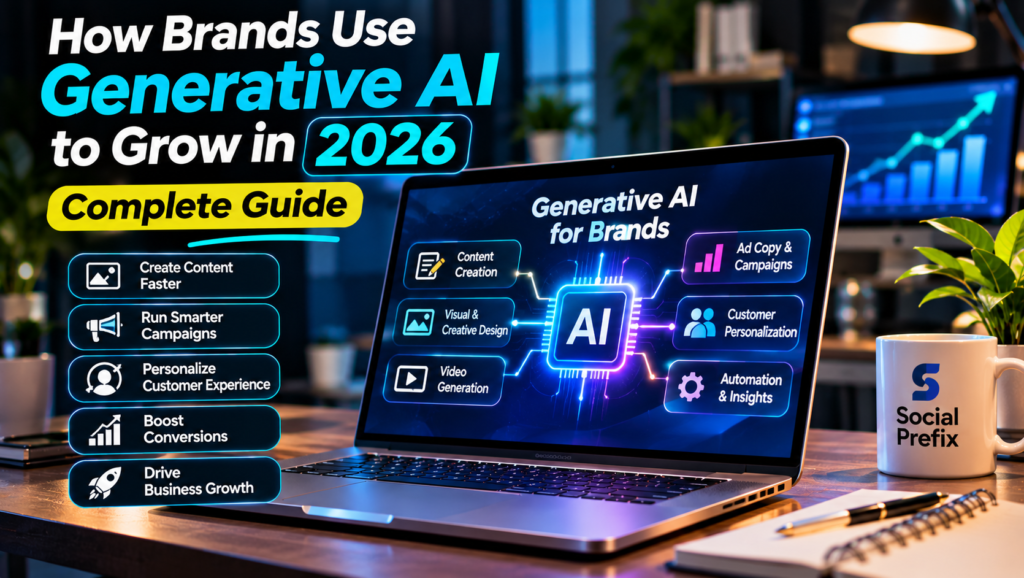
How Brands use Generative AI to Grow in 2026: Complete Guide

The digital marketing world in 2026 is shifting fast. It is no longer just about new tools. Instead, it is a big change in how brands talk to people. Generative AI is now the main engine for all marketing tasks. Because of this, companies can offer experiences that were once impossible. Marketers use generative AI to see deep patterns in how we act. Consequently, they can create content that fits every need right away. This year is also the start of smart systems. These systems do not just follow rules. They work hard to meet specific goals for growth. What Generative AI Means for Brands For brands today, generative AI is a bridge. It connects huge sets of data to real human feelings. Furthermore, it allows for deep personal touches at a very large scale. Manual teams simply cannot keep up with this speed. As a result, every chat with a brand feels special. This is because generative AI can change web pages and emails in real time. Brands also use these tools to guess what a user wants next. Therefore, marketing is no longer just a loud shout to a crowd. It is now a set of quiet, helpful talks. Companies that use generative AI well see much more love from their fans. AI + Human Collaboration Model The best marketing teams in 2026 use a shared model. In this setup, AI and humans work as a single team. First, generative AI does the heavy work. It looks at data and writes the first drafts. It also tests many versions of an ad at once. Meanwhile, human marketers focus on the big plan. They also bring the heart and the brand voice to the work. Although AI can make a thousand ads in a blink, it still needs a human touch. Humans set the rules to keep things fair and safe. This teamwork makes sure every plan is smart but still feels real. Most work now starts with AI ideas that humans turn into art. Risks of Over-Automation However, there are big risks if you use too much automation. Brands must not forget the human side of the job. If you lean too hard on generative AI, the work can feel flat. People call this “AI slop.” This is content that feels like a robot wrote it. Most fans in 2026 can spot this a mile away. If they do, they might stop trusting the brand. Also, AI tools can learn bad habits from old data. This happens if humans do not watch them closely. There is also a risk of losing your way. This occurs when a computer makes every choice. To stay strong, brands must be open about how they use AI. Building an AI-Enhanced Marketing Engine Building a strong engine today needs a clear map. You must link generative AI into every part of your plan. First, get your own data ready. This gives the AI a good base to learn from. Next, start using smart tools for small tasks. These tools can handle ads, lists, and basic notes. After that, focus on groups of content. These should answer the exact questions people ask. It is also vital to keep a human in the loop. This person checks every AI post for quality. They make sure it fits the brand. Finally, teach your team well. Everyone should know how to talk to and lead these new systems. Frequently Asked Questions 1 How does generative AI help with SEO in 2026? It helps sites show up in AI chat results. It does this by giving clear and short answers. 2 Will generative AI take away all marketing jobs? No, it just changes the work. Marketers now lead smart systems instead of doing dull tasks. 3 What is a big mistake to avoid with AI? The biggest error is letting AI do everything. This makes your brand look just like everyone else. 4 Can generative AI create video ads? Yes, it can make custom videos for each user. It can change the music and the script in a flash. 5 How do I keep my AI blog posts feeling human? Use AI for the main facts and the first draft. Then, add your own stories and feelings to finish it. Read More: How to Master web vitals for Better SEO Easily? Is your digital marketing ready for the post-cookie world? How to use cybersecurity to build ultimate customer trust?

AI Marketing, AI Support, AI Tools, Automation Tools, Business Growth, Business Marketing Strategies, Digital Marketing, social media marketing

Can new marketing automation tools give you more free time?

The world of modern marketing moves at a very fast pace every single day. Therefore, many firms struggle to keep up with all their small tasks. Specifically, sending emails or posting on social media takes a lot of time. This can feel very heavy for small teams. However, marketing automation tools offer a powerful solution for everyone. These smart systems handle routine jobs for you. Consequently, your team saves many hours each week. They can then focus on big ideas and creative plans. This shift not only saves time but also boosts your sales. Therefore, using these tools is a vital step for every modern business. Specifically, this guide shows you the best path to success. Automate Your Emails to Win More Fans Email is still a king in the world of online sales. However, sending emails one by one is far too slow. This is where marketing automation tools for email really shine. Specifically, they let you set up a sequence based on what a user does. For example, a new fan gets a welcome note right away. Furthermore, if they look at a price page, they get a follow-up. These systems also track who opens your mail. You can then send more targeted messages. This personal touch makes every customer feel very special. Consequently, it leads to higher open rates and more sales. Therefore, you should automate your mail today. Stay Active on Social Media with Less Effort Posting every day on social media is very important for your brand. Yet, it takes a lot of work to plan every post. Luckily, marketing automation tools can handle this for you. Specifically, you can schedule your posts for the whole month at once. These tools also help you find the best time to share your news. Some even suggest new ideas based on what is popular. By using these tools, you ensure your brand stays visible. This keeps your fans engaged and happy. Consequently, it frees up your team to make even better content. It truly helps you reach more people with less manual work. Score Your Leads to Find the Best Buyers Not every lead is ready to buy from you right now. Some are ready to spend, but others need more time. Marketing automation tools can score these leads for you. For instance, a lead who visits your shop often gets a higher score. You can then send them a special deal to close the sale. High scores might even get a call from your team. In contrast, low scores get more helpful tips to learn about you. This smart plan ensures your team focuses on the best prospects. Therefore, it makes your sales cycle much shorter. It is a powerful way to make your business much smarter. Personalize Your Website for Every Single Visitor Imagine if your website changed for every person who visited. Marketing automation tools can make this dream a real fact. Specifically, they use data to show the right items to the right people. For example, a fan of shoes will see new shoes on your home page. If they have bought from you before, they might see a gift. This personal experience makes your site very fun to use. It also makes it easier for people to find what they want. Consequently, this leads to more clicks and higher sales. It creates a perfect journey for every single user. Check Your Data to Grow Even Faster You cannot fix what you do not track. Marketing automation tools come with very clear reports for you. Specifically, they track every single move your fans make. You can see which emails work best and which posts get the most likes. These facts help you understand your audience much better. They also show you which plans are worth your time. Therefore, you can make smart choices based on real facts. This constant check ensures your work gets better every single day. It turns raw facts into a smart plan for your whole team. FAQs 1 What are marketing automation tools? They are smart apps that do your routine work for you automatically. 2 How do they save me time? They do the boring jobs so you can focus on big ideas. 3 Do they really help me sell more? Yes, they send the right message at the perfect time to your fans. 4 Are these tools hard to learn? No, most are very simple and help you scale very fast. 5 Can a small brand use them? Specifically, they are great for small brands to grow with less staff. Read More: Is scaling with ai chatbots the ultimate ROI hack for 2026? Can scaling with predictive analysis build a better brand? Does a dashboard for scaling unlock your business growth?

Scroll to Top