February 2025

Digital Marketing

Essential Strategies for Digital Marketing Fundamentals

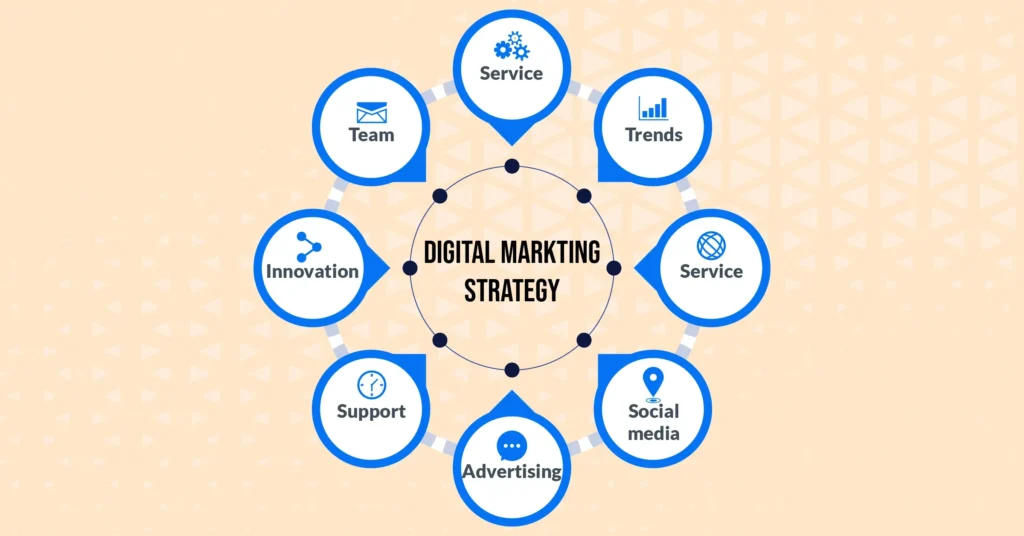
Businesses need a strong online presence to stay competitive in the digital world. Digital marketing helps brands connect with their audience, build credibility, and drive sales. Companies can increase visibility and attract customers by utilizing strategies like SEO, content marketing, social media, and paid advertising. A well-executed digital marketing plan fosters engagement, boosts brand awareness, and enhances revenue. This article explores key digital marketing fundamentals and explains how various strategies contribute to business growth. Understanding these techniques enables businesses to create effective marketing campaigns and stay ahead in an ever-evolving online landscape. Search Engine Optimization (SEO): The Backbone of Digital Visibility Search Engine Optimization (SEO) is the process of optimizing a website to rank higher on search engine results pages (SERPs). A well-optimized website attracts organic traffic, reducing dependency on paid advertisements. SEO can be categorized into three main types: On-Page SEO: This involves optimizing elements within a website, such as content, meta descriptions, title tags, and keyword placement. Proper structuring of headings, URL optimization, and adding internal links also enhance on-page SEO. Off-Page SEO: Building high-quality backlinks from authoritative sites increases domain authority and trustworthiness. Guest blogging, social media engagement, and influencer collaborations contribute to off-page SEO. Technical SEO: Technical SEO involves ensuring a website is mobile-friendly, has fast loading speeds, and is properly indexed by search engines. Proper use of structured data, XML sitemaps, and HTTPS security are critical aspects of this optimization process. A strong SEO strategy helps businesses appear in search results when potential customers look for relevant products or services, leading to higher visibility and engagement. Search Engine Marketing (SEM) & Pay-Per-Click (PPC): Driving Instant Traffic While SEO focuses on organic growth, Search Engine Marketing (SEM) leverages paid advertising to gain visibility quickly. PPC advertising, a subset of SEM, enables businesses to display ads on search engines like Google and Bing. Google Ads: One of the most popular PPC platforms, Google Ads allows businesses to bid on keywords and display targeted advertisements at the top of search results. Bing Ads: Although less competitive than Google, Bing Ads offer similar features and can benefit businesses targeting specific demographics. Social Media Ads: Platforms like Facebook, Instagram, and LinkedIn offer PPC advertising options that help businesses reach their desired audience with precision. PPC campaigns are cost-effective as advertisers only pay when users click on their ads. Well-optimized PPC campaigns can yield high returns by driving relevant traffic to a website. Content Marketing: Engaging and Educating Your Audience Content marketing focuses on creating valuable, relevant, and consistent content to attract and engage an audience. High-quality content establishes trust and positions a brand as an industry leader. Various content formats include: Blog Posts: Informative and SEO-optimized articles that provide value to readers while improving search engine rankings. Infographics: Visually appealing graphics that present data and insights in an easy-to-understand manner. Videos: Engaging video content helps explain complex topics, showcase products, and build brand personality. E-books and Whitepapers: In-depth guides and reports that offer industry insights in exchange for lead generation. Case Studies: Success stories that highlight how a business helped customers solve problems using its products or services. A well-executed content marketing strategy helps businesses attract, engage, and retain customers by providing value rather than directly selling. Social Media Marketing (SMM): Building Relationships and Brand Awareness Social Media Marketing (SMM) involves using social platforms to promote products, engage with customers, and build brand loyalty. Key platforms include: Facebook: A versatile platform for both organic content and paid advertisements. Instagram: Best suited for visually appealing content, influencer collaborations, and brand storytelling. LinkedIn: Ideal for B2B marketing, professional networking, and thought leadership. Twitter (X): Used for real-time updates, customer engagement, and brand interaction. YouTube: A powerful video marketing platform to showcase tutorials, product reviews, and company stories. Successful SMM strategies involve regular posting, audience interaction, influencer collaborations, and paid promotions. Social media enables brands to humanize their identity, fostering deeper connections with their audience. Email Marketing: Personalized Communication for Customer Retention Email marketing remains one of the most cost-effective digital marketing strategies. It helps businesses nurture leads, retain customers, and increase sales. Key email marketing strategies include: Personalized Campaigns: Sending targeted emails based on user preferences and behaviors. Newsletters: Regular updates containing valuable content, promotions, and business insights. Promotional Emails: Time-sensitive offers and discounts designed to drive sales. Automated Sequences: Drip campaigns that send a series of emails based on user actions. Popular email marketing tools, such as Mailchimp, ConvertKit, and Keap, help businesses automate and optimize email campaigns, ensuring higher engagement rates. Affiliate Marketing: Expanding Reach Through Partnerships Affiliate marketing is a performance-based strategy where businesses reward affiliates for driving traffic or sales. This model benefits both parties as affiliates earn a commission for successful referrals, while businesses gain increased visibility. Examples include: Influencers promote products through unique referral links. Bloggers share affiliate links in their content. Companies partnering with content creators to reach a targeted audience. Affiliate marketing is cost-effective, as businesses only pay for actual sales or leads. Thus, it is an attractive strategy for brand expansion. Influencer Marketing: Leveraging Trust for Brand Growth Influencer marketing involves collaborating with individuals who have a strong following on social media or other digital platforms. Businesses work with influencers to promote their products, build credibility, and reach niche audiences. Popular influencer marketing platforms include: Instagram and TikTok for lifestyle and fashion brands. YouTube for in-depth product reviews and tutorials. LinkedIn for B2B collaborations and industry insights. Selecting the right influencer, ensuring alignment with brand values, and maintaining authenticity are critical for a successful influencer marketing campaign. Analytics and Performance Tracking: Measuring Success in Digital Marketing Tracking marketing performance is essential for optimizing campaigns. Tools like Google Analytics, SEMrush, and HubSpot provide valuable insights into: Website traffic and user behavior. Conversion rates and sales performance. Social media engagement and campaign effectiveness. By analyzing key performance indicators (KPIs), businesses can refine their strategies for better results. Conversion Rate Optimization (CRO): Turning Visitors into Customers CRO focuses on improving website elements to enhance conversions. […]
SEO Marketing

Important SEO Changes in 2025 That Will Impact Your Website

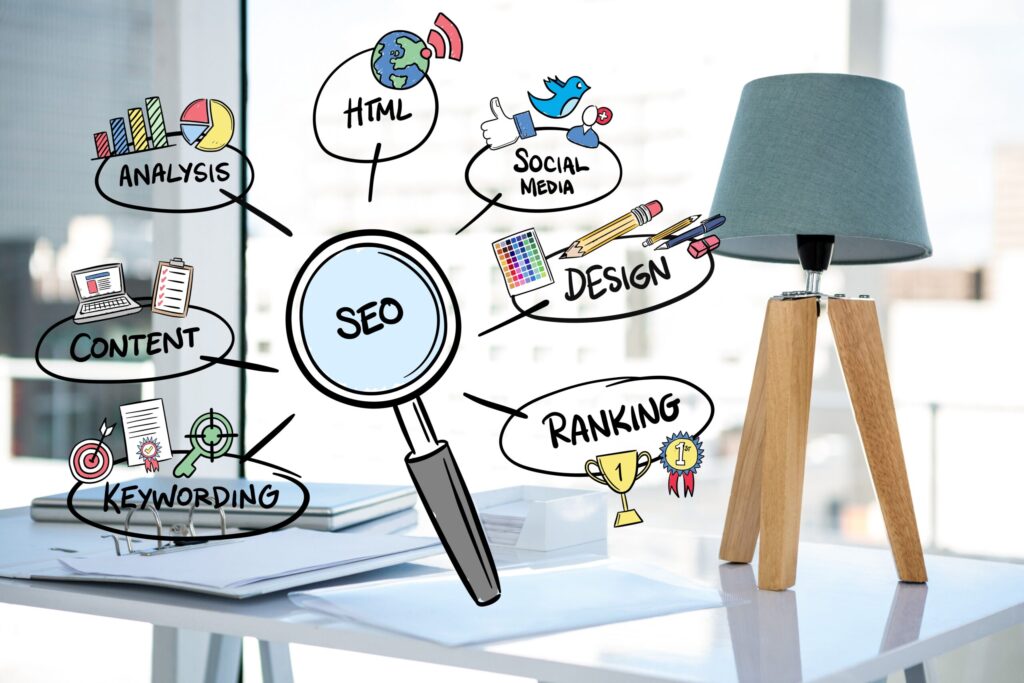
SEO is constantly evolving, and 2025 is set to bring significant changes that will impact how websites rank on search engines. Businesses and website owners need to stay ahead by understanding these changes and adapting their strategies accordingly. Keeping up with SEO trends can mean the difference between maintaining a strong online presence and losing valuable traffic. As search engine algorithms continue to advance, staying informed and implementing the right techniques will be crucial for success. Here are some of the most crucial SEO updates to expect in 2025 and how you can prepare for them. AI-powered search Engine Algorithms Google and other search engines are increasingly relying on artificial intelligence (AI) to refine their algorithms. AI-driven search results mean that search engines can better understand user intent, content quality, and relevance. The introduction of AI in SEO is making it easier for search engines to provide more accurate and personalized search results. Websites with high-quality, valuable content that aligns with user intent will rank higher, while keyword stuffing and outdated SEO techniques will become less effective. How to Adapt:  Focus on creating high-value, informative content that directly answers user queries and provides real value. Optimize for conversational and intent-based searches to align with AI-driven algorithms.  Use AI-powered tools to analyze search trends, user behavior, and keyword strategies to adjust content accordingly. Voice Search Optimization With the rise of smart assistants like Google Assistant, Alexa, and Siri, voice search is becoming more popular. In 2025, optimizing for voice search will be essential for improving rankings. People are increasingly using voice commands to search for information, products, and services, making it crucial for businesses to adapt to this trend. How to Adapt: Use natural, conversational language in your content to match how people speak when using voice search. Optimize for long-tail keywords and question-based queries that align with common voice search phrases.  Improve your website’s loading speed and mobile-friendliness to enhance the user experience on all devices. User Experience (UX) and Core Web Vitals Google’s Core Web Vitals will play an even bigger role in 2025. Websites that offer a seamless user experience, fast load times, and mobile-friendly design will have a competitive advantage. Search engines are prioritizing websites that provide a better overall experience, ensuring users can access the information they need quickly and efficiently. How to Adapt:  Improve page loading speed by compressing images, optimizing code, and using caching techniques to enhance performance.  Ensure mobile responsiveness and a clean, easy-to-navigate design that keeps users engaged.  Reduce intrusive pop-ups and interstitials that disrupt the user experience and cause high bounce rates. Content Quality and E-E-A-T Guidelines Google’s E-E-A-T (Experience, Expertise, Authoritativeness, and Trustworthiness) guidelines will continue to be crucial in determining website rankings. Low-quality, duplicate, or poorly researched content will not perform well in search results. High-quality, informative, and well-structured content will be rewarded with higher visibility in search rankings. How to Adapt:  Publish well-researched, original, and high-authority content that demonstrates expertise in your field. Establish credibility by citing reliable sources, using expert opinions, and showcasing industry knowledge.  Keep content updated to maintain relevance and accuracy, ensuring that outdated information is refreshed regularly. Mobile-First Indexing Google has been prioritizing mobile-first indexing, meaning it primarily uses the mobile version of a website for ranking. By 2025, mobile optimization will be non-negotiable. As more users access websites through mobile devices, ensuring a smooth mobile experience is essential. How to Adapt:  Ensure your website is fully optimized for mobile devices with responsive design and intuitive navigation. Test site performance with Google’s Mobile-Friendly Test tool to identify and fix any mobile usability issues.  Use responsive design to improve usability across different screen sizes and devices, keeping users engaged longer. Featured Snippets and Zero-Click Searches More searches are ending in zero-click results, where users get answers directly from the search page without clicking on a website. Featured snippets will be key to driving traffic in this environment. These snippets provide users with immediate answers, reducing the need for them to visit a website. How to Adapt:  Structure content with clear headings, bullet points, and concise answers to improve readability. Focus on answering common search queries in a direct, informative manner to increase the likelihood of appearing in snippets. Use schema markup to enhance the chances of appearing in featured snippets and provide structured data to search engines. Local SEO and Google My Business Optimization For businesses with a physical presence, local SEO is becoming more competitive. Optimizing for Google My Business (GMB) and local search queries is essential to attract nearby customers. Local search results are crucial for businesses that rely on foot traffic and regional customers. How to Adapt:  Keep Google My Business profiles updated with accurate business details, including location, hours, and contact information. Encourage customer reviews to improve credibility and rankings, as positive feedback enhances visibility in local searches.  Use local keywords in content and metadata to increase relevance for location-based searches. Video SEO and Multimedia Content Video content is dominating the digital landscape, and search engines are increasingly favoring websites with rich multimedia elements. SEO is becoming a crucial factor in ranking as users prefer engaging and visually appealing content. How to Adapt: Optimize video content with keyword-rich titles, descriptions, and tags to improve discoverability. Add transcripts and captions to improve accessibility and searchability, ensuring videos are understood by search engines. Embed videos on your website to increase user engagement and dwell time, signaling value to search engines. Privacy and Data Protection Impacting SEO With increasing concerns about data privacy, search engines are adjusting their algorithms to prioritize secure and privacy-focused websites. Google’s updates will continue favoring sites that respect user privacy and follow regulations. How to Adapt:  Ensure your website uses HTTPS encryption for security to protect user data and build trust. Follow privacy regulations such as GDPR and CCPA to maintain compliance and avoid penalties.  Limit the use of intrusive tracking cookies and pop-ups to provide a better user experience and align with new privacy standards. Artificial Intelligence […]

Digital Marketing

5 Best Practices for Designing and Optimizing High-Converting Landing Pages

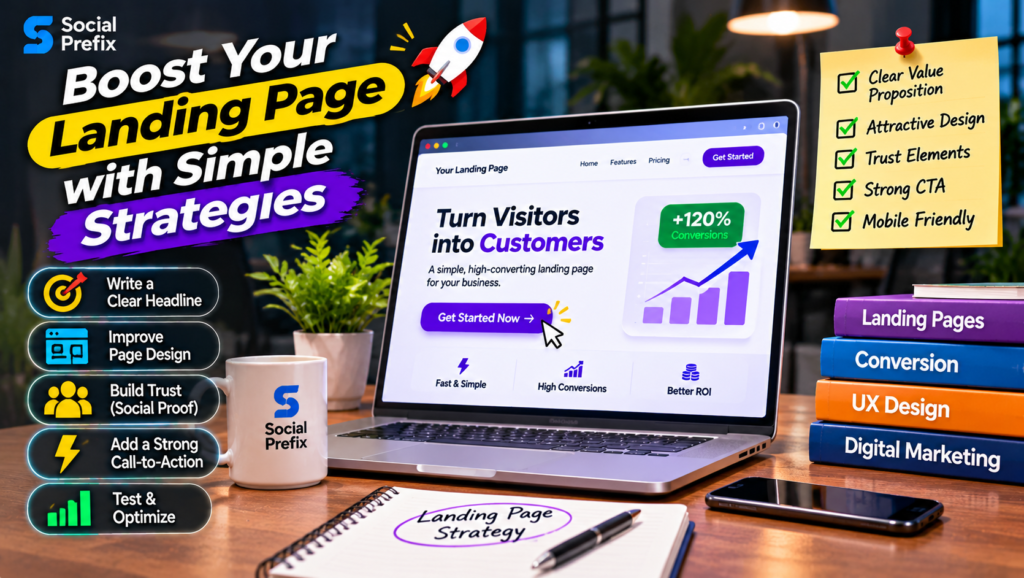
Creating an exceptional landing page is crucial for converting visitors into leads or customers. A well-crafted landing page can significantly enhance your marketing efforts and drive success for your business. Whether you’re running a digital marketing campaign, launching a product, or promoting a service, your landing page plays a critical role in capturing and retaining your audience’s attention. A strong landing page must be optimized not only for conversions but also for user experience. This means ensuring it loads quickly, is easy to navigate, and delivers a clear message that aligns with your target audience’s expectations. Additionally, focusing on search engine optimization (SEO) best practices can enhance visibility and bring in more traffic organically. Here are five best practices for designing and optimizing great landing pages that can help you maximize conversions and grow your business in the Indian market. 5 Best Practices for Designing and Optimizing High-Converting Landing Pages 1. Clear and Compelling Headline Your headline is the first thing visitors will see, so it needs to grab their attention immediately. A clear and compelling headline conveys the main benefit or purpose of the page concisely. It also speaks directly to the visitor’s needs or problems and promises a solution. For instance, instead of a vague headline like “Welcome to Our Site,” opt for something specific and impactful like “Boost Your Sales with Our Cutting-Edge Marketing Tools.” The key is to make your headline customer-centric and result-oriented so that the visitor instantly understands what’s in it for them. Additionally, supporting your headline with a concise subheading that elaborates on the benefit can be highly effective. This helps reinforce the value proposition and encourages visitors to stay on the page longer. 2. Focus on a Single Call to Action (CTA) A landing page should have one primary goal, whether it’s capturing an email address, encouraging a download, or making a sale. Having multiple CTAs can confuse visitors and dilute the effectiveness of your page. Ensure your CTA is prominently displayed and designed to stand out. Use contrasting colors, large fonts, and persuasive language to draw attention. Some effective CTA phrases include: Also, place your CTA strategically preferably above the fold (visible without scrolling), and repeat at the end for reinforcement. Another tactic that can work well is using urgency-driven CTAs like “Limited Offer – Sign Up Today!” to encourage immediate action. 3. Use Engaging Visuals Visual elements can significantly enhance the appeal of your landing page and help communicate your message more effectively. High-quality images, videos, and graphics can illustrate the benefits of your offer and keep visitors engaged. Some ways to optimize visuals: In India, where digital users engage more with visual content, having the right mix of graphics and multimedia can give your landing page an edge. Additionally, adding infographics and explainer videos can further boost engagement and simplify complex ideas. 4. Build Trust with Social Proof Trust is a critical factor in converting visitors on a landing page. Incorporate social proof elements such as testimonials, reviews, case studies, and trust badges to build credibility. Indian consumers tend to rely heavily on reviews and word-of-mouth before making purchasing decisions. Some effective social proof strategies include: This can reassure visitors that others have had a positive experience and that your offer is trustworthy. 5. Optimize for Mobile Devices With an increasing number of users accessing the web via mobile devices, your landing page must be mobile-friendly. According to reports, India has over 750 million smartphone users, making mobile optimization a non-negotiable aspect of landing page design. Here’s how you can ensure mobile-friendliness: Mobile optimization not only improves accessibility but also positively impacts your page’s search engine ranking (SEO), making it easier for potential customers to find you. Ensuring that forms are short and easy to fill on mobile can also significantly improve conversion rates. Why Choose Social Prefix for Your Landing Page Needs? At Social Prefix, we specialize in creating stunning landing pages that capture attention and drive conversions. Our team of experts combines compelling headlines, engaging visuals, and strategic CTAs to build trust and deliver results. We understand the Indian market and the digital behavior of users, ensuring that your landing pages are tailored to the preferences of your target audience. From optimizing load times to ensuring mobile compatibility, we handle every aspect of landing page design to provide a seamless user experience across all platforms. Additionally, we integrate advanced analytics tools to track user behavior, allowing you to make data-driven decisions that further enhance your landing page performance. Ready to elevate your landing pages and boost your business? Contact Social Prefix today and let us help you achieve your marketing goals. Stay Connected with Social Prefix: For the latest updates, tips, and insights on digital marketing, follow us on our social media pages: Facebook: https://www.facebook.com/socialprefix/ Instagram: https://www.instagram.com/socialprefix/ X (Twitter): https://x.com/socialprefix Let’s create high-converting landing pages that work for you!

Scroll to Top