April 2024

Uncategorized

How to Create Effective Facebook Ads for Your Business

Creating good Facebook advertising for your business requires a deliberate combination of creativity, data analysis, and a grasp of your target demographic. Here’s a step-by-step approach for creating attractive Facebook ads that produce results: Define Your Objective: Begin by determining what you want to accomplish with your Facebook advertisements. Clearly state your goal, whether it’s to raise brand awareness, drive website traffic, generate leads, or increase sales. Know Your Audience: Understanding your target audience is essential for developing ads that appeal to them. Facebook’s audience targeting features can help you narrow down your audience based on demographics, interests, habits, and more. Choose eye-catching graphics or videos to capture people’s attention as they scroll through their news feeds. Ensure that your visuals are high-quality and relevant to your message. Create Engaging language: Create simple yet appealing ad language that effectively expresses your value offer. Focus on your audience’s pain areas or desires, as well as the benefits of your product or service. Include a strong call to action (CTA): Encourage users to take action by putting a clear CTA button in your ad. Whether it’s “Shop Now,” “Learn More,” “Sign Up,” or “Contact Us,” your CTA should be relevant to your marketing goal. Experiment with several ad types, such as carousel ads, slideshow ads, or canvas ads, to determine which works best for your company. A/B testing can help you optimize your advertisements for optimal efficiency. Optimize for Mobile: Because a large number of Facebook users access the platform via mobile devices, make sure your advertising is mobile-friendly. Keep your material concise and accessible, and utilize square or vertical styles to increase visibility. Check and Adjust: Use Facebook Advertising Manager to regularly check and adjust the performance of your advertising. Analyze key indicators like click-through rate, conversion rate, and return on ad spend (ROAS) and make modifications to improve your campaigns’ performance By following these steps and constantly refining your approach based on data-driven insights, you can develop great Facebook advertisements that increase engagement, conversions, and, ultimately, business growth.

Uncategorized

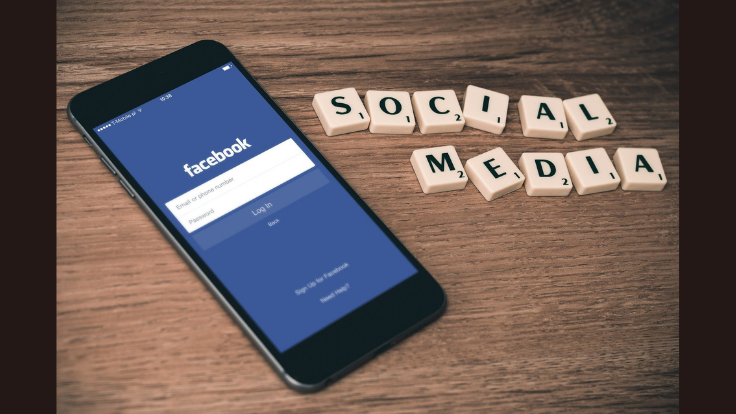
Diversifying Your Social Media Presence: Beyond Facebook and Instagram

Diversifying your social media presence beyond Facebook and Instagram is critical for reaching a larger audience and remaining relevant in a constantly changing digital market. While these platforms continue to be popular, several alternatives appeal to various demographics and interests. Expanding your social media footprint allows you to engage with new audiences, boost traffic to your website, and reinforce your brand identification. One site to investigate is Twitter, which is noted for its real-time updates and short information. It’s a wonderful tool for starting conversations, sharing news, and networking with professionals in your field. Twitter’s character limit favors short, attention-grabbing posts that might elicit important responses. LinkedIn is another valuable site, particularly for organizations and people seeking to develop thought leadership and expand their professional networks. It’s an excellent place to share industry insights, showcase skills through articles and blogs, and network with possible clients or colleagues. Platforms such as Pinterest and TikTok provide unique chances for visual content makers to display their creativity and reach out to niche audiences. Pinterest is a hotspot for inspiration and discovery, so it’s ideal for sharing visually appealing material like infographics, tutorials, and product demonstrations. TikTok, on the other hand, is known for its short-form video content, which allows companies to interact with younger audiences through engaging and entertaining films. Additionally, niche platforms like Reddit and Quora can be valuable for engaging with communities centered around specific interests or topics related to your business. Participating in discussions, answering questions, and providing valuable insights can help establish your expertise and drive traffic back to your website or other social media channels. Finally, expanding your social media presence beyond Facebook and Instagram provides fresh opportunity to reach and engage with a diverse audience. You may broaden your reach, create relationships, and keep ahead of the ever-changing social media landscape by using platforms such as Twitter, LinkedIn, Pinterest, TikTok, Reddit, and Quora. Also Read: Steps to master WhatsApp marketing in 30 days ultimate guide Social media optimization SMO enhancing your online presence The dos and donts of Facebook advertising for social media marketing Maximizing the impact of hashtags on social media marketing

Uncategorized

Harnessing the Power of User Data: Personalization in Social Media Marketing

Harnessing the potential of user data has become a key approach in modern social media marketing. In today’s digital age, where social media platforms function as busy virtual markets, businesses are rapidly discovering the value of personalized marketing in engaging with their audience on a deeper level. By harnessing the massive amounts of user data accessible, marketers can personalize their content and messaging to resonate with individual interests and habits, establishing stronger connections and increasing conversion rates. One of the most significant advantages of using user data for personalization in social media marketing is the ability to give tailored content. Brands may segment their audience into unique cohorts by assessing data such as demographics, interests, browsing history, and previous interactions, and then give them relevant and interesting content. This tailored strategy not only improves the user experience by offering useful and meaningful content, but it also raises conversion rates by presenting users with items or services that are relevant to their interests and requirements. Furthermore, personalization allows organizations to create a highly targeted message that addresses the individual, establishing a sense of connection and authenticity. Whether through personalized advice, bespoke incentives, or tailored communication, brands can demonstrate a deep grasp of their audience, fostering trust and loyalty. In an age where consumers are bombarded with generic marketing messages, personalized content stands out as more genuine and engaging, catching attention and generating interaction. Furthermore, leveraging user data enables organizations to continuously modify and optimize their marketing efforts based on data-driven insights. By regularly monitoring user interactions and evaluating success metrics, marketers may acquire vital insights into what resonates with their target demographic and make educated campaign improvements in the future. This iterative process of testing, measuring, and improving keeps marketing activities current and effective in an ever-changing world. In conclusion, the importance of user data in social media marketing cannot be emphasized. Brands can use data-driven personalization to make more meaningful relationships with their audience, drive higher engagement and conversion rates, and ultimately achieve their marketing goals more successfully in today’s competitive digital marketplace.

Uncategorized

The Rise of Influencer Marketing: How to Leverage Influencers

In today’s digital landscape, influencer marketing has emerged as a powerful strategy for brands looking to connect authentically with their target audience. With the rise of social media platforms, individuals with large followings have emerged as influential figures capable of shaping consumer behavior and preferences. Leveraging these influencers effectively can provide significant benefits to businesses looking to broaden their reach and increase brand visibility. One important aspect of influencer marketing is the ability to form genuine connections with customers. Unlike traditional forms of advertising, influencer content is frequently more personal and relatable, building trust and credibility among followers. Brands can easily endorse their products or services by partnering with influencers whose values align with their own. Moreover, influencers provide access to highly targeted audiences. Influencers can precisely target specific segments of the population based on niche interests, demographics, or geographic location. This targeted approach ensures that marketing efforts are directed to people who are more likely to interact with the brand, resulting in higher conversion rates and ROI. Additionally, influencer marketing allows for creative storytelling. Influencers have the creativity and expertise to create compelling narratives about a brand, product, or service, which makes promotional content more engaging and memorable. Influencers can captivate their audiences and drive organic interest in the brand by sharing visually appealing posts, captivating videos, or authentic testimonials. Furthermore, influencer marketing provides flexibility and scalability. Brands can collaborate with influencers of all sizes, from macro-influencers with millions of followers to micro-influencers with smaller but more engaged audiences. This enables businesses of all sizes to participate in influencer marketing campaigns that are tailored to their specific objectives and budgets. Finally, the rise of influencer marketing opens up new opportunities for brands to connect with consumers in meaningful ways. In today’s competitive digital landscape, businesses can boost their marketing efforts and achieve tangible results by leveraging influencers’ authenticity, targeting capabilities, creative storytelling, and flexibility.

Uncategorized

Navigating the Meta Ad Manager: Unveiling Instagram’s Advertising Powerhouse

Advertising has become an essential component of successful marketing strategies in the digital age, where social media platforms reign supreme. Among the various platforms, Instagram stands out as a powerhouse for brands looking to engage their target audience through visually appealing content. To fully realize Instagram’s advertising potential, businesses use the Meta Ad Manager, a powerful tool that streamlines the process of creating and managing ad campaigns on the platform. The Meta Ad Manager, which is part of the larger Meta Business Suite, is the primary tool for creating and optimizing Instagram ads. This user-friendly platform, which can be accessed via a web browser, provides advertisers with a suite of powerful features to help them maximize the impact of their campaigns. When advertisers log into the Meta Ad Manager, they are greeted with a user-friendly interface divided into sections dedicated to various aspects of the ad creation process. Every step, from defining campaign objectives and target demographics to selecting ad placements and budget parameters, is meticulously planned for easy navigation. One of the Meta Ad Manager’s distinguishing features is its advanced targeting capabilities. Advertisers can target their ideal audience based on a variety of criteria, including demographics, interests, behaviors, and even specific interactions with their brand. This precision targeting ensures that advertisements are delivered to those who are most likely to interact with them, maximizing return on investment. Furthermore, the Meta Ad Manager provides a variety of ad formats to suit different marketing objectives. From photo and video ads to carousel ads and immersive experiences like Instagram Stories and Reels, advertisers can select the format that best fits their content and goals. Each format includes its own set of creative specifications and optimization tips, ensuring that ads are both visually appealing and highly effective. In addition to creating new campaigns, the Meta Ad Manager includes comprehensive analytics and reporting tools for monitoring the performance of existing campaigns in real-time. Advertisers can track key metrics like reach, engagement, and conversion rates, enabling data-driven decision-making and ongoing optimization. In conclusion, the Meta Ad Manager is a game changer for businesses looking to maximize Instagram’s advertising potential. With its user-friendly interface, advanced targeting options, diverse ad formats, and robust analytics, this platform enables advertisers to create impactful campaigns that resonate with their target audience and produce results. Whether you’re an experienced marketer or a new advertiser, mastering the Meta Ad Manager is critical to realizing Instagram’s full marketing potential.

Scroll to Top