
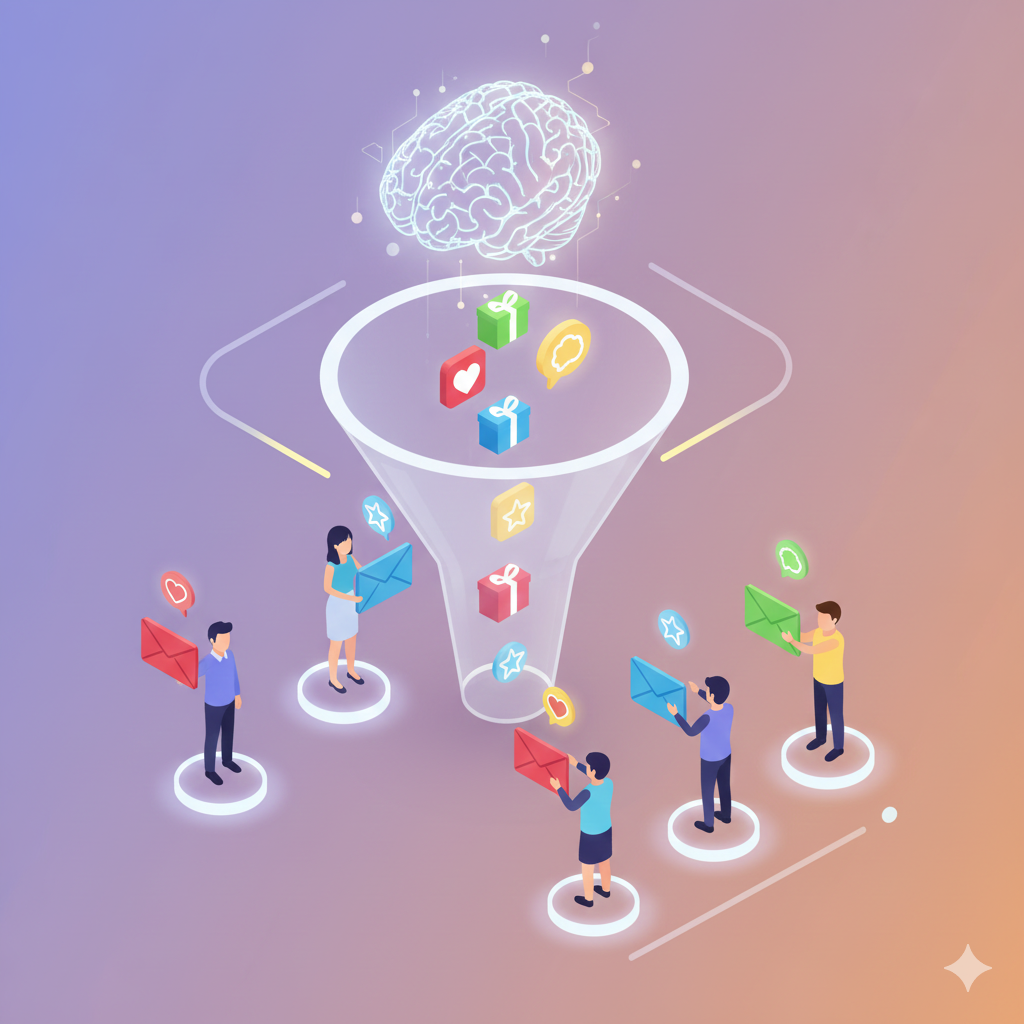
You must treat every customer like a unique person today. Therefore, you should learn how to use personalization in marketing. Truly, sending the same message to everyone no longer works well. Consequently, you can grow your sales by giving people exactly what they want.
Many people think that being personal is too hard or takes too much time. But, the reality is that smart tools make this process very easy. Always remember, happy customers are a strong signal for any search engine. This ensures that your brand stays relevant and your fans stay loyal. This approach requires you to understand your data and act on it. It helps you build a much more valuable business for the long term. It makes your daily ads feel much more helpful and very effective.

Phase 1: Gathering and Using Customer Data
First, you must learn who your customers really are today. Why is data the most important part of your marketing plan? Clearly, you cannot be personal if you do not have any facts. Therefore, you must collect info about what people like and buy.
Ways to Learn About Your Fans
Here are several ways you can gather useful data for your store:
- Track Website Visits: See which pages your fans look at the most.
- Check Purchase History: Look at what people bought from you in the past.
- Use Simple Surveys: Ask your fans what they want to see next.
- Monitor Social Media: See how people talk about your brand online.
- Segment Your Email List: Group people by their age or location today.
- Use Search Engine Data: See what words people use to find you.
- Watch Video Views: Note which topics keep people watching the longest.
Truly, this data allows you to create messages that feel special. But, you must also protect this info with great care and respect. This keeps your fans’ trust and prevents any privacy issues for you. It creates a very professional and high standard for your brand.
Phase 2: Timing Your Message for High Impact
So, how do you know when to send your next big ad? Truly, timing is just as important as the words you use. Consequently, you should use triggers to send messages at the perfect moment. It acts as a digital nudge that helps people make a choice.
Best Times to Reach Out to Customers
Here is how you can time your messages for the best results:
- Welcome Emails: Send a friendly note right after someone signs up.
- Abandoned Carts: Remind people about the items they left behind fast.
- Special Birthdays: Send a gift or a discount on their big day.
- Product Updates: Tell fans when an item they liked is back in stock.
- Post-Purchase Follow-up: Ask for a review a few days after a sale.
- Seasonal Offers: Send ads for warm coats when the weather gets cold.
- Re-engagement Notes: Reach out to fans who have not visited in a month.
Furthermore, this improves your search engine performance by keeping people on your site. It makes your company look very attentive and ready for 2026 challenges. This ensures that your messages arrive when they are most useful to others. It creates a very fast and clear path for your sales growth.
Phase 3: Creating Content That Fits Each Person
The third phase involves making your content match each user. Clearly, a person interested in shoes should not see ads for hats. Therefore, you should use dynamic content to change your site for every fan.
How to Make Content Feel Truly Personal
Firstly, use the person’s name in your emails and on your site. This helps them feel like you are talking only to them. Secondly, show them products that match their past search engine habits.
Furthermore, use different images based on where the person lives today. Also, write your messages in a tone that fits their age and style. Lastly, remember that relevant content helps your search engine authority and trust. Truly, a personal touch is the best way to stand out from the crowd. It allows you to build a bond that keeps people coming back. This is why top brands focus so much on their custom content.
Phase 4: Using AI to Scale Your Efforts
The fourth phase is where you use technology to do the hard work. Clearly, you cannot write a special email for every single person by hand. Therefore, you must use AI tools to manage your personalization in marketing.
How AI Boosts Your Personal Outreach
Firstly, use AI to predict what a person might want to buy next. This helps you stay one step ahead of their needs and wants. Secondly, let the AI pick the best time of day to send an email to each fan.
Furthermore, use bots to answer customer questions in a personal way 24/7. Also, let the AI test different subject lines to see which ones work best. Lastly, check your search engine ranking to see how AI helps your traffic. Truly, technology is your best tool for staying personal at a large scale. It turns a big job into a series of smart, automated wins. This ensures your team stays creative while the machines handle the data.
Best Practices: Testing and Improving Your Plan
Finalizing your plan requires you to look at your results every week. It needs you to see what works and what people do not like. Clearly, you must keep learning to stay successful in a changing world. Therefore, follow these simple tips to keep your marketing fresh and fun.
Simple Tips for Better Personal Results
Firstly, run A/B tests on your messages to see which ones people open. This helps you know if your fans like short notes or long stories. Secondly, ask for feedback to ensure your ads are not becoming annoying.
Furthermore, keep your data clean by removing old or wrong info often. Also, use transition words in your ads to keep them easy to read. Lastly, check your search engine data to see which fans are the most loyal. Truly, great marketing is a journey that leads to a much better brand. It builds a path of value that lets your whole team grow very fast. This secures your future in the digital world for a long time.
Frequently Asked Questions (FAQs)
Q1: Is personalization in marketing expensive?
No, many email and social tools offer basic personal features for a low cost.
Q2: Will people find personalization in marketing creepy?
Not if you are honest and helpful. Always focus on adding value to the customer’s day.
Q3: Does this help my search engine ranking?
Yes, because personal content keeps people on your site longer, which helps your SEO scores.
Q4: What is the first step I should take?
Start by using your customers’ names in your emails and grouping them by their interests.
Q5: How often should I update my customer data?
You should try to keep your data fresh every day by using automated tracking tools.