digital marketing

Ad optimization, Ad Security, AI Tools, AI Trends, Analytics, B2B marketing, B2B Sales, Data Insights, Data Privacy, data protection, Video Funnel, Youtube ads, Youtube ROI, Youtube shorts

How Do You Build a High-Converting Video Funnel? Ultimate Guide

Video Marketing Funnel for 2025 Introduction Video has become the fastest way to earn attention online. Text and images still matter, but video builds trust faster than almost any other format. A well-built video marketing funnel guides a stranger from first view to loyal customer. This matters more in 2025 than ever before, as platforms reward video content with wider reach. In this guide, we will break down a complete video marketing funnel for 2025. You will learn how to structure content for each stage, from first impression to repeat purchase. Along the way, we will focus on practical steps for video lead generation, so your funnel produces real, measurable results instead of just views. By the end, you will have a clear framework you can apply immediately, regardless of your industry or budget size. Awareness Stage Video The awareness stage introduces your brand to people who have never heard of you. At this point, viewers are not ready to buy. They are simply discovering that your business exists. Videos here should educate or entertain, without pushing a hard sales message. Short-form video works especially well at this stage. Platforms favor quick, engaging clips that answer a common question or solve a small problem. For example, a skincare brand might post a fifteen-second video explaining one surprising ingredient benefit. This type of content spreads easily because it feels helpful rather than promotional. Storytelling also plays a major role in awareness videos. People remember stories longer than they remember facts. A brief video showing how your product started, or a relatable customer struggle, creates an emotional connection early in the relationship. This connection makes viewers more receptive to future messages from your brand. Consistency matters just as much as creativity. Posting occasionally will not build lasting awareness. Instead, aim for a regular publishing schedule across platforms where your audience spends time. Over weeks and months, this consistent presence builds familiarity, and familiarity naturally leads to trust. It also helps to repurpose one core idea across multiple formats. A single interview or demonstration can become a short clip, a slightly longer highlight reel, and a full-length video. This approach saves production time while still reaching viewers who prefer different content lengths across different platforms. Consideration Stage Content and it’s Video Once viewers know your brand, the consideration stage helps them evaluate whether your product fits their needs. Here, video content should go deeper than awareness content. Viewers are actively comparing options, so your videos need to answer specific questions. Product demonstration videos perform well during this stage. Showing your product in real use, rather than describing it, helps viewers picture themselves using it. Additionally, comparison videos that honestly address alternatives build credibility. Customers appreciate transparency, and a fair comparison often builds more trust than an overly promotional pitch. Customer testimonial videos are particularly powerful for video lead generation. Hearing a real person describe their experience feels more credible than branded messaging alone. Keep these testimonials specific. A testimonial mentioning an exact result, such as time saved or a measurable improvement, works better than a vague, generic compliment. Educational webinars and longer explainer videos also fit naturally here. Viewers at this stage are willing to spend more time if the content directly addresses their concerns. Therefore, do not shy away from slightly longer formats, as long as every minute adds real value. Finally, consider gating some consideration-stage content behind a simple form. This is where video lead generation becomes measurable. A viewer willing to share their email for deeper content demonstrates genuine interest, giving your sales team a clear signal to follow up. Keep the form itself short. Asking for too much information at this stage can discourage viewers who were otherwise ready to engage. A name and email address is usually enough to start a meaningful follow-up conversation without creating unnecessary friction. Conversion Video Conversion videos exist to move a warm lead toward an actual purchase decision. At this stage, viewers already understand your product. They need a final push of confidence to act. Clear calls to action are essential in conversion videos. Every video should tell viewers exactly what to do next, whether that means starting a free trial, booking a call, or completing a purchase. Ambiguous endings waste the momentum built throughout the funnel. Urgency and social proof both strengthen conversion videos. A limited-time offer, shown briefly and honestly, can encourage faster decisions. Similarly, displaying real numbers, such as customer counts or satisfaction ratings, reassures hesitant buyers that others have made the same choice successfully. Personalized video also performs remarkably well at this stage. A short, direct video addressing a specific lead’s situation, even using their name or company, can significantly increase conversion rates compared to generic content. This approach works particularly well for higher-value products where personal attention influences the final decision. Keep conversion videos short and focused. Unlike awareness content, this is not the place for lengthy storytelling. Viewers already care about your product. Your job now is simply to remove remaining doubt and make the next step obvious. Testing different endings can reveal surprising results. Some audiences respond better to a direct, confident call to action, while others prefer a softer invitation. Running small experiments across your conversion videos helps you identify which approach consistently drives more completed purchases for your specific audience. Retargeting with Video Ads Not every viewer converts on their first visit. Retargeting with video ads recaptures attention from people who showed interest but did not complete a purchase. This stage often delivers the highest return on ad spend within the entire video marketing funnel. Effective retargeting videos should reference the viewer’s previous action indirectly. For example, someone who viewed a specific product page might see a retargeting ad highlighting that exact product’s key benefit. This relevance significantly increases click-through rates compared to generic retargeting ads. Frequency matters here as well. Showing the same retargeting video too often creates fatigue and can damage brand perception. Rotate several video variations, and set reasonable frequency […]

AI Marketing, content strategy, Digital Marketing, digital marketing for dental, Digital Marketing for Restaurants, digital PR, digital transformation, Email Automation, email marketing, Marketing Automation, Semantic SEO, SEO

How Do Advanced Email Automations Work? Complete Guide

Advanced Email Automation Sequences Email remains one of the strongest marketing channels available today. However, sending random emails no longer works well. Businesses need a smart email automation strategy to stand out. Advanced email funnels help brands guide customers step by step. These funnels nurture leads, respond to behavior, and win back inactive users. Done right, they drive real revenue. This blog covers four key parts of a strong email automation strategy. You will learn how to build sequences that engage readers and grow your business. Marketers at every level, from small teams to large enterprises, can apply these ideas. The goal is simple: send the right message to the right person at the right time. Welcome & Nurture Sequences A welcome sequence is your first chance to impress new subscribers. This series should introduce your brand and set clear expectations. A strong welcome email often gets the highest open rates of any email you send. Start with a short thank-you email. Confirm the subscription and share what readers can expect. For example, mention how often you will send emails and what value they offer. Next, build a nurture sequence around education. Share helpful tips, product guides, or customer stories. This content builds trust before you ask for a sale. Avoid pushing offers too early in the sequence. Timing matters greatly here. Space emails a few days apart to avoid overwhelming new subscribers. Additionally, use simple language and clear calls to action throughout the sequence. Personalization strengthens this process further. Use the subscriber’s name and reference their sign-up source when possible. A tailored welcome sequence often leads to stronger long-term engagement. A strong welcome sequence typically spans three to five emails. The first builds excitement, the middle emails provide value, and the final email introduces a soft offer. This gradual approach feels natural rather than pushy. Segmentation can improve results even further. New subscribers from a webinar may need different content than those from a product page. Tailoring your nurture sequence to sign-up source often increases engagement significantly. Mobile-friendly design deserves attention too. Many subscribers open emails on their phones first. Short paragraphs, clear buttons, and simple layouts help your welcome sequence perform well across every device. Behavioral Triggers Behavioral triggers send emails based on specific actions. This approach makes your email automation strategy far more relevant. Instead of blasting the same message to everyone, you respond to real behavior. Cart abandonment emails are a common example. When a shopper leaves items in their cart, an automated email can remind them to complete the purchase. These emails often include a gentle nudge or a small incentive. Browse abandonment works similarly. If someone views a product but does not add it to their cart, a follow-up email can highlight that item. This keeps your brand visible without feeling pushy. Engagement-based triggers also work well. For instance, you might send a special offer after a subscriber clicks a specific link multiple times. This shows genuine interest, making them a strong candidate for a targeted offer. Setting up these triggers requires reliable automation software. Most modern email platforms support this feature. Once configured, these sequences run automatically, saving time while boosting conversions. Purchase-based triggers extend the relationship beyond the first sale. A follow-up email asking for product feedback, or suggesting a complementary item, keeps customers engaged. This approach often increases repeat purchases over time. Timing plays a critical role in trigger performance. Cart abandonment emails, for example, work best when sent within one to three hours. Waiting too long often means the shopper has already lost interest or bought elsewhere. Milestone triggers offer another creative option. A message celebrating a customer’s one-year anniversary, or a loyalty milestone, adds a personal touch. These small gestures often strengthen long-term brand loyalty. Re-Engagement Campaigns Every email list includes inactive subscribers over time. Re-engagement campaigns aim to win these people back before you remove them. This step protects your sender reputation and improves overall list health. Start by identifying inactive users. Most platforms let you filter subscribers who have not opened or clicked emails within a set period, such as 90 days. This group becomes your re-engagement target. Send a direct message asking if they still want to hear from you. Keep the subject line honest and simple. Phrases like “We miss you” or “Are you still interested?” often perform well. Offering an incentive can help too. A discount code or exclusive content may encourage inactive users to engage again. However, avoid discounting too heavily, as this can hurt your brand value. If subscribers remain inactive after the campaign, consider removing them from your list. This may feel counterintuitive, but it keeps your advanced email funnels efficient. A smaller, engaged list often performs better than a large, inactive one. A well-built re-engagement sequence usually includes two or three emails. The first email checks in casually. If there is no response, the second email can offer an incentive or ask for feedback directly. Sender reputation improves noticeably once inactive subscribers are removed. Internet service providers track engagement closely. A cleaner list often means better inbox placement for every future campaign you send. Timing your re-engagement campaign matters too. Sending it right before a major sale or product launch can give hesitant subscribers a reason to open your email again and stay on your list. Measuring Email Automation & ROI Tracking results is essential for any email automation strategy. Without clear metrics, you cannot know what works. Regular measurement helps you refine your advanced email funnels over time. Start with open rates and click-through rates. These numbers show how well your subject lines and content perform. Low open rates often signal a need to improve subject lines or sender reputation. Conversion rate matters even more. This metric tracks how many recipients complete a desired action, such as making a purchase. Compare conversion rates across different sequences to find your strongest performers. Revenue per email is another valuable metric. This number shows the direct financial impact of your campaigns. […]

AI Marketing, Digital Marketing, Local SEO, Marketing, Marketing Tech, SEO Marketing, social media marketing

How Webinar Funnel Strategy Saves Time : A Complete Guide

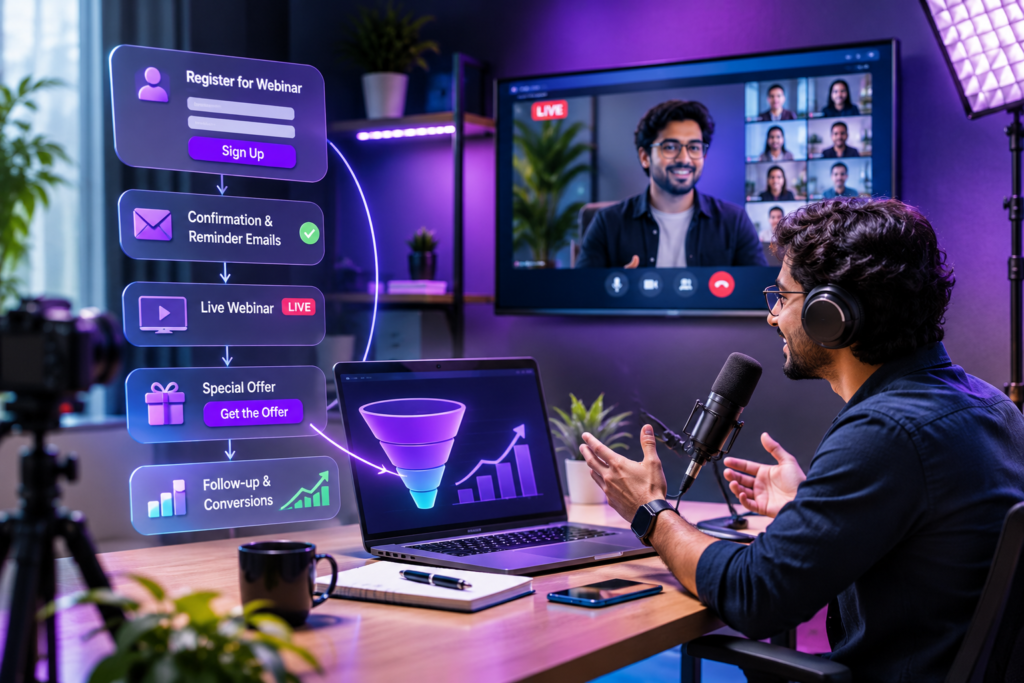
Building High-Converting Webinar Funnels Webinars remain one of the most powerful tools for generating leads. However, a great presentation alone does not guarantee results. You need a solid webinar funnel strategy to turn viewers into paying customers. This article breaks down each stage of that funnel. You will learn how to optimize registration pages for more sign ups. You will also see how email sequences keep attendees engaged. Additionally, we will cover offer strategy and post-webinar automation. By the end, you will have a clear framework for webinar lead generation that actually works. Let’s build a funnel that converts from start to finish. Registration Page Optimization Your registration page is the first impression of your webinar funnel strategy. A weak page loses potential leads before the webinar even starts. Therefore, clarity and simplicity matter more than fancy design elements. Start with a headline that states the clear benefit of attending. Visitors should instantly understand what problem your webinar solves. For example, focus on outcomes rather than generic topic descriptions. This approach improves both clicks and sign ups. Additionally, keep your registration form short. Asking for too much information reduces conversion rates significantly. Name and email are often enough at this stage. As a result, more visitors complete the sign-up process. Social proof also strengthens registration pages. Testimonials, attendee counts, or client logos build instant credibility. Similarly, a countdown timer can create healthy urgency. These small elements often boost webinar lead generation considerably. Email Reminder Sequences Registration is only the first step in a strong webinar funnel strategy. Many people forget to attend live sessions without proper reminders. Therefore, a well-planned email sequence is essential. Send a confirmation email immediately after sign-up. This email should restate the date, time, and key benefit clearly. Meanwhile, follow up with a reminder email a day before the event. Another reminder an hour before further reduces no-shows. In addition, use these emails to build anticipation. Share a quick tip or teaser related to your webinar topic. This keeps subscribers engaged between sign-up and the live session. Consequently, attendance rates improve noticeably. For attendees who miss the live session, send a replay email quickly. This keeps your webinar lead generation funnel active even after the event ends. Some leads convert better through a relaxed, on-demand viewing experience. Webinar Offer Strategy The offer you present during your webinar directly impacts conversions. A vague or rushed pitch weakens even the best presentations. Instead, structure your offer with clear value and clear next steps. Present your offer only after delivering genuine value first. Attendees should feel they learned something useful before any sales pitch begins. This builds trust and makes the offer feel earned, not forced. Furthermore, keep your offer simple and specific. Confusing pricing or too many options can overwhelm potential buyers. A clear call to action, repeated a few times, works better than complex choices. Limited-time bonuses often boost conversions as well. For example, offering a discount only for live attendees rewards engagement. This tactic strengthens your overall webinar funnel strategy while respecting audience trust. Post-Webinar Sales Automation Your webinar funnel strategy should not end when the live session closes. Post-webinar automation keeps momentum going without constant manual effort. This stage often determines your final conversion numbers. Set up automated emails for both buyers and non-buyers. Buyers should receive on boarding information and next steps immediately. Non-buyers should receive a short, value-focused follow-up sequence instead. Additionally, consider re-targeting ads for attendees who did not convert. These reminders reinforce your message across different platforms. As a result, some leads return and complete their purchase later. Tracking performance data closes the loop on your webinar funnel strategy. Review registration rates, attendance rates, and conversion rates after each webinar. This data reveals exactly where improvements are needed most. Conclusion Building high-converting webinar funnels requires attention at every single stage. A strong registration page brings in qualified leads efficiently. Email reminder sequences keep those leads engaged and ready to attend. A clear offer strategy then turns attendees into paying customers. Finally, post-webinar automation captures additional sales after the event ends. Together, these elements create a complete webinar funnel strategy built for consistent results. Businesses that refine each stage will see stronger webinar lead generation over time. Frequently Asked Questions 1. What makes a webinar funnel strategy effective? An effective strategy optimizes every stage, from registration and reminders to the offer and post-webinar follow-up automation. 2. How can I improve webinar lead generation on my registration page? Use a clear benefit-driven headline, a short sign-up form, and social proof to increase completed registrations. 3. How many reminder emails should I send before a webinar? Most successful funnels use three emails: a confirmation, a day-before reminder, and a final reminder shortly before the event. 4. When should I present my offer during a webinar? Present your offer after delivering valuable content first, so attendees feel informed before seeing your call to action. 5. What happens after the webinar ends in a strong funnel? Post-webinar automation sends follow-up emails and re-targeting ads, helping convert attendees who did not purchase immediately. Also Read: How to Use GA4 Attribution Models Correctly How to Build an Enterprise SEO Strategy: Complete Guide

AI Marketing, AI Support, AI Tools, AI Trends, Automation Tools, Brand Markeing, Content Marketing, Digital Advertising, Digital Marketing, Marketing, Marketing Strategy, Marketing Tech

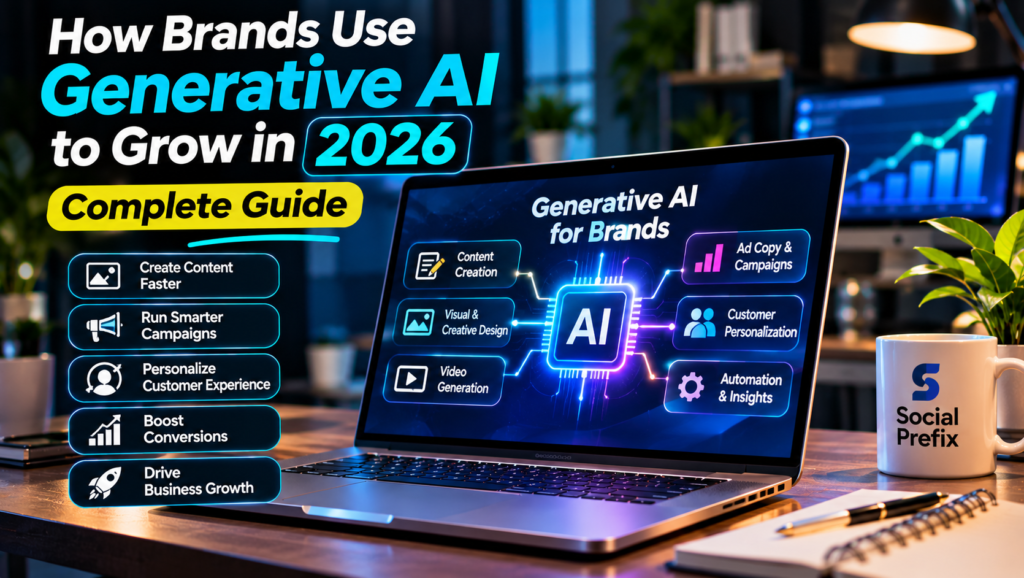
How Brands use Generative AI to Grow in 2026: Complete Guide

The digital marketing world in 2026 is shifting fast. It is no longer just about new tools. Instead, it is a big change in how brands talk to people. Generative AI is now the main engine for all marketing tasks. Because of this, companies can offer experiences that were once impossible. Marketers use generative AI to see deep patterns in how we act. Consequently, they can create content that fits every need right away. This year is also the start of smart systems. These systems do not just follow rules. They work hard to meet specific goals for growth. What Generative AI Means for Brands For brands today, generative AI is a bridge. It connects huge sets of data to real human feelings. Furthermore, it allows for deep personal touches at a very large scale. Manual teams simply cannot keep up with this speed. As a result, every chat with a brand feels special. This is because generative AI can change web pages and emails in real time. Brands also use these tools to guess what a user wants next. Therefore, marketing is no longer just a loud shout to a crowd. It is now a set of quiet, helpful talks. Companies that use generative AI well see much more love from their fans. AI + Human Collaboration Model The best marketing teams in 2026 use a shared model. In this setup, AI and humans work as a single team. First, generative AI does the heavy work. It looks at data and writes the first drafts. It also tests many versions of an ad at once. Meanwhile, human marketers focus on the big plan. They also bring the heart and the brand voice to the work. Although AI can make a thousand ads in a blink, it still needs a human touch. Humans set the rules to keep things fair and safe. This teamwork makes sure every plan is smart but still feels real. Most work now starts with AI ideas that humans turn into art. Risks of Over-Automation However, there are big risks if you use too much automation. Brands must not forget the human side of the job. If you lean too hard on generative AI, the work can feel flat. People call this “AI slop.” This is content that feels like a robot wrote it. Most fans in 2026 can spot this a mile away. If they do, they might stop trusting the brand. Also, AI tools can learn bad habits from old data. This happens if humans do not watch them closely. There is also a risk of losing your way. This occurs when a computer makes every choice. To stay strong, brands must be open about how they use AI. Building an AI-Enhanced Marketing Engine Building a strong engine today needs a clear map. You must link generative AI into every part of your plan. First, get your own data ready. This gives the AI a good base to learn from. Next, start using smart tools for small tasks. These tools can handle ads, lists, and basic notes. After that, focus on groups of content. These should answer the exact questions people ask. It is also vital to keep a human in the loop. This person checks every AI post for quality. They make sure it fits the brand. Finally, teach your team well. Everyone should know how to talk to and lead these new systems. Frequently Asked Questions 1 How does generative AI help with SEO in 2026? It helps sites show up in AI chat results. It does this by giving clear and short answers. 2 Will generative AI take away all marketing jobs? No, it just changes the work. Marketers now lead smart systems instead of doing dull tasks. 3 What is a big mistake to avoid with AI? The biggest error is letting AI do everything. This makes your brand look just like everyone else. 4 Can generative AI create video ads? Yes, it can make custom videos for each user. It can change the music and the script in a flash. 5 How do I keep my AI blog posts feeling human? Use AI for the main facts and the first draft. Then, add your own stories and feelings to finish it. Read More: How to Master web vitals for Better SEO Easily? Is your digital marketing ready for the post-cookie world? How to use cybersecurity to build ultimate customer trust?

AI Advertising, AI Marketing, AI Support, AI Tools, AI Trends, Audience Engagement, Branding, Business Growth, Digital Marketing

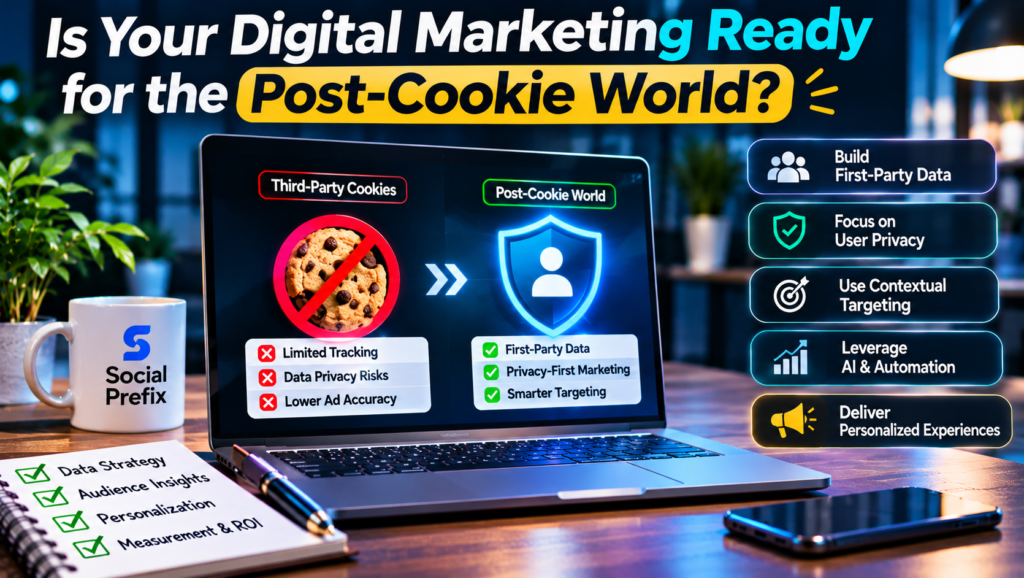
Is your digital marketing ready for the post-cookie world?

The digital world is evolving at a lightning speed that few could have predicted just a years ago. We are now living in a time where traditional ads are no longer enough to win over a modern audience. Specifically, the tools and trends of today define who will lead the market tomorrow. Therefore, staying ahead with the latest digital marketing trends is a vital step for every ambitious brand. This shift ensures your business remains relevant and profitable in a very crowded space. It is not just about posting content anymore. In fact, it is about building a smart and automated engine for your brand name. Consequently, a professional lead helps you build a future-proof plan for your success. You will see a clear gain by following this deep and strategic lead into the next era. The Rise of Hyper Personalization Through AI Many firms believe that sending a single email to all fans is still a good path. However, the future of digital marketing relies on a very custom touch for every single user. First, smart systems now track every click and habit to offer a perfect match. Specifically, this means your fans only see what they truly want to buy. Furthermore, finding a way to talk to millions as if they are one human is the new gold standard. You also gain a lead when your messages arrive at the exact moment a user is ready. Similarly, a primary goal of a smart campaign ensures your data is used for good. This puts your growth on a steady path for a long time. In contrast, making a safe choice early on helps you save money and time. Why Voice and Visual Search are the New Frontiers The journey to the top begins when you look past the standard text box. At this stage, more people use their voice and images to find what they need online. These new habits must act as your top guide for a steady digital marketing strategy. Specifically, optimizing for voice search means talking to your users in a natural and easy way. They are built to spark fast progress by matching how humans actually act every day. You should also know that a visual search tool offers more than just a simple look. While a text link might get a click, a visual match builds a very deep bond. Furthermore, it moves firms past the fear of being lost in a sea of basic search results. The Impact of Private and Safe Data Worlds As a firm’s tech grows, a safe and private lead helps you find more fans. At this stage, the focus on digital marketing builds a very strong bond with your audience’s trust. This plan is specific to what the modern user likes and expects from a safe brand. For example, some might feel safer sharing their info if they know it stays in a closed and secure loop. The timing of these moves is very key for your success in a world with no cookies. Furthermore, a safe leader handles all your privacy rules and data facts with ease. This ensures your project plan is solid from the very first step of the journey. Such smart timing helps firms move toward a big global win. Indeed, the right plan reveals who is truly ready. Immersive Experiences in the New Virtual Market Data is the backbone of all smart and safe growth today. The way you handle digital marketing in virtual spaces tracks how every user acts with your brand. This includes how they move in 3D worlds or use AR to try on new items. These facts help refine the paths for every single user group you serve. Therefore, the system learns and grows over time to serve your audience better. This data-driven path ensures the best results for your whole firm. It also prevents any bad risks from hurting your digital brand name. Smart leadership relies on real facts to win every single time. Your technical focus is too important to risk at any step today. Turning Real Time Data into a Sustainable Edge You cannot fix what you do not track in a fast world. A smart digital marketing engine comes with very clear reports and live facts for you. Specifically, it tracks every single move your users make across every channel. You can see which features work best and what needs a fix right now. These facts help you understand your whole audience much better than before. They also show you which plans are worth your time and which ones are a waste of cash. Therefore, you can make safe and smart choices based on real expert facts. This constant check ensures your work gets better every single day. Indeed, the right partnership reveals who is truly ready for a global win. FAQs 1 What is the future of digital marketing in 2026? Specifically, it is about using AI to create a very personal and fast experience for every user. 2 Will AI replace marketing teams? No, but it will handle the boring tasks so your team can focus on real creative work. 3 How does voice search affect my site? It means you must use shorter sentences and natural words to match how people talk. 4 Is data privacy a risk for my growth? Indeed, it is a challenge, but building trust with a safe system is the best way to win. 5 What is the best way to scale now? The best way is to join your digital marketing with smart automation and real-time data. Read More: How to use cybersecurity to build ultimate customer trust? Can new marketing automation tools give you more free time? Is scaling with ai chatbots the ultimate ROI hack for 2026?

Ad Security, Brand Protection, Cyber Security, Data Privacy, Digital Marketing, Tech Security

How to use cybersecurity to build ultimate customer trust?

In today’s connected world, your digital presence is your most valuable asset. However, hackers and bots constantly look for a way to break into your systems. Specifically, a single breach can ruin years of hard work and trust with your fans. Therefore, focusing on cybersecurity is a vital step for every marketing team. This shift ensures your ads, data, and brand name stay safe 24/7. It is not just a technical task for IT staff anymore. In fact, it is a core part of your brand strategy today. Consequently, a smart move helps you build a strong wall around your business. You will see a clear gain by following this safe and professional lead. Why Your Marketing Data is a Top Target Many firms think that hackers only want bank facts or passwords. Yet, marketing data is often more valuable on the dark web. First, your customer lists contain emails and habits that are easy to sell. Specifically, poor cybersecurity can lead to identity theft for your loyal fans. Furthermore, finding a leak early is rare for most small brands today. Similarly, a strong focus on cybersecurity ensures your lead lists do not fall into the wrong hands. This puts your growth on a steady path for a long time. In contrast, making a safe move early on helps you win more trust. Securing Your Social Media and Ad Accounts The journey to the top begins when you lock down your social channels. At this stage, you might wonder how a simple post can cause a crash. These tools must act as your top gatekeepers on a steady basis. Specifically, cybersecurity means using two-factor checks on every single account you own. They are built to spark fast progress without the fear of a hack. You should also know that a safe system offers more than just a strong password. While a solo human might forget a check, smart cybersecurity guides the whole flow. Furthermore, it moves firms past the fear of losing their ad spend to bots. Protecting Your Website from Malicious Attacks After you join the digital world, the goal shifts to keeping your site live. One of the top wins of expert help is getting a secure site for your users. The reality of modern cybersecurity then delivers a very safe plan for your firm. This path matches what you need to keep your shop or blog running fast. Therefore, if a visitor clicks a link, they stay safe from bad scripts. You also gain access to a very diverse and deep set of firewalls. This includes SSL certificates and very deep digital security through smart systems. Access to these skills keeps all your users very happy and safe. How Safe Systems Drive Better Customer Trust As a firm’s tech grows, a safe lead helps you find new fans. At this stage, the focus on cybersecurity builds a very strong bond with your audience. This plan is specific to what the modern user likes and expects. For example, some might feel safer sharing their info with a brand that shows a trust seal. The timing of these moves is very key for your success. Furthermore, a safe leader handles all your data and privacy rules with ease. This ensures your project plan is solid from the very first step. Such smart timing helps firms move toward a big global win. Indeed, the right cybersecurity reveals who is truly ready for the future. FAQs 1 What is the role of cybersecurity in marketing? It protects your customer data and your brand’s social media accounts from hackers. 2 How can a breach hurt my brand? Specifically, it can lead to a loss of trust, legal fees, and a drop in sales. 3 Is a strong password enough? No, you should also use two-factor checks and keep your software updated. 4 Can bots affect my ad budget? Yes, without cybersecurity, bots can click your ads and waste your money. 5 Why is data privacy so important now? Indeed, users care about their facts more than ever, and laws are getting stricter. Read More: Can new marketing automation tools give you more free time? Is scaling with ai chatbots the ultimate ROI hack for 2026? Can scaling with predictive analysis build a better brand?

AI Marketing, AI Support, AI Tools, Automation Tools, Business Growth, Business Marketing Strategies, Digital Marketing, social media marketing

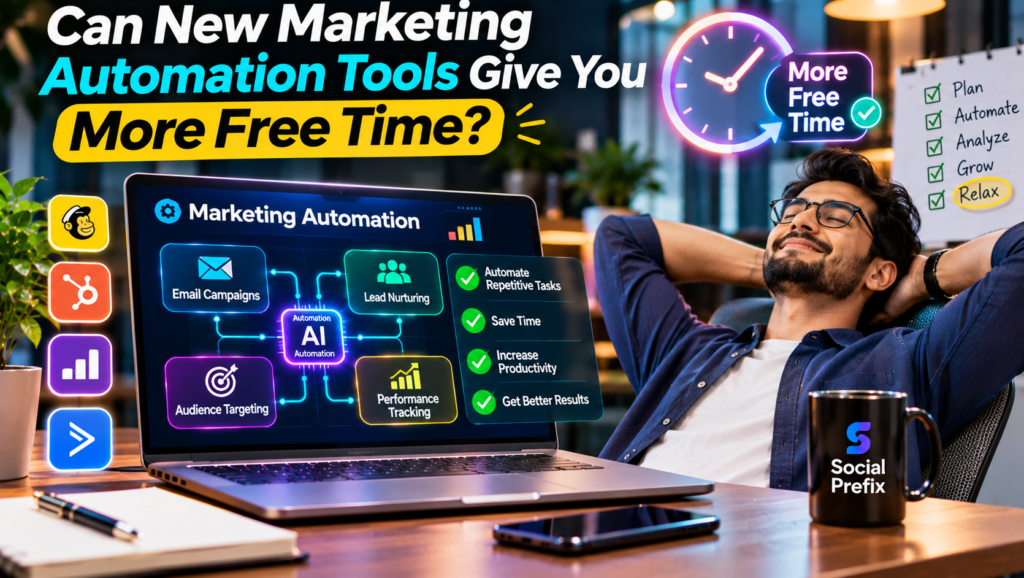
Can new marketing automation tools give you more free time?

The world of modern marketing moves at a very fast pace every single day. Therefore, many firms struggle to keep up with all their small tasks. Specifically, sending emails or posting on social media takes a lot of time. This can feel very heavy for small teams. However, marketing automation tools offer a powerful solution for everyone. These smart systems handle routine jobs for you. Consequently, your team saves many hours each week. They can then focus on big ideas and creative plans. This shift not only saves time but also boosts your sales. Therefore, using these tools is a vital step for every modern business. Specifically, this guide shows you the best path to success. Automate Your Emails to Win More Fans Email is still a king in the world of online sales. However, sending emails one by one is far too slow. This is where marketing automation tools for email really shine. Specifically, they let you set up a sequence based on what a user does. For example, a new fan gets a welcome note right away. Furthermore, if they look at a price page, they get a follow-up. These systems also track who opens your mail. You can then send more targeted messages. This personal touch makes every customer feel very special. Consequently, it leads to higher open rates and more sales. Therefore, you should automate your mail today. Stay Active on Social Media with Less Effort Posting every day on social media is very important for your brand. Yet, it takes a lot of work to plan every post. Luckily, marketing automation tools can handle this for you. Specifically, you can schedule your posts for the whole month at once. These tools also help you find the best time to share your news. Some even suggest new ideas based on what is popular. By using these tools, you ensure your brand stays visible. This keeps your fans engaged and happy. Consequently, it frees up your team to make even better content. It truly helps you reach more people with less manual work. Score Your Leads to Find the Best Buyers Not every lead is ready to buy from you right now. Some are ready to spend, but others need more time. Marketing automation tools can score these leads for you. For instance, a lead who visits your shop often gets a higher score. You can then send them a special deal to close the sale. High scores might even get a call from your team. In contrast, low scores get more helpful tips to learn about you. This smart plan ensures your team focuses on the best prospects. Therefore, it makes your sales cycle much shorter. It is a powerful way to make your business much smarter. Personalize Your Website for Every Single Visitor Imagine if your website changed for every person who visited. Marketing automation tools can make this dream a real fact. Specifically, they use data to show the right items to the right people. For example, a fan of shoes will see new shoes on your home page. If they have bought from you before, they might see a gift. This personal experience makes your site very fun to use. It also makes it easier for people to find what they want. Consequently, this leads to more clicks and higher sales. It creates a perfect journey for every single user. Check Your Data to Grow Even Faster You cannot fix what you do not track. Marketing automation tools come with very clear reports for you. Specifically, they track every single move your fans make. You can see which emails work best and which posts get the most likes. These facts help you understand your audience much better. They also show you which plans are worth your time. Therefore, you can make smart choices based on real facts. This constant check ensures your work gets better every single day. It turns raw facts into a smart plan for your whole team. FAQs 1 What are marketing automation tools? They are smart apps that do your routine work for you automatically. 2 How do they save me time? They do the boring jobs so you can focus on big ideas. 3 Do they really help me sell more? Yes, they send the right message at the perfect time to your fans. 4 Are these tools hard to learn? No, most are very simple and help you scale very fast. 5 Can a small brand use them? Specifically, they are great for small brands to grow with less staff. Read More: Is scaling with ai chatbots the ultimate ROI hack for 2026? Can scaling with predictive analysis build a better brand? Does a dashboard for scaling unlock your business growth?

Brand Trust, Business Growth, Data Analytics, Data Visualization, Digital Marketing, Marketing dashboard, Performance Tracking

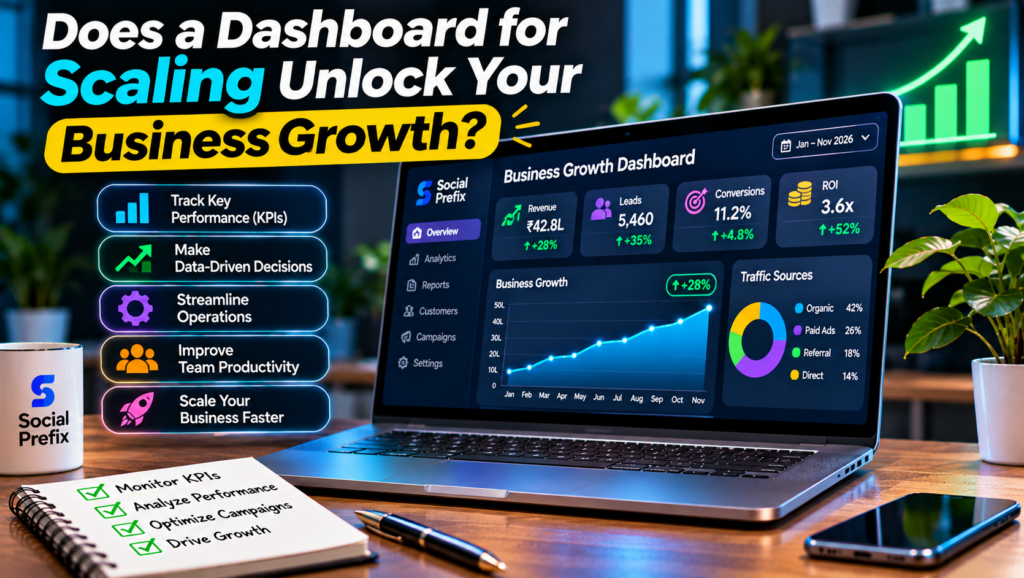
Does a dashboard for scaling unlock your business growth?

In today’s fast-paced digital world, businesses need the right tools to thrive. Many owners struggle to track their online success accurately. However, there is a simple solution to this common problem. Because of this, every company should use a central hub for their data. Specifically, a digital marketing dashboard is a game-changer for growth. It offers clear views, better insights, and a professional way to work. This move is not just a trend. In fact, it is a smart investment. Consequently, why every business needs a digital marketing dashboard is a vital topic for you. You will see a clear return on investment with this powerful tool. The Limitations of Manual Data Tracking Tracking data by hand is very hard for any business. However, many teams still try to do it every day. First, manual tracking often leads to big mistakes. Specifically, a simple error in a sheet can ruin your whole plan. Furthermore, manual work takes up too much of your time. You also miss out on real-time updates. Similarly, viewing different sites one by one is very slow. This puts your business growth at a halt. In contrast, a digital marketing dashboard solves all these issues. Why every business needs a digital marketing dashboard highlights these critical gaps. Indeed, it is a necessary step for serious operations. Real-Time Insights at Your Fingertips A digital marketing dashboard offers a live view of your data. It includes stats from ads, social media, and your website. Additionally, you get instant updates on how your campaigns perform. All these metrics work together seamlessly. Therefore, your team can make fast choices from anywhere. For example, you can stop a bad ad right away. Data saves automatically to the cloud. Thus, you never lose sight of your goals. Why every business needs a digital marketing dashboard shows how to unlock this power. It truly boosts team productivity every day. Better Budget Control and Spending Managing a budget is a major concern for any business. Manual tracking often hides where your money goes. A digital marketing dashboard, however, provides advanced clarity. For example, it shows which ads bring in the most cash. It also tracks your cost per click. You also get admin controls for your budget. This allows you to manage spending across all platforms. For instance, you can move funds to the best ads. Plus, you get a clear view of your ROI. This keeps your business safe from wasting money. Why every business needs a digital marketing dashboard focuses on this peace of mind. Your money and time are too important to risk. Enhancing Team Collaboration and Trust Sharing data with your team makes your business look professional. Imagine a single screen that everyone can see. This builds trust with your staff and partners. Similarly, it reinforces your brand goals. A digital marketing dashboard makes sharing this data very easy. For instance, you can create custom views for different roles. Consequently, this presents a unified front to the world. Why every business needs a digital marketing dashboard helps you elevate your brand. Indeed, clear communication truly matters in the business world. ROI Example 1: Saving Valuable Time Let’s look at a small team of 5 people. Each person wastes 30 minutes a day on data tasks. This includes finding stats or making manual reports. This totals 2.5 hours lost per day. Over a month, that is 50 hours. If an employee’s wage is $20 per hour, that is $1,000 lost monthly. With a digital marketing dashboard, data collection is automatic. For example, live charts and smart alerts cut down wasted time by half. Therefore, you save $500 per month. Why every business needs a digital marketing dashboard proves the ROI is clear. ROI Example 2: Preventing Costly Ad Mistakes A bad ad campaign can cost a small business thousands. In fact, it can even lead to total failure. Studies show average waste in ads is very high. Imagine a bad ad costs your business $5,000. A digital marketing dashboard’s live alerts reduce this risk greatly. By seeing the data early, you protect against huge losses. This is like having a guard for your wallet. Furthermore, the peace of mind is worth it. Why every business needs a digital marketing dashboard protects your assets. It is a smart move for your future. ROI Example 3: Fast Scaling and Growth As your business grows, your data needs change. A digital marketing dashboard scales with you. For instance, you can easily add new data sources. Similarly, your views can expand as needed. New features roll out regularly. This ensures your tools stay modern. Therefore, you will not outgrow your system. This long-term thinking saves money and effort. Consequently, you avoid changing tools later. Why every business needs a digital marketing dashboard is about smooth growth. It sets a strong foundation for future success. Finding the Right Dashboard for You Choosing the right tool is a strategic decision. It is about more than just numbers. It is about speed, clarity, and professional growth. The clear ROI examples show its value. Small businesses that use a dashboard gain a competitive edge. Therefore, they work smarter and not harder. They protect their cash and build trust. Why every business needs a digital marketing dashboard is the path to your full potential. Make the switch today and watch your business thrive. FAQs 1 Why should I use a dashboard if I have Google Analytics? A dashboard combines many tools into one view. Therefore, you see the whole picture in one place. 2 Is it hard to set up a marketing dashboard? No, most modern tools are very simple to use. Consequently, you can start seeing data in minutes. 3 Will a dashboard save my business money? Yes, it helps you find and stop wasteful spending. Thus, your budget works much harder for you. 4 Can my whole team use the same dashboard? Yes, you can share access with everyone on your team. For instance, it keeps everyone on […]

Brand Markeing, content strategy, Digital Marketing, E-commerce, Engagement, Influencer Marketing, Leads Generation, Search Engines, SEO Marketing, Strategies

How to Master Voice Search Optimization Today

Voice search is no longer a futuristic concept; it is happening now. More and more people are using voice assistants like Siri, Google Assistant, and Alexa to find information, shop, and interact with the world. This shift means businesses must adapt their online strategies. Voice Search Optimization is key to staying visible and relevant. If your business isn’t prepared, you risk being left behind in this next wave of digital interaction. Understanding how voice search works and how to optimize for it is crucial for future success. The Rise of Voice Search Voice search has grown rapidly. Smart speakers are everywhere. Smartphones offer voice commands. This makes voice search a part of daily life. People use it for quick answers. They ask about weather, directions, and local businesses. This trend will only get stronger. As technology improves, so will voice assistant accuracy. This means more users will rely on their voices. Businesses must recognize this shift. They need to understand how people speak when searching. This is vital for effective Voice Search Optimization. It ensures your business can be found. How Voice Search Differs from Text Search Voice search is different from typing. When people type, they use short keywords. “Best pizza,” for example. When they speak, they use natural language. “Where is the best pizza near me?” This difference is huge. Voice searches are often longer. They are more like questions. They include natural phrases. This affects how you optimize. You need to think about how people talk. Your content must answer specific questions. This natural language focus is central to Voice Search Optimization. It moves beyond simple keywords. Voice Search Optimization for Conversational Queries To optimize for voice search, focus on natural language. Think about common questions related to your business. Create content that directly answers these. Use a conversational tone in your writing. Include long-tail keywords. These are longer, more specific phrases. For example, instead of just “car repair,” use “where can I get my car repaired quickly in my area?” Structure your content with headings. Use FAQs (Frequently Asked Questions) sections. This makes it easier for voice assistants to find answers. This approach is fundamental for successful Voice Search Optimization. It helps your content be heard. Local SEO and Voice Search Optimization Local search is extremely important for voice queries. Many people use voice search to find businesses nearby. “Find a coffee shop near me.” “What’s the best barber in town?” This means your local SEO needs to be perfect. Ensure your Google My Business profile is complete. Verify your address, phone number, and opening hours. Get positive customer reviews. These details are vital for voice assistants. They use this information to recommend local businesses. Strong local SEO is a critical component of Voice Search Optimization. It connects spoken queries to your physical location. The Future of Voice and Your Business Voice search is still evolving. It will become even more sophisticated. Voice assistants will integrate deeper into daily tasks. They will handle complex transactions. They will manage appointments. This means businesses must stay current. Continually update your website. Adapt to new voice search trends. Consider integrating voice commands into your own apps or services. Preparing now gives you a competitive edge. It positions your business for future growth. Embracing Voice Search Optimization today means you are ready for tomorrow’s digital landscape. Frequently Asked Questions (FAQs) 1 What is the main difference in how people use voice search versus text search? People use natural, conversational language for voice search. They use shorter, more fragmented keywords for text search. 2 Why is local SEO so important for voice search? Many voice searches are for nearby businesses and services. Voice assistants rely on accurate local data to provide relevant results. 3 Should I create content that answers specific questions for voice search? Yes, creating content that directly answers common questions is highly effective. This helps voice assistants find and use your information. 4 Will voice search replace traditional text search entirely? No, voice search is likely to complement text search. It will not fully replace it. Both will coexist, serving different user needs. 5 How can I check if my business is ready for voice search? Check your Google My Business profile for accuracy. Also, review your website content for natural language and long-tail question answers. Also Read: How Will AI Change Paid Advertising Forever: Complete Guide

affiliate marketing, AI Advertising, Blogging, Brand Markeing, content strategy, Digital Marketing, Engagement, Leads Generation, Search Engines

How Will AI Change Paid Advertising Forever: Complete Guide

The landscape of paid advertising has always been driven by technology, but the pace of change today is truly unprecedented. For years, automation simply helped marketers perform manual tasks faster. Now, however, Artificial Intelligence (AI) is fundamentally redefining the entire structure of advertising. It is transforming campaigns from reactive, set-and-optimize processes into autonomous, real-time systems. This shift is not just about better analytics; moreover, it is about AI taking over complex strategic decisions. Consequently, marketers must adapt their skills and workflows to thrive in this new ecosystem. Today, we will explore the core ways AI is changing the future of paid advertising. We will be focusing on the rise of autonomous agents, predictive strategies, and scaled creativity. The Rise of Agentic AI: From Tools to Teammates The biggest change in paid advertising is the move from basic automation to agentic AI. Agentic AI refers to autonomous, goal-driven systems that can act, learn, and collaborate without constant human input. In the past, AI tools required a marketer to set the budget and goals, and then the tool would optimize. Now, AI agents are becoming co-strategists. For example, systems like Google’s Performance Max or Meta’s Advantage+ campaigns are prime examples. These systems do not just adjust bids; moreover, they handle full-funnel automation, deciding on sequencing, placement, and budget allocation across multiple channels instantly. Therefore, the human role shifts from monitoring data to setting high-level ethical boundaries and brand storytelling, allowing the AI to manage the real-time execution of all paid advertising campaigns. Predictive Bidding: Anticipating the Customer Journey The era of manual or even simple rule-based bidding is over. AI is changing the future of paid advertising through highly advanced predictive analytics. Specifically, modern AI algorithms can analyze massive datasets of historical behavior, real-time signals, and market trends in milliseconds. Consequently, they can accurately predict the likelihood of a conversion from a user in a specific auction. Therefore, smart bidding algorithms adjust bids at auction-time, rather than hourly or daily. They tailor the bid based on factors like the user’s device, location, time of day, and predicted Customer Lifetime Value (CLV). This level of precision ensures that ad spend is aggressively focused on high-value users and efficiently conserved on low-value traffic. This targeted, data-driven approach dramatically improves Return on Ad Spend (ROAS) for every paid advertising dollar spent. Dynamic Creative Optimization and Generative AI Creative assets are the lifeblood of paid advertising, but testing thousands of variations was historically impossible. Now, Generative AI (GenAI) is automating creative production at scale. Specifically, marketers can upload a few core assets (images, headlines, calls-to-action) to a platform. Then, the AI instantly tests hundreds of combinations in real time across different audience segments. Furthermore, GenAI is capable of creating entirely new assets. For example, tools in Meta can transform a single product image into dynamic video ads or generate customized backgrounds that adhere to brand guidelines. Consequently, the winning combination is served to each user, ensuring maximum relevance and click-through rates. This ability to instantly create and optimize personalized ad creative is a foundational way AI is changing the future of paid advertising. Hyper-Personalization at Scale Personalization used to mean inserting a first name into an email. Today, AI is changing the future of paid advertising by delivering hyper-personalized experiences for millions of people simultaneously. Specifically, AI systems use an intricate web of behavioral signals, real-time intent, and contextual triggers to tailor the entire ad journey. For instance, a user might see an ad with a different color scheme, a localized offer, or even a unique product highlight based on their recent online activity. Furthermore, AI-driven platforms are excelling at “in-the-moment” personalization, adjusting ad copy based on factors like weather, local events, or nearby inventory levels. This deep level of customization ensures the ad feels less like an advertisement and more like a helpful, tailored recommendation, which drives higher engagement and conversion rates. The Evolution of Ad Formats: Conversational and Immersive The formats for paid advertising are evolving rapidly due to AI. As voice search and conversational AI assistants like Google’s Gemini become more common, ads must adapt to answer spoken queries directly. Therefore, AI helps optimize ad copy to be conversational and answer natural language questions (e.g., “Where is the nearest vegan restaurant?”). Additionally, Augmented Reality (AR) ads, especially on social platforms, are becoming prevalent. AI enables features like virtual try-ons for clothing or makeup, allowing users to interact with a product digitally before buying. Consequently, these immersive experiences generate higher engagement and provide valuable user interaction data. This fusion of AI with new formats is a clear indicator of how AI is changing the future of paid advertising. Challenges: Privacy, Transparency, and the Human Element Despite the overwhelming benefits, the rapid advancement of AI in paid advertising introduces key challenges. Firstly, privacy regulations (like GDPR and CCPA) are tightening, which limits third-party data access. Therefore, marketers must pivot to using first-party data and AI-powered audience modeling for segmentation. Secondly, the complexity of these algorithms can create a “black box” effect, making it difficult for marketers to fully understand why the AI made a specific bidding or placement decision. This lack of transparency requires a focus on Explainable AI (XAI) models. Finally, the human element—strategic vision, brand storytelling, and ethical oversight—remains irreplaceable. AI handles the numbers, but humans provide the creativity, cultural nuance, and empathy that truly make paid advertising campaigns connect authentically with consumers. Conclusion The future of paid advertising is deeply intertwined with AI. It is a future defined by autonomous systems that handle real-time optimization, generative tools that create personalized content at scale, and predictive models that allocate budgets with pinpoint accuracy. The era of manual campaign management is ending. Therefore, marketers who embrace this technology—learning to co-pilot with AI, focus on strategic oversight, and master brand storytelling—will gain an undeniable competitive advantage. The change is not just about adopting a new tool; moreover, it is about fundamentally restructuring the marketing workflow to unlock unprecedented speed, precision, and return on investment […]

Scroll to Top