Marketing Automation

AI Marketing, content strategy, Digital Marketing, digital marketing for dental, Digital Marketing for Restaurants, digital PR, digital transformation, Email Automation, email marketing, Marketing Automation, Semantic SEO, SEO

How Do Advanced Email Automations Work? Complete Guide

Advanced Email Automation Sequences Email remains one of the strongest marketing channels available today. However, sending random emails no longer works well. Businesses need a smart email automation strategy to stand out. Advanced email funnels help brands guide customers step by step. These funnels nurture leads, respond to behavior, and win back inactive users. Done right, they drive real revenue. This blog covers four key parts of a strong email automation strategy. You will learn how to build sequences that engage readers and grow your business. Marketers at every level, from small teams to large enterprises, can apply these ideas. The goal is simple: send the right message to the right person at the right time. Welcome & Nurture Sequences A welcome sequence is your first chance to impress new subscribers. This series should introduce your brand and set clear expectations. A strong welcome email often gets the highest open rates of any email you send. Start with a short thank-you email. Confirm the subscription and share what readers can expect. For example, mention how often you will send emails and what value they offer. Next, build a nurture sequence around education. Share helpful tips, product guides, or customer stories. This content builds trust before you ask for a sale. Avoid pushing offers too early in the sequence. Timing matters greatly here. Space emails a few days apart to avoid overwhelming new subscribers. Additionally, use simple language and clear calls to action throughout the sequence. Personalization strengthens this process further. Use the subscriber’s name and reference their sign-up source when possible. A tailored welcome sequence often leads to stronger long-term engagement. A strong welcome sequence typically spans three to five emails. The first builds excitement, the middle emails provide value, and the final email introduces a soft offer. This gradual approach feels natural rather than pushy. Segmentation can improve results even further. New subscribers from a webinar may need different content than those from a product page. Tailoring your nurture sequence to sign-up source often increases engagement significantly. Mobile-friendly design deserves attention too. Many subscribers open emails on their phones first. Short paragraphs, clear buttons, and simple layouts help your welcome sequence perform well across every device. Behavioral Triggers Behavioral triggers send emails based on specific actions. This approach makes your email automation strategy far more relevant. Instead of blasting the same message to everyone, you respond to real behavior. Cart abandonment emails are a common example. When a shopper leaves items in their cart, an automated email can remind them to complete the purchase. These emails often include a gentle nudge or a small incentive. Browse abandonment works similarly. If someone views a product but does not add it to their cart, a follow-up email can highlight that item. This keeps your brand visible without feeling pushy. Engagement-based triggers also work well. For instance, you might send a special offer after a subscriber clicks a specific link multiple times. This shows genuine interest, making them a strong candidate for a targeted offer. Setting up these triggers requires reliable automation software. Most modern email platforms support this feature. Once configured, these sequences run automatically, saving time while boosting conversions. Purchase-based triggers extend the relationship beyond the first sale. A follow-up email asking for product feedback, or suggesting a complementary item, keeps customers engaged. This approach often increases repeat purchases over time. Timing plays a critical role in trigger performance. Cart abandonment emails, for example, work best when sent within one to three hours. Waiting too long often means the shopper has already lost interest or bought elsewhere. Milestone triggers offer another creative option. A message celebrating a customer’s one-year anniversary, or a loyalty milestone, adds a personal touch. These small gestures often strengthen long-term brand loyalty. Re-Engagement Campaigns Every email list includes inactive subscribers over time. Re-engagement campaigns aim to win these people back before you remove them. This step protects your sender reputation and improves overall list health. Start by identifying inactive users. Most platforms let you filter subscribers who have not opened or clicked emails within a set period, such as 90 days. This group becomes your re-engagement target. Send a direct message asking if they still want to hear from you. Keep the subject line honest and simple. Phrases like “We miss you” or “Are you still interested?” often perform well. Offering an incentive can help too. A discount code or exclusive content may encourage inactive users to engage again. However, avoid discounting too heavily, as this can hurt your brand value. If subscribers remain inactive after the campaign, consider removing them from your list. This may feel counterintuitive, but it keeps your advanced email funnels efficient. A smaller, engaged list often performs better than a large, inactive one. A well-built re-engagement sequence usually includes two or three emails. The first email checks in casually. If there is no response, the second email can offer an incentive or ask for feedback directly. Sender reputation improves noticeably once inactive subscribers are removed. Internet service providers track engagement closely. A cleaner list often means better inbox placement for every future campaign you send. Timing your re-engagement campaign matters too. Sending it right before a major sale or product launch can give hesitant subscribers a reason to open your email again and stay on your list. Measuring Email Automation & ROI Tracking results is essential for any email automation strategy. Without clear metrics, you cannot know what works. Regular measurement helps you refine your advanced email funnels over time. Start with open rates and click-through rates. These numbers show how well your subject lines and content perform. Low open rates often signal a need to improve subject lines or sender reputation. Conversion rate matters even more. This metric tracks how many recipients complete a desired action, such as making a purchase. Compare conversion rates across different sequences to find your strongest performers. Revenue per email is another valuable metric. This number shows the direct financial impact of your campaigns. […]
content strategy, conversion funnel, Digital Marketing, Full-Funnel Marketing, funnel leak diagnosis, Leads Generation, Local SEO, Marketing, Marketing Automation, Marketing Strategy, SEO

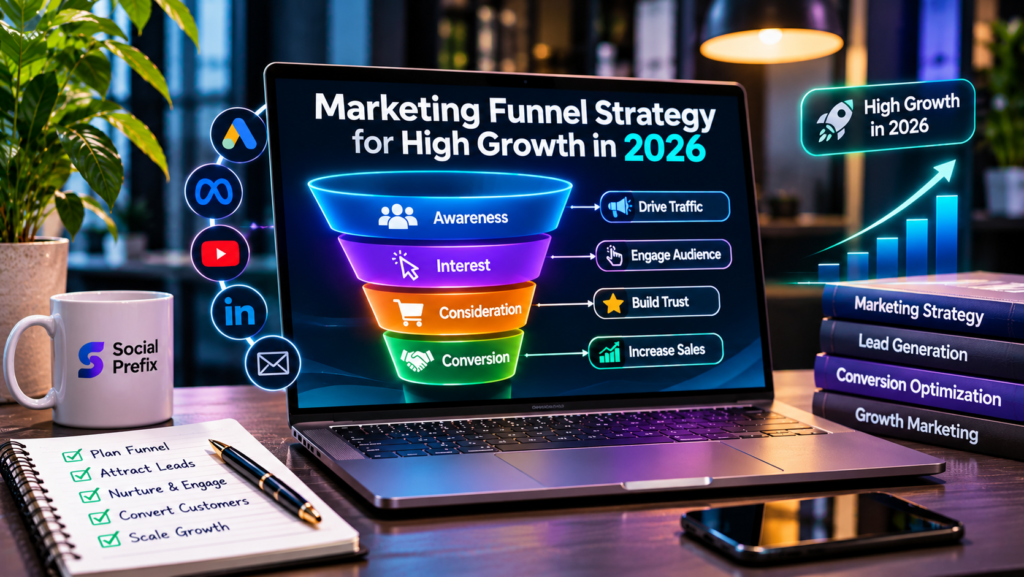
Marketing Funnel Strategy for High Growth in 2026

The marketing funnel has never been more important. Buyers are more informed. Competition is fiercer. Attention spans are shorter. In 2026, a poorly optimized funnel does not just underperform. It actively costs you customers and revenue. Marketing funnel strategy must now account for AI-driven buyer behavior, multi-channel touchpoints, and increasingly personalized expectations. Sales funnel optimization is no longer a quarterly project. It is a continuous discipline. This guide walks you through the four pillars of funnel optimization in 2026. You will learn how to map your customer journey, integrate automation intelligently, diagnose where your funnel is leaking, and scale what is already working. Awareness to Conversion Mapping Every successful marketing funnel starts with clarity. You need to know exactly how a customer moves from first discovering your brand to completing a purchase. This is called awareness to conversion mapping. It is one of the most underutilized practices in marketing funnel strategy. Begin by identifying every touchpoint a buyer encounters. This includes social media ads, organic search results, blog posts, email sequences, landing pages, and product pages. Map each one to a specific funnel stage. Awareness content attracts cold audiences. Consideration content helps them evaluate options. Decision content moves them to buy. Furthermore, use data to understand where most buyers enter and exit your funnel. Analytics platforms like Google Analytics 4, HubSpot, or Mixpanel reveal these patterns clearly. Once you know the most common paths to conversion, you can strengthen them intentionally. Consequently, you reduce the number of buyers who fall off before reaching the end of the funnel. Aligning Content With Funnel Stages Content alignment is critical in 2026. Showing a high-intent sales page to someone who has never heard of your brand creates friction, not conversion. Similarly, showing awareness-level content to someone ready to buy delays the sale unnecessarily. Map every piece of content to a specific funnel stage. Top-of-funnel content should educate and attract. Mid-funnel content should build trust and overcome objections. Bottom-of-funnel content should remove risk and confirm value. Moreover, personalization tools now make it possible to serve the right content dynamically. AI-powered platforms can adapt landing pages, emails, and ad creatives based on user behavior. This kind of personalized funnel mapping significantly improves conversion rates across all stages. Automation Integration Marketing automation is no longer optional in 2026. Buyers expect timely, relevant communication. Manual follow-up cannot match the speed or consistency that automation provides. However, bad automation is worse than no automation. Generic, impersonal sequences damage brand trust quickly. Therefore, the goal is intelligent automation that feels human. Start with your email sequences. Map out what happens after someone downloads a lead magnet, starts a free trial, or abandons a cart. Each trigger should launch a relevant, helpful sequence. Use behavioral signals to personalize the messaging. For example, someone who visits your pricing page three times is showing strong intent. An automated sequence that acknowledges this and offers a limited-time incentive can dramatically lift conversion. Additionally, integrate your CRM with your marketing platform. When sales and marketing data share the same system, handoffs become smoother. Leads do not fall through the cracks between departments. Choosing the Right Automation Tools The market for marketing automation tools is large. Selecting the wrong platform wastes both money and time. In 2026, look for platforms that combine email automation, CRM functionality, behavioral tracking, and AI-powered personalization. HubSpot, ActiveCampaign, Klaviyo, and Brevo are strong options at different price points. For ecommerce funnels specifically, Klaviyo remains a top performer for revenue-driven automation. Furthermore, platforms with native AI features are becoming increasingly valuable. They suggest optimal send times, predict churn risk, and recommend content based on user behavior. These capabilities improve funnel performance with minimal manual effort. As a result, your team can focus on strategy rather than repetitive execution. Funnel Leak Diagnosis A leaking funnel costs revenue silently. Most businesses know their top-line conversion rate but miss the specific stages where buyers are dropping off. Funnel leak diagnosis is the process of identifying exactly where and why this happens. Start with a funnel audit. Map every stage from awareness to purchase. Then assign conversion rate benchmarks to each stage. Industry averages vary, but you should know your own historical baselines. Compare current performance against those baselines. Also, look for patterns in drop-off. Are visitors bouncing from a specific landing page or Are leads going cold after a particular email in your sequence? Are trial users failing to convert to paid after a certain onboarding step? Each of these signals points to a specific leak. Moreover, qualitative research supplements quantitative data well. User session recordings, heatmaps, and exit surveys reveal friction that numbers alone cannot explain. Tools like Hotjar and Microsoft Clarity provide this insight affordably. Fixing the Most Common Funnel Leaks Once you identify leaks, the repair process begins. Common funnel leaks include slow page load times that increase bounce rates. They also include unclear value propositions on landing pages. Weak calls to action that do not create urgency are another frequent issue. Confusing pricing pages or checkout flows also cause significant drop-off. Address each leak systematically. Run A/B tests to validate fixes before rolling them out broadly. For example, changing a call-to-action button from “Submit” to “Get My Free Report” can lift click-through rates noticeably. Similarly, simplifying a pricing page by removing unnecessary options can reduce decision fatigue and increase conversions. Therefore, treat each funnel stage as a conversion rate optimization opportunity. Small improvements at every stage compound into significant revenue gains over time. Scaling High-Converting Funnels Once your funnel is working, the goal shifts to scaling. Scaling a high-converting funnel means driving more volume through a proven system. Many businesses make the mistake of scaling prematurely. They increase ad spend before the funnel is truly optimized. This accelerates losses rather than gains. First, confirm that your funnel is profitable at current volume. Calculate customer acquisition cost and compare it against lifetime value. If the ratio is healthy, scaling becomes a sound investment. Next, identify the top-performing traffic channels. Not […]

Attribution Modeling, data-driven marketing, Marketing, Marketing Automation, Marketing ROI, Marketing Strategy, Performance Tracking, SEO Marketing

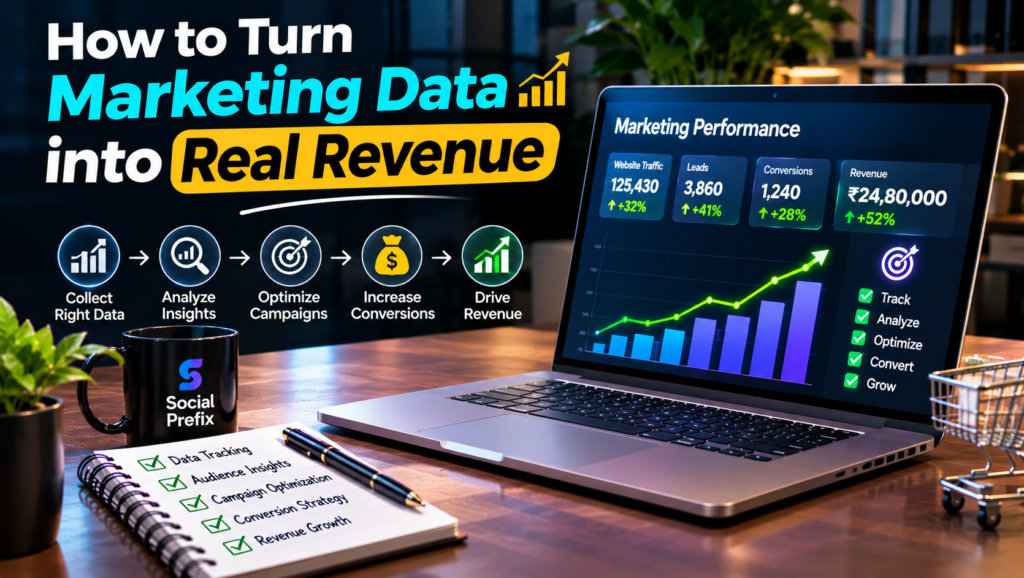
How to Turn Marketing Data into Real Revenue

The modern world of digital marketing is no longer a game of guessing. Instead, success now depends on how well you can turn raw numbers into real profit. By using a smart marketing analytics strategy, you can see exactly what your customers want before they even ask. Consequently, this blog shows you how to use data to fuel your growth in 2026. To achieve this, you must move beyond just looking at charts and start making choices based on facts. Ultimately, this path leads to higher sales and a much stronger brand. Therefore, every business must master the art of data if they want to win. Collecting Actionable Data Not all data is useful for your brand. In fact, having too much information can often lead to confusion. To start, you must focus on collecting data that you can actually use to improve. Specifically, look at how users move through your site and where they choose to leave. In addition, track which social posts lead to the most sign-ups. By doing so, you find the “why” behind every click. Moreover, smart tools now help you clean this data in real time. As a result, you spend less time sorting and more time winning. Clearly, gathering the right facts is the first step toward a better marketing plan. Attribution Models in 2025 Knowing which ad gets the final sale is good, but knowing the whole journey is much better. In the past, many used simple models that only looked at the last click. However, modern marketing analytics strategy now uses multi-touch attribution. This approach gives credit to every step of the path, from the first ad to the final checkout. For example, a lead might see a post on LinkedIn, then a video on YouTube, and finally search for your name on Google. By using these advanced models, you can see which channels are truly worth your money. Thus, you can spend your budget where it helps the most. Predictive Insights The biggest shift in marketing today is the move from looking back to looking forward. Through the use of AI, you can now gain predictive insights into what will happen next. For instance, smart tools can tell you which leads are most likely to buy next week. Furthermore, they can predict when a customer might leave so you can stop them. As a result, you can take action early and save your revenue. In addition, this tech helps you find new groups of people who look like your best buyers. In short, predictive data is like having a crystal ball for your business growth. Building a Data Culture Having the best tools is not enough if your team does not use them. Therefore, you must build a strong data culture within your company. First, ensure that everyone has access to the same clean reports. Second, encourage your team to test their ideas with data rather than just gut feelings. In light of this, every choice becomes smarter and more stable. Moreover, this shared focus leads to faster wins and less wasted time. When everyone understands the marketing analytics strategy, your whole brand moves in the same direction. Ultimately, a data-driven team is a winning team. Frequently Asked Questions 1 Is marketing analytics hard for a small business? No, because many modern tools handle the hard math for you and give you simple answers. 2 Why is attribution so important? This is because it helps you see the hidden value in your ads that do not get the final click. 3 How often should I check my data? You should check your main stats every day, but look for big trends every week. 4 Does data replace creative ideas? On the contrary, data helps you see which creative ideas work the best for your fans. 5 What is the first step to a data culture? Simply start by asking for a data report before making any big new choice. Read More: How to Capture marketing Results with a Proven Funnel How to Find high ticket leads and Scale Fast

AI Marketing, AI Support, AI Tools, AI Trends, Automation Tools, Brand Markeing, Content Marketing, Digital Advertising, Digital Marketing, Marketing, Marketing Strategy, Marketing Tech

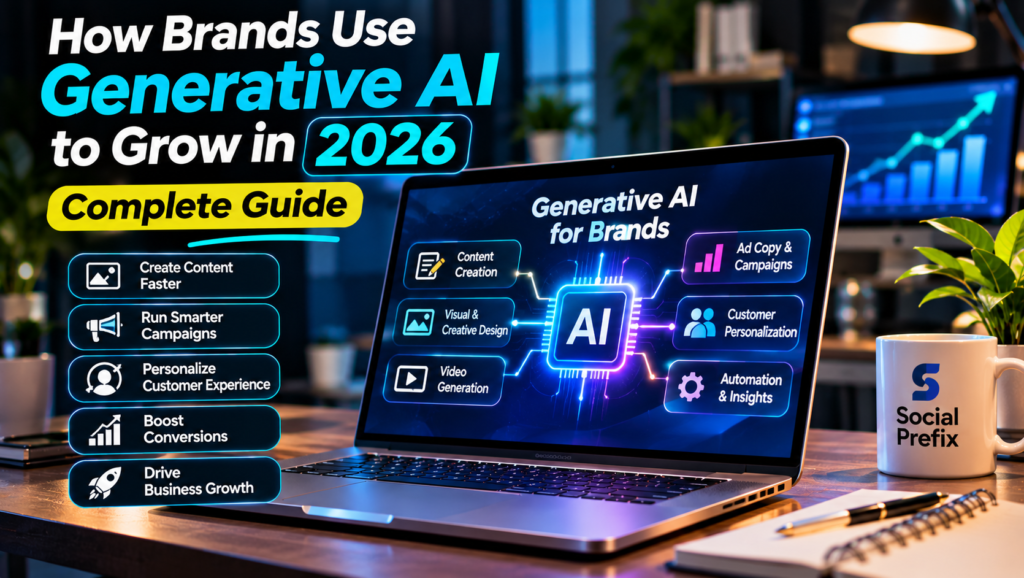
How Brands use Generative AI to Grow in 2026: Complete Guide

The digital marketing world in 2026 is shifting fast. It is no longer just about new tools. Instead, it is a big change in how brands talk to people. Generative AI is now the main engine for all marketing tasks. Because of this, companies can offer experiences that were once impossible. Marketers use generative AI to see deep patterns in how we act. Consequently, they can create content that fits every need right away. This year is also the start of smart systems. These systems do not just follow rules. They work hard to meet specific goals for growth. What Generative AI Means for Brands For brands today, generative AI is a bridge. It connects huge sets of data to real human feelings. Furthermore, it allows for deep personal touches at a very large scale. Manual teams simply cannot keep up with this speed. As a result, every chat with a brand feels special. This is because generative AI can change web pages and emails in real time. Brands also use these tools to guess what a user wants next. Therefore, marketing is no longer just a loud shout to a crowd. It is now a set of quiet, helpful talks. Companies that use generative AI well see much more love from their fans. AI + Human Collaboration Model The best marketing teams in 2026 use a shared model. In this setup, AI and humans work as a single team. First, generative AI does the heavy work. It looks at data and writes the first drafts. It also tests many versions of an ad at once. Meanwhile, human marketers focus on the big plan. They also bring the heart and the brand voice to the work. Although AI can make a thousand ads in a blink, it still needs a human touch. Humans set the rules to keep things fair and safe. This teamwork makes sure every plan is smart but still feels real. Most work now starts with AI ideas that humans turn into art. Risks of Over-Automation However, there are big risks if you use too much automation. Brands must not forget the human side of the job. If you lean too hard on generative AI, the work can feel flat. People call this “AI slop.” This is content that feels like a robot wrote it. Most fans in 2026 can spot this a mile away. If they do, they might stop trusting the brand. Also, AI tools can learn bad habits from old data. This happens if humans do not watch them closely. There is also a risk of losing your way. This occurs when a computer makes every choice. To stay strong, brands must be open about how they use AI. Building an AI-Enhanced Marketing Engine Building a strong engine today needs a clear map. You must link generative AI into every part of your plan. First, get your own data ready. This gives the AI a good base to learn from. Next, start using smart tools for small tasks. These tools can handle ads, lists, and basic notes. After that, focus on groups of content. These should answer the exact questions people ask. It is also vital to keep a human in the loop. This person checks every AI post for quality. They make sure it fits the brand. Finally, teach your team well. Everyone should know how to talk to and lead these new systems. Frequently Asked Questions 1 How does generative AI help with SEO in 2026? It helps sites show up in AI chat results. It does this by giving clear and short answers. 2 Will generative AI take away all marketing jobs? No, it just changes the work. Marketers now lead smart systems instead of doing dull tasks. 3 What is a big mistake to avoid with AI? The biggest error is letting AI do everything. This makes your brand look just like everyone else. 4 Can generative AI create video ads? Yes, it can make custom videos for each user. It can change the music and the script in a flash. 5 How do I keep my AI blog posts feeling human? Use AI for the main facts and the first draft. Then, add your own stories and feelings to finish it. Read More: How to Master web vitals for Better SEO Easily? Is your digital marketing ready for the post-cookie world? How to use cybersecurity to build ultimate customer trust?

AI Marketing, AI Support, AI Tools, Automation Tools, Business Growth, Business Marketing Strategies, Digital Marketing, social media marketing

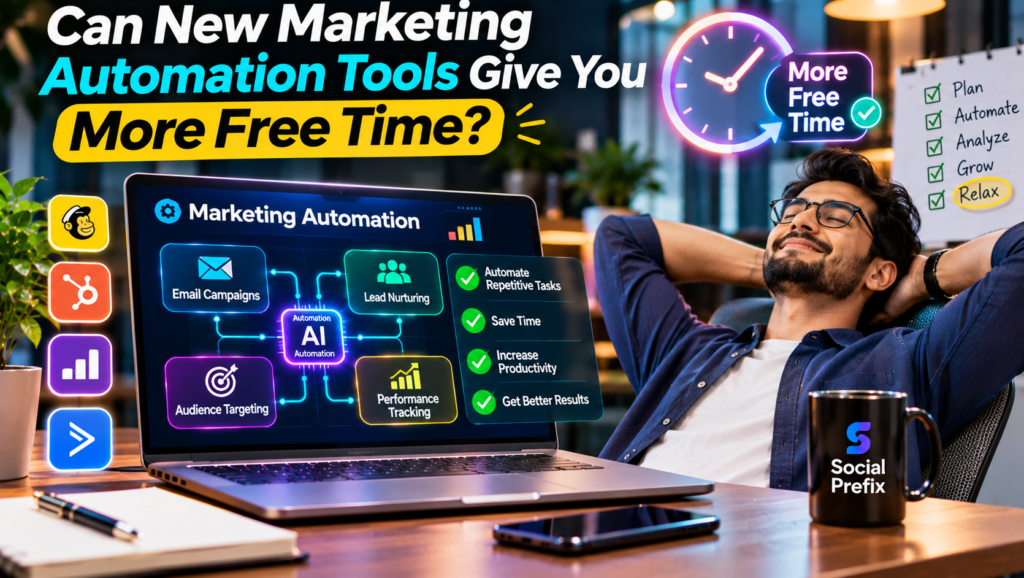
Can new marketing automation tools give you more free time?

The world of modern marketing moves at a very fast pace every single day. Therefore, many firms struggle to keep up with all their small tasks. Specifically, sending emails or posting on social media takes a lot of time. This can feel very heavy for small teams. However, marketing automation tools offer a powerful solution for everyone. These smart systems handle routine jobs for you. Consequently, your team saves many hours each week. They can then focus on big ideas and creative plans. This shift not only saves time but also boosts your sales. Therefore, using these tools is a vital step for every modern business. Specifically, this guide shows you the best path to success. Automate Your Emails to Win More Fans Email is still a king in the world of online sales. However, sending emails one by one is far too slow. This is where marketing automation tools for email really shine. Specifically, they let you set up a sequence based on what a user does. For example, a new fan gets a welcome note right away. Furthermore, if they look at a price page, they get a follow-up. These systems also track who opens your mail. You can then send more targeted messages. This personal touch makes every customer feel very special. Consequently, it leads to higher open rates and more sales. Therefore, you should automate your mail today. Stay Active on Social Media with Less Effort Posting every day on social media is very important for your brand. Yet, it takes a lot of work to plan every post. Luckily, marketing automation tools can handle this for you. Specifically, you can schedule your posts for the whole month at once. These tools also help you find the best time to share your news. Some even suggest new ideas based on what is popular. By using these tools, you ensure your brand stays visible. This keeps your fans engaged and happy. Consequently, it frees up your team to make even better content. It truly helps you reach more people with less manual work. Score Your Leads to Find the Best Buyers Not every lead is ready to buy from you right now. Some are ready to spend, but others need more time. Marketing automation tools can score these leads for you. For instance, a lead who visits your shop often gets a higher score. You can then send them a special deal to close the sale. High scores might even get a call from your team. In contrast, low scores get more helpful tips to learn about you. This smart plan ensures your team focuses on the best prospects. Therefore, it makes your sales cycle much shorter. It is a powerful way to make your business much smarter. Personalize Your Website for Every Single Visitor Imagine if your website changed for every person who visited. Marketing automation tools can make this dream a real fact. Specifically, they use data to show the right items to the right people. For example, a fan of shoes will see new shoes on your home page. If they have bought from you before, they might see a gift. This personal experience makes your site very fun to use. It also makes it easier for people to find what they want. Consequently, this leads to more clicks and higher sales. It creates a perfect journey for every single user. Check Your Data to Grow Even Faster You cannot fix what you do not track. Marketing automation tools come with very clear reports for you. Specifically, they track every single move your fans make. You can see which emails work best and which posts get the most likes. These facts help you understand your audience much better. They also show you which plans are worth your time. Therefore, you can make smart choices based on real facts. This constant check ensures your work gets better every single day. It turns raw facts into a smart plan for your whole team. FAQs 1 What are marketing automation tools? They are smart apps that do your routine work for you automatically. 2 How do they save me time? They do the boring jobs so you can focus on big ideas. 3 Do they really help me sell more? Yes, they send the right message at the perfect time to your fans. 4 Are these tools hard to learn? No, most are very simple and help you scale very fast. 5 Can a small brand use them? Specifically, they are great for small brands to grow with less staff. Read More: Is scaling with ai chatbots the ultimate ROI hack for 2026? Can scaling with predictive analysis build a better brand? Does a dashboard for scaling unlock your business growth?

affiliate marketing, AI Marketing, Brand Markeing, Brand Trust, Engagement, Influencer Marketing, Leads Generation, Marketing, Marketing ROI, User-generated content

Is Your Affiliate Strategy Built for High ROI Growth?

The Shift from Transactions to Strategic Partnerships I’ve heard it a thousand times. A company treats its affiliate program like a set-it-and-forget-it tool. And yet, their marketing team wonders why their growth is flat. Usually, that is just a polite way of saying the program is too passive. Also, the brands are too busy chasing volume to build real trust with partners. If you are only paying for clicks while your competitors build long-term ties, you are building a ghost town. In fact, an affiliate program built on deep trust is worth much more than a network of general links. Furthermore, the biggest budget killer in 2026 is relying on old cookie-based tracking. This happens when brands lose data because of new privacy rules. This path creates a massive gap in your data. Because of this, brands want a more secure way to track their sales. The solution lies in a smart fusion of AI tech and human relationships. This turns a simple link into a powerful growth engine. This isn’t just a tech fix. Instead, it is a strategic shift. This empowers every brand to scale with conviction. Once you use these partner tools, you will see your sales pipeline grow with high-quality leads. 1. AI: The New Strategic Partner for Growth If you aren’t using AI to manage your partners, you are flying blind. Specifically, smart systems now use predictive analytics to find the best partners for your niche. You need to know which affiliates will drive the best lifetime value. For example, was it the niche blog or the short-form video creator? Smart brands use AI-powered tools to analyze these patterns. Then, they suggest the best commission rates for every partner. Moreover, smart AI plans allow for a steady gain in market share. This is because they focus on high-quality user paths and fraud detection. By using a data-first plan, you help your program win. This leads to steady gains. It sounds simple. However, most brands are too busy guessing to look at the AI success in 2026. 2. The Rise of Micro-Influencers and UGC The move to smaller, niche creators is happening faster than we thought. While big stars have reach, micro-influencers add high trust through personal ties. These creators use real stories to sell products. These stories act like a smart bridge to a loyal audience. Many brands now prefer nano-influencers with just 5,000 followers because they drive more qualified leads. However, simple posts are not enough for a big change. The most top-tier stage is creator-led commerce through video and live shopping. These tools handle the shift from browsing to buying in real-time. These systems help brands stay relevant. Consequently, they act as a smart brain for your social sales strategy. 3. Privacy-First Tracking and Attribution To build smart sales tools, you should not have to glue poor data together. The new rules of 2026 demand first-party data solutions. Specifically, this draws on server-to-server tracking to give safe answers to privacy shifts. This means a brand can track a sale with full data ready to go, even without cookies. Additionally, think of a case where your attribution better understands the whole journey. It uses multi-touch models to give fair credit to every touchpoint. This base ensures that your responses to partner needs stay strong. Therefore, it stops the friction that slows down your best affiliates. It helps them finish their day with more fair payouts and fewer errors. 4. The 80/20 Rule of Partner Management If your brand spends all its time on general networks, you have no time for high-value ties. You must follow an 80/20 rule. Thus, use your top 20% of partners to drive 80% of your value. This includes co-creating content or giving early access to products. This leaves the 20% of simple admin work to automated tools. Using fast AI tools helps your program stay on track without manual work. AI can even set up fast replies for partner questions. This allows your team to work in a flow. They do not have to switch between many tools. This leads to much faster growth. 5. Track the Metrics That Actually Hit the Bank If your manager talks about total clicks but not lead quality, you need a new plan. Those are vanity marks that hide a weak spot. You can have many clicks but no real profit in the bank. To know if you are winning, you must track the “Dirty Four”: Conclusion How to win the future of affiliate marketing? It shifts from a secret to a system when you pick your niche well. You must set clear goals for the channel. Also, track gains with care using AI data. Repeat this for 90 days. Then, growth becomes steady. This helps you spend your budget with trust. Key Takeaways FAQs Q1: Will AI replace human affiliate marketers? Ans. No, but it will act like a smart helper for tasks like finding partners and stopping fraud. Q2: Why are micro-influencers better than big stars? Ans. They have higher trust and engagement rates, often leading to better lead quality. Q3: Is it better to focus on my own site or social apps? Ans. Good brands use a mix of both, but mobile and social tools are growing very fast. Q4: How do I track sales without third-party cookies? Ans. You must move to server-side tracking and use first-party data to stay safe and accurate. Q5: What is the biggest risk for brands in affiliate marketing? Ans. Ad fraud and poor tracking are big risks, so make sure you use smart tech tools. READ MORE: 10 Secret Webinar Hacks for High Quality Leads Today Steps to Master WhatsApp Marketing in 30 Days: Ultimate Guide

CTA, Customer Engagement, Engagement, Google, Leads Generation, Marketing, Site Traffic, Social Commerce, social media engagement

10 Secret Webinar Hacks for High Quality Leads Today

Traditional lead generation often feels very impersonal because it lacks the direct engagement of a real conversation with potential customers. However, once you learn how to leverage webinar, you will see much higher engagement and a significant boost in qualified leads. I have used these exact strategies to help brands slash their advertising costs while seeing a massive boost in conversions. The Problem With Cold Outreach Many businesses still rely on cold emails or generic content that people often ignore. This approach creates a massive disconnect because these methods lack the personal feel of a real interaction. You might feel frustrated when your expensive ad campaigns fail to bring in genuinely interested prospects. Cold outreach is like shouting at a crowd and hoping one person looks your way; it’s inefficient and often ineffective. The solution lies in creating a highly engaging, interactive experience where potential customers willingly invest their time to learn from you. Webinars allow you to demonstrate your expertise, build trust, and address pain points in a live, dynamic setting. Once you apply these personal touchpoints, you will see your sales pipeline fill with genuinely interested prospects. I have seen small B2B companies double their lead quality by simply hosting well-structured webinars. Strategy 1: Define Your Target Audience and Their Pain Points Before anything else, clearly identify who you want to attract and what problems they are trying to solve. A focused webinar topic that directly addresses a specific pain point will attract a more qualified audience. For example, instead of “Digital Marketing Basics,” choose “How B2B SaaS Companies Can Double Leads in Q2.” This precision ensures you’re speaking to the right people. Strategy 2: Create Compelling, Solution-Oriented Content Your webinar content should not just inform but also inspire and provide actionable solutions. Focus on delivering immense value, showcasing your expertise, and subtly positioning your product or service as the ultimate solution. Use case studies, live demos, and interactive polls to keep the audience engaged and illustrate real-world success. Strategy 3: Optimize Your Registration Page for Conversions Your registration page is your first conversion point. It needs to be clear, concise, and persuasive, highlighting the key benefits attendees will gain. Use strong headlines, bullet points, testimonials, and a clear call-to-action (CTA). Only ask for essential information (name, email, company) to minimize friction. Strategy 4: Promote Your Webinar Across Multiple Channels Don’t just rely on one channel. Promote your webinar heavily across email lists, social media (LinkedIn, Twitter, Facebook), your website, and even paid ads if budget allows. Craft different messages for each platform to resonate with that audience’s specific context. Consistent promotion is key to maximizing attendance. Strategy 5: Engage Your Audience with Live Interaction A static presentation won’t generate high-quality leads. Encourage questions, run polls, and use chat features to create a dynamic and interactive experience. Addressing audience questions directly builds trust and allows you to understand their specific needs, which is invaluable for lead qualification. Strategy 6: Implement Strategic Call-to-Actions (CTAs) Your webinar should have clear, well-placed CTAs. This isn’t just about selling; it’s about guiding interested prospects to the next logical step. Offer a free resource, a demo, a consultation, or a special discount for attendees. Make it easy for them to take action right at the point of highest interest. Strategy 7: Utilize Post-Webinar Follow-Up Sequences The real lead generation often happens after the live event. Send a series of automated emails to attendees, those who registered but didn’t attend, and those who downloaded resources. Provide the recording, additional resources, and reiterate your CTA, nurturing them further down the funnel. Strategy 8: Segment Leads Based on Engagement and Behavior Not all leads are created equal. Track who attended, who asked questions, who clicked on CTAs, and who downloaded resources. Use this data to segment your leads into different groups (e.g., highly engaged, moderately engaged) and tailor your follow-up messages accordingly. This allows your sales team to prioritize the hottest prospects. Strategy 9: Repurpose Your Webinar Content Extensively One webinar can generate a wealth of content. Turn the recording into an on-demand resource, extract key clips for social media, transcribe it into blog posts, and create infographics from your data. This multiplies the value of your initial effort and continues to generate leads long after the live event. Strategy 10: Integrate Webinars with Your CRM and Sales Team Ensure seamless integration between your webinar platform and your CRM. Automatically pass lead data, engagement scores, and attendee behavior directly to your sales team. This provides them with crucial context for their outreach and ensures no hot lead falls through the cracks, leading to more efficient sales cycles. Conclusion and Next Steps By implementing these 10 strategies, you can transform your webinars into powerful lead generation machines, delivering high-quality prospects directly to your sales pipeline. Don’t forget to continuously analyze your performance, iterate, and optimize your approach. FAQs 1 What makes a webinar high-quality for lead generation? High-quality webinars offer immense value, solve specific audience problems, and include clear, strategic calls-to-action. 2 How often should I host webinars? The ideal frequency depends on your industry and resources, but consistency (e.g., monthly or quarterly) is often effective. 3 Should I charge for webinars? Generally, for lead generation, free webinars attract a larger audience. Charging is more common for in-depth training or premium content. 4 What’s the most important part of webinar promotion? Targeted promotion across multiple channels with compelling messaging that highlights attendee benefits is crucial. 5 How do I measure webinar success for lead generation? Key metrics include registration-to-attendance rate, engagement during the event, CTA clicks, and the number of qualified leads generated post-webinar. Also Read: Steps to Master WhatsApp Marketing in 30 Days: Ultimate Guide

Scroll to Top