Marketing

affiliate marketing, AI Marketing, Brand Markeing, Brand Trust, Engagement, Influencer Marketing, Leads Generation, Marketing, Marketing ROI, User-generated content

Is Your Affiliate Strategy Built for High ROI Growth?

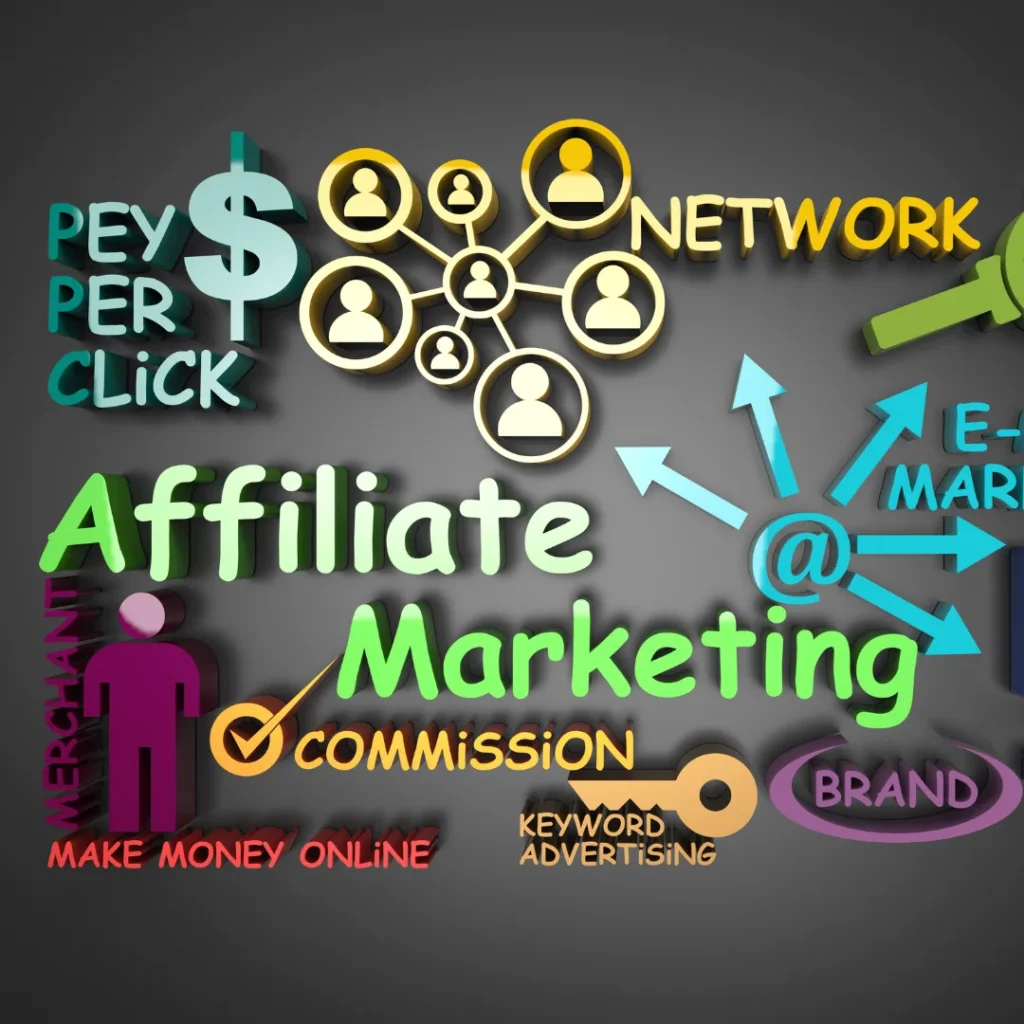
The Shift from Transactions to Strategic Partnerships I’ve heard it a thousand times. A company treats its affiliate program like a set-it-and-forget-it tool. And yet, their marketing team wonders why their growth is flat. Usually, that is just a polite way of saying the program is too passive. Also, the brands are too busy chasing volume to build real trust with partners. If you are only paying for clicks while your competitors build long-term ties, you are building a ghost town. In fact, an affiliate program built on deep trust is worth much more than a network of general links. Furthermore, the biggest budget killer in 2026 is relying on old cookie-based tracking. This happens when brands lose data because of new privacy rules. This path creates a massive gap in your data. Because of this, brands want a more secure way to track their sales. The solution lies in a smart fusion of AI tech and human relationships. This turns a simple link into a powerful growth engine. This isn’t just a tech fix. Instead, it is a strategic shift. This empowers every brand to scale with conviction. Once you use these partner tools, you will see your sales pipeline grow with high-quality leads. 1. AI: The New Strategic Partner for Growth If you aren’t using AI to manage your partners, you are flying blind. Specifically, smart systems now use predictive analytics to find the best partners for your niche. You need to know which affiliates will drive the best lifetime value. For example, was it the niche blog or the short-form video creator? Smart brands use AI-powered tools to analyze these patterns. Then, they suggest the best commission rates for every partner. Moreover, smart AI plans allow for a steady gain in market share. This is because they focus on high-quality user paths and fraud detection. By using a data-first plan, you help your program win. This leads to steady gains. It sounds simple. However, most brands are too busy guessing to look at the AI success in 2026. 2. The Rise of Micro-Influencers and UGC The move to smaller, niche creators is happening faster than we thought. While big stars have reach, micro-influencers add high trust through personal ties. These creators use real stories to sell products. These stories act like a smart bridge to a loyal audience. Many brands now prefer nano-influencers with just 5,000 followers because they drive more qualified leads. However, simple posts are not enough for a big change. The most top-tier stage is creator-led commerce through video and live shopping. These tools handle the shift from browsing to buying in real-time. These systems help brands stay relevant. Consequently, they act as a smart brain for your social sales strategy. 3. Privacy-First Tracking and Attribution To build smart sales tools, you should not have to glue poor data together. The new rules of 2026 demand first-party data solutions. Specifically, this draws on server-to-server tracking to give safe answers to privacy shifts. This means a brand can track a sale with full data ready to go, even without cookies. Additionally, think of a case where your attribution better understands the whole journey. It uses multi-touch models to give fair credit to every touchpoint. This base ensures that your responses to partner needs stay strong. Therefore, it stops the friction that slows down your best affiliates. It helps them finish their day with more fair payouts and fewer errors. 4. The 80/20 Rule of Partner Management If your brand spends all its time on general networks, you have no time for high-value ties. You must follow an 80/20 rule. Thus, use your top 20% of partners to drive 80% of your value. This includes co-creating content or giving early access to products. This leaves the 20% of simple admin work to automated tools. Using fast AI tools helps your program stay on track without manual work. AI can even set up fast replies for partner questions. This allows your team to work in a flow. They do not have to switch between many tools. This leads to much faster growth. 5. Track the Metrics That Actually Hit the Bank If your manager talks about total clicks but not lead quality, you need a new plan. Those are vanity marks that hide a weak spot. You can have many clicks but no real profit in the bank. To know if you are winning, you must track the “Dirty Four”: Conclusion How to win the future of affiliate marketing? It shifts from a secret to a system when you pick your niche well. You must set clear goals for the channel. Also, track gains with care using AI data. Repeat this for 90 days. Then, growth becomes steady. This helps you spend your budget with trust. Key Takeaways FAQs Q1: Will AI replace human affiliate marketers? Ans. No, but it will act like a smart helper for tasks like finding partners and stopping fraud. Q2: Why are micro-influencers better than big stars? Ans. They have higher trust and engagement rates, often leading to better lead quality. Q3: Is it better to focus on my own site or social apps? Ans. Good brands use a mix of both, but mobile and social tools are growing very fast. Q4: How do I track sales without third-party cookies? Ans. You must move to server-side tracking and use first-party data to stay safe and accurate. Q5: What is the biggest risk for brands in affiliate marketing? Ans. Ad fraud and poor tracking are big risks, so make sure you use smart tech tools. READ MORE: 10 Secret Webinar Hacks for High Quality Leads Today Steps to Master WhatsApp Marketing in 30 Days: Ultimate Guide
CTA, Customer Engagement, Engagement, Google, Leads Generation, Marketing, Site Traffic, Social Commerce, social media engagement

10 Secret Webinar Hacks for High Quality Leads Today

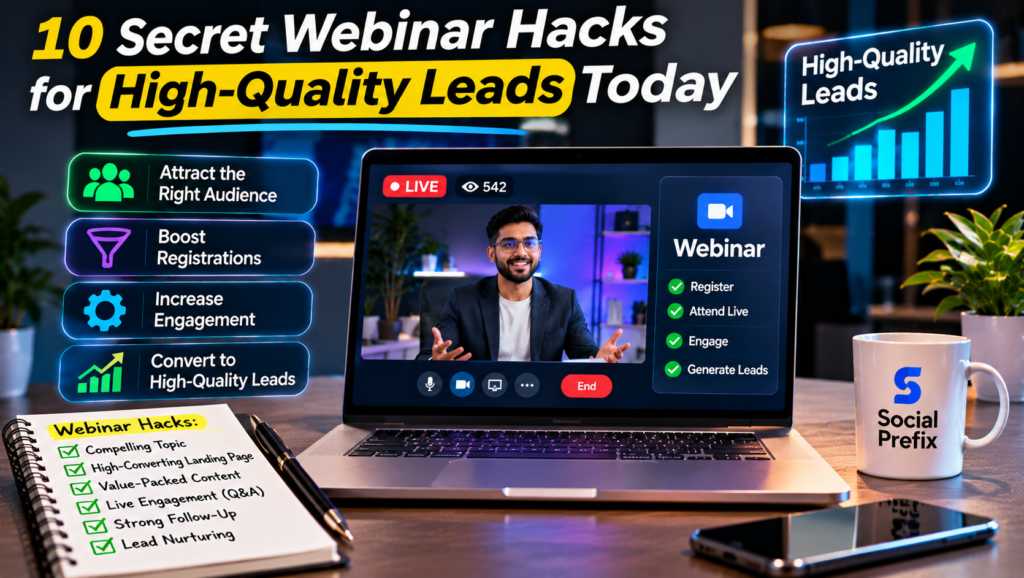
Traditional lead generation often feels very impersonal because it lacks the direct engagement of a real conversation with potential customers. However, once you learn how to leverage webinar, you will see much higher engagement and a significant boost in qualified leads. I have used these exact strategies to help brands slash their advertising costs while seeing a massive boost in conversions. The Problem With Cold Outreach Many businesses still rely on cold emails or generic content that people often ignore. This approach creates a massive disconnect because these methods lack the personal feel of a real interaction. You might feel frustrated when your expensive ad campaigns fail to bring in genuinely interested prospects. Cold outreach is like shouting at a crowd and hoping one person looks your way; it’s inefficient and often ineffective. The solution lies in creating a highly engaging, interactive experience where potential customers willingly invest their time to learn from you. Webinars allow you to demonstrate your expertise, build trust, and address pain points in a live, dynamic setting. Once you apply these personal touchpoints, you will see your sales pipeline fill with genuinely interested prospects. I have seen small B2B companies double their lead quality by simply hosting well-structured webinars. Strategy 1: Define Your Target Audience and Their Pain Points Before anything else, clearly identify who you want to attract and what problems they are trying to solve. A focused webinar topic that directly addresses a specific pain point will attract a more qualified audience. For example, instead of “Digital Marketing Basics,” choose “How B2B SaaS Companies Can Double Leads in Q2.” This precision ensures you’re speaking to the right people. Strategy 2: Create Compelling, Solution-Oriented Content Your webinar content should not just inform but also inspire and provide actionable solutions. Focus on delivering immense value, showcasing your expertise, and subtly positioning your product or service as the ultimate solution. Use case studies, live demos, and interactive polls to keep the audience engaged and illustrate real-world success. Strategy 3: Optimize Your Registration Page for Conversions Your registration page is your first conversion point. It needs to be clear, concise, and persuasive, highlighting the key benefits attendees will gain. Use strong headlines, bullet points, testimonials, and a clear call-to-action (CTA). Only ask for essential information (name, email, company) to minimize friction. Strategy 4: Promote Your Webinar Across Multiple Channels Don’t just rely on one channel. Promote your webinar heavily across email lists, social media (LinkedIn, Twitter, Facebook), your website, and even paid ads if budget allows. Craft different messages for each platform to resonate with that audience’s specific context. Consistent promotion is key to maximizing attendance. Strategy 5: Engage Your Audience with Live Interaction A static presentation won’t generate high-quality leads. Encourage questions, run polls, and use chat features to create a dynamic and interactive experience. Addressing audience questions directly builds trust and allows you to understand their specific needs, which is invaluable for lead qualification. Strategy 6: Implement Strategic Call-to-Actions (CTAs) Your webinar should have clear, well-placed CTAs. This isn’t just about selling; it’s about guiding interested prospects to the next logical step. Offer a free resource, a demo, a consultation, or a special discount for attendees. Make it easy for them to take action right at the point of highest interest. Strategy 7: Utilize Post-Webinar Follow-Up Sequences The real lead generation often happens after the live event. Send a series of automated emails to attendees, those who registered but didn’t attend, and those who downloaded resources. Provide the recording, additional resources, and reiterate your CTA, nurturing them further down the funnel. Strategy 8: Segment Leads Based on Engagement and Behavior Not all leads are created equal. Track who attended, who asked questions, who clicked on CTAs, and who downloaded resources. Use this data to segment your leads into different groups (e.g., highly engaged, moderately engaged) and tailor your follow-up messages accordingly. This allows your sales team to prioritize the hottest prospects. Strategy 9: Repurpose Your Webinar Content Extensively One webinar can generate a wealth of content. Turn the recording into an on-demand resource, extract key clips for social media, transcribe it into blog posts, and create infographics from your data. This multiplies the value of your initial effort and continues to generate leads long after the live event. Strategy 10: Integrate Webinars with Your CRM and Sales Team Ensure seamless integration between your webinar platform and your CRM. Automatically pass lead data, engagement scores, and attendee behavior directly to your sales team. This provides them with crucial context for their outreach and ensures no hot lead falls through the cracks, leading to more efficient sales cycles. Conclusion and Next Steps By implementing these 10 strategies, you can transform your webinars into powerful lead generation machines, delivering high-quality prospects directly to your sales pipeline. Don’t forget to continuously analyze your performance, iterate, and optimize your approach. FAQs 1 What makes a webinar high-quality for lead generation? High-quality webinars offer immense value, solve specific audience problems, and include clear, strategic calls-to-action. 2 How often should I host webinars? The ideal frequency depends on your industry and resources, but consistency (e.g., monthly or quarterly) is often effective. 3 Should I charge for webinars? Generally, for lead generation, free webinars attract a larger audience. Charging is more common for in-depth training or premium content. 4 What’s the most important part of webinar promotion? Targeted promotion across multiple channels with compelling messaging that highlights attendee benefits is crucial. 5 How do I measure webinar success for lead generation? Key metrics include registration-to-attendance rate, engagement during the event, CTA clicks, and the number of qualified leads generated post-webinar. Also Read: Steps to Master WhatsApp Marketing in 30 Days: Ultimate Guide

Audience Engagement, Customer Engagement, Engagement, Leads Generation, Local SEO, Marketing, Personalization in Marketing, SEO, Whatsapp Business, Whatsapp Marketing

Steps to Master WhatsApp Marketing in 30 Days: Ultimate Guide

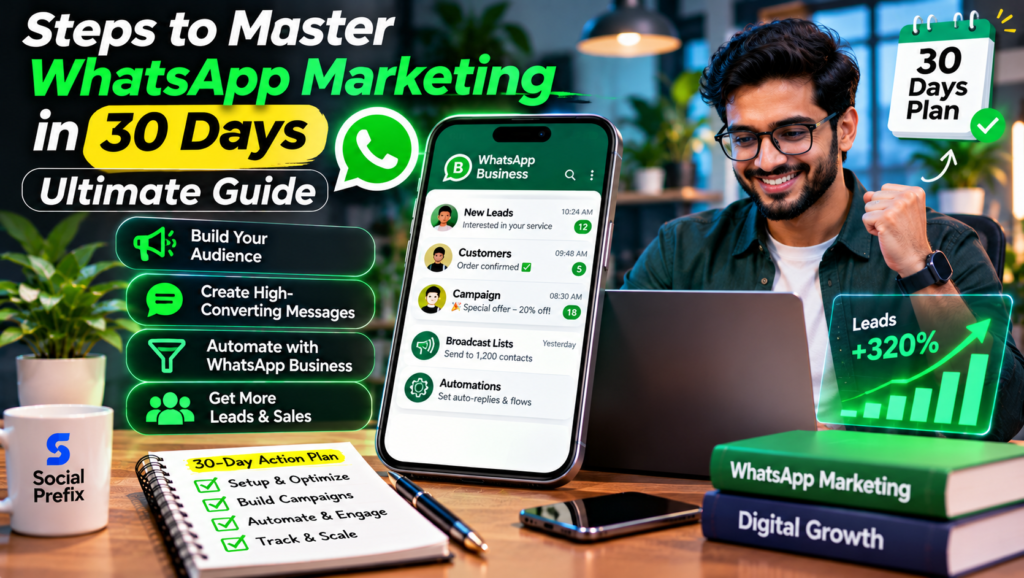
Marketing for a local business can feel very difficult because reaching customers in your neighborhood requires a direct and personal touch. However, once you learn how to use WhatsApp to connect with your community, you will see much higher engagement and foot traffic. I have used these exact strategies to help local brands slash their advertising costs while seeing a massive boost in repeat customers. The Problem With Traditional Local Ads Many local shops still rely on flyers or generic social media posts that people often ignore. This approach creates a massive disconnect because these methods lack the personal feel of a real conversation. You might feel frustrated when your expensive local ads fail to bring people through your front door. Traditional advertising is like shouting at a crowd and hoping one person looks your way. The solution lies in meeting your customers exactly where they spend their time every day. WhatsApp allows you to have a one on one conversation that builds immediate trust and loyalty. Once you apply these personal touchpoints you will see your sales numbers climb quickly. I have seen small cafes and salons double their bookings by simply being accessible through a quick text. Strategy 1: Create a WhatsApp Business Profile A professional profile is your first step toward building authority with your local audience. It allows you to list your address, website, and business hours in one clear place. You should also add a catalog of your best products to make browsing easy for users. This simple setup ensures that customers have all the info they need to visit you. Strategy 2: Use Click to Chat Links on Your Site You want to make it as easy as possible for mobile users to connect with your brand. Because over 30% of local searches happen on mobiles, you should use clickable links for your contact info. This saves people from the extra step of copying your number and switching between different apps. Therefore, a single click can start a conversation that leads to a local sale. Strategy 3: Offer Exclusive WhatsApp Only Discounts People love feeling like they are part of an exclusive club or a special local group. You can encourage people to join your list by offering a unique discount that is not available anywhere else. For example, a “buy one get one” deal for subscribers can drive a lot of traffic on slow weekdays. This incentive turns a casual browser into a loyal real world customer. Strategy 4: Use Status Updates for Daily Deals The Status feature is a great way to show off your daily offers without being pushy. You can post high quality images of your fresh products or new menu items to grab attention. These updates disappear after 24 hours which creates a natural sense of urgency for your followers. Consequently, people will check your status regularly so they do not miss out on a good deal. Strategy 5: Build a Local VIP Broadcast List Broadcast lists allow you to send a message to many people at once while keeping the chat private. This is much better than a group chat where everyone can see each other’s phone numbers. You should use this list to share important community news or special event invites. Therefore, your customers receive a personal notification that feels like a message from a friend. Strategy 6: Automate Your Quick Replies Local business owners are often busy and cannot answer every single text immediately. You should use the Quick Replies feature to answer common questions about your location or prices. This ensures that customers get the information they need even when you are working on the floor. Prompt responses help build a reputation for excellent customer service in your area. Strategy 7: Collect and Share Customer Reviews Social proof is a powerful tool that helps you win over new local customers who are undecided. You can ask your happy customers to send a quick text review of their experience with your brand. Once you have their permission, share a screenshot of these kind words on your status or other social pages. This demonstrates that you are a trusted and well liked member of the community. Strategy 8: Host Interactive Local Contests Contests are a fun way to get people engaged with your brand on a deeper level. You can ask users to send a photo of themselves using your product to enter a prize draw. This creates a lot of excitement and gives you great content to share with your other followers. In addition, it encourages more people to save your number so they can join the next event. Strategy 9: Use QR Codes at Your Physical Location You should place a WhatsApp QR code on your store window or at the checkout counter. This allows customers to join your list with a quick scan while they are already in your shop. You can even offer a small gift or a discount for anyone who signs up on the spot. This bridge between your offline and online marketing is the key to long term success. Strategy 10: Provide Personal Shopping Advice Use the chat to give tailored recommendations based on what a customer likes. For instance, if you run a clothing store, you can send photos of new items that match a user’s style. This high level of service is something that big global brands simply cannot provide. It makes your local business stand out as a helpful and expert authority in your field. Conclusion and Next Steps If you follow the tips in this guide, you should soon see much better results from your local marketing. Please do not forget to let me know how you got on in the comments below. I am always interested in hearing your thoughts, so tell me which tip you felt worked best for your business. FAQs 1 Why is WhatsApp better than email for local businesses? WhatsApp has a much higher open rate because people check their […]

Brand Markeing, Digital Marketing, Engagement, Influencer Marketing, Instagram, Instagram selling, Leads Generation, Marketing, Social Commerce, social media engagement, Social Media Sales, Tiktok selling

Why Social Commerce is the Future: Instagram & TikTok Sales

You must meet your customers where they already spend most of their time today. Therefore, you should learn about the rise of social commerce and how to sell directly on Instagram & TikTok. Truly, these platforms are now full-fledged shopping malls in the palm of every hand. Consequently, you can grow your profits by turning passive viewers into active buyers in 2026. Many people think that social media is only for “brand awareness” or funny videos. But, the reality is that direct in-app purchases are changing how everyone shops online. Always remember, a seamless shopping experience is a strong signal for any search engine. This ensures that your brand stays relevant and your conversion rates stay very high. This approach requires you to use new shopping features to close sales on the spot. It helps you build a much more agile business for the long term. It makes your daily marketing strategy feel much more direct and very effective. Instagram Shopping — Turning Posts into Product Pages First, you must turn your beautiful Instagram feed into a powerful storefront. Why should your customers leave the app to buy your product in 2026? Clearly, “Instagram Shopping” features allow direct purchases without any external links. Therefore, you must set up your product catalog and tag your items today. Key Instagram Shopping Features Here are several ways to sell directly on Instagram right now: Truly, these features solve the problem of cart abandonment due to too many clicks. But, you must also remember to use high-quality images and clear product descriptions. This keeps your brand professional and prevents any sudden loss of trust from buyers. It creates a very high and engaging standard for your daily visual marketing. TikTok Shop — Entertainment Meets E-Commerce So, how do you make shopping feel like fun and entertainment in 2026? Truly, “TikTok Shop” blends viral content with instant purchase options like no other platform. Consequently, you should learn to create engaging videos that feature your products directly. It acts as a direct link between a captivating scroll and a fast sale. Leveraging TikTok for Direct Sales Here is how you can sell directly on TikTok to a massive audience: Furthermore, this improves your search engine performance by generating massive brand mentions. It makes your company look very smart and ready for 2026 market shifts. This ensures that your brand captures impulse buys from a highly engaged audience. It creates a very fast and clear path for your professional marketing success. Optimizing Your Product Content for Social The third phase involves making your product content specifically for social media. Clearly, a traditional product photo from your website will not perform well here. Therefore, you should create short, dynamic videos that show your product in action today. Best Practices for Social-First Product Content Firstly, focus on solving a problem or showing a benefit in the first three seconds of your video. This allows you to grab attention before your viewer scrolls away in 2026. Secondly, use trending sounds and popular filters to make your content feel native to the platform. Furthermore, use transition words in your video captions to encourage immediate action. Also, remember that engaging content helps your search engine authority and user retention. Lastly, check if your “Video Analytics” show strong viewership for your product demos. Truly, a social-first approach is the best tool for breaking through the noise online. It allows you to turn passive scrolling into an active and exciting shopping trip. This is why top brands are hiring “Content Creators” over traditional photographers right now. Measuring Your Social Commerce ROI The fourth phase is where you prove that your social sales efforts are worth the investment. Clearly, you must track more than just “Likes” and “Followers” in 2026. Therefore, you must use the built-in “Shop Analytics” to see your direct sales figures. Key Metrics for Social Commerce Success Firstly, track the “Product Tag Clicks” to see which items are generating the most interest. This helps you optimize your product placement and content strategy today. Secondly, calculate your “Average Order Value (AOV)” from social channels specifically. Furthermore, look for any “Checkout Completion Rate” differences between your social platforms. Also, use your data to see if higher engagement leads to more “Direct Purchases.” Lastly, check your search engine ranking to see if social virality helps your web traffic. Truly, a data-driven path is a journey that leads to a much stronger brand. It turns social media into a series of smart, secure wins for your team. This ensures your business stays strong while others struggle with outdated sales methods. Staying Authentic on Social Finalizing your plan requires you to remember that social media is about connection, not just sales. It needs you to build a community around your brand that trusts your recommendations. Clearly, authenticity is a team effort for your social commerce strategy in 2026. Therefore, follow these simple tips to keep your sales ethical and very fast. Simple Tips for Lifelong Social Success Firstly, respond to every comment and direct message from potential customers quickly. This helps you build rapport and answer questions before they abandon their cart today. Secondly, encourage user-generated content (UGC) by running contests or featuring fan posts. Furthermore, use transition words in your daily posts to keep your brand voice consistent and friendly. Also, remind your team that genuine interactions help the company earn more search engine trust. Lastly, check your search engine data to see if your strong community helps your web traffic grow. Truly, a safe path is a journey that leads to a much better brand in 2026. It builds a path of loyalty that lets your whole team grow very fast. This secures your future in the digital world for a long time. Frequently Asked Questions (FAQs) Q1: Is social commerce only for big brands? No, even small businesses and individual creators can set up shops on Instagram and TikTok for social commerce. Q2: Do I need a separate website if I sell on […]

Audience Engagement, Brand Markeing, Branding, Engagement, Leads Generation, Marketing, Personalization in Marketing, Search Engines, SEO, Site Traffic, social media engagement, Social Media ROI

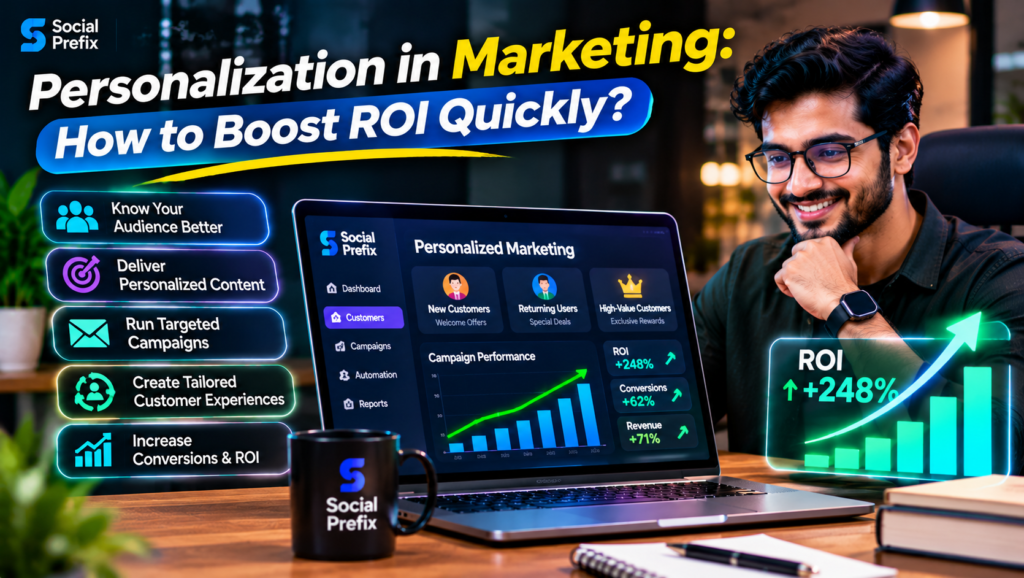
Personalization in Marketing: How to boost ROI quickly

You must treat every customer like a unique person in the digital world today. Therefore, you should learn about personalization in marketing and how to send the right message at the right time. Truly, sending the same email to everyone is a very fast way to lose fans. Consequently, you can grow your sales by tailoring your words to every single buyer in 2026. Many people think that personalization is just about adding a name to a subject line. But, the reality is that it is about understanding what a person needs right now. Always remember, a highly relevant message is a strong signal for any search engine. This ensures that your brand stays helpful and your click rates stay very high. This approach requires you to look at data, habits, and timing for every user. It helps you build a much more loyal business for the long term. It makes your daily digital outreach feel much more human and very effective. Segmenting Your Audience for Better Results First, you must divide your big list into smaller groups based on what they like. Why does a generic message fail to get a click from a new visitor? Clearly, people only care about things that solve their specific problems right now. Therefore, you must use smart segments to group your audience in 2026. How to Group Your Customers for Success Here are several ways to segment your list for better personalization: Truly, these steps solve the problem of boring your audience with useless emails. But, you must also keep your data clean and updated every single month. This keeps your messages fresh and prevents any sudden drops in your open rates. It creates a very high and professional standard for your daily marketing tasks. Mastering the Art of Perfect Timing So, how do you know exactly when to hit the “send” button for every person? Truly, a great message at the wrong time is just as bad as a poor message. Consequently, you should use “Triggered Marketing” to send alerts based on real actions in 2026. It acts as a direct link between a user’s need and your helpful solution. Sending Messages Based on User Action Here is how you can time your marketing for maximum impact: Furthermore, this improves your search engine performance by showing your site is active. It makes your company look very attentive and ready for 2026 market changes. This ensures that your brand is always there exactly when the customer is ready to buy. It creates a very fast and clear path for your professional sales success. Using AI to Predict Customer Needs The third phase involves using smart tools to guess what a buyer wants next. Clearly, you cannot watch every single customer yourself at all hours. Therefore, you should use AI-driven personalization to do the heavy lifting for you today. Predicting the Future of Every Sale Firstly, use machine learning to suggest products that a buyer might love. This allows you to offer value even before the customer knows they want it in 2026. Secondly, use dynamic content blocks that change based on who is reading. Furthermore, use AI to find the “Best Time to Send” for every individual on your list. Also, use transition words in your automated flows to keep them very friendly. Lastly, remember that a predictive approach helps your search engine authority and trust. Truly, AI is the best tool for scaling your personal touch to thousands of fans. It allows you to be everywhere at once while still sounding like a close friend. This is why top brands are moving toward “Hyper-Personalization” right now. Measuring the Impact of Your Personal Touch The fourth phase is where you check if your tailored messages are actually working. Clearly, you must know if your extra effort is bringing in more real profit in 2026. Therefore, you must track your “Personalization Lift” every single month. Metrics for a Highly Personalized Brand Firstly, track the “Open Rate” to see if your custom subject lines get attention. This helps you see if you are speaking the right language to your fans. Secondly, calculate the “Conversion Rate” for every different segment you created. Furthermore, look for any “Unsubscribe Rates” to see if you are messaging too much. Also, use your data to see if a personal touch leads to a higher “Customer Lifetime Value.” Lastly, check your search engine ranking to see if better engagement helps your site. Truly, a personal brand is a journey that leads to a much stronger business. It turns a cold list into a series of warm, loyal fans for your whole team. This ensures your business stays strong while others face high churn rates. Balancing Privacy and Personalization Finalizing your plan requires you to respect your customer’s data and privacy. It needs you to be open about how you use their info to help them. Clearly, staying safe and helpful is a team effort in 2026. Therefore, follow these simple tips to keep your personalization safe and very effective. Simple Tips for Ethical Marketing Success Firstly, always ask for permission before you start tracking a user’s habits. This helps you build a path of trust that lasts for a very long time today. Secondly, give every person a clear way to change their preferences or opt out. Furthermore, use transition words in your privacy policy to keep it very easy to read. Also, remind your team that honesty helps the company earn more search engine trust. Lastly, check your search engine data to see if trust helps your web traffic grow. Truly, a personal path is a journey that leads to a much better brand in 2026. It builds a path of loyalty that lets your whole team grow very fast. This secures your future in the digital world for a long time. Frequently Asked Questions (FAQs) Q1: Is personalization in marketing expensive to start? No, many basic email tools offer free or low-cost ways to segment your list […]

Brand Markeing, Branding, content strategy, Digital Marketing, Engagement, Instagram, Leads Generation, Marketing, SEO, Strategies

How to Run Viral Campaigns Without Spending a Fortune on Ads

Every brand dreams of seeing its message spread like wildfire. Therefore, creating viral campaigns often seems like a very expensive goal. Truly, many people believe you need a huge budget to reach millions. Consequently, they often give up before they even start their project. Some marketers think that going viral is just about luck. But, there are clear steps you can take to boost your chances. Always remember, the best campaigns are built on real value and clever ideas. This ensures that people share your content because they genuinely love it. This approach saves you money while building a strong community. It helps your message travel further with less effort. It makes your brand memorable for a long time. Phase 1: Crafting the Irresistible Core Message First, let us look at what makes people want to share something. Why do some videos get millions of views while others get none? Clearly, the content must trigger a strong feeling in the viewer. Therefore, your core message must be very powerful and clear. Elements of a Shareable Idea Here are several things that make content go viral: Truly, your message is the fuel that powers the entire campaign. But, it must also feel very authentic to your brand. This keeps your campaign real and not just a clever trick. Phase 2: Leveraging Organic Channels and Communities So, how do you get your message out without paying for every click? Truly, organic channels are your best friends here. Consequently, you must find where your target audience spends its time online. It acts as a free megaphone for your initial push. Free Platforms for Viral Distribution Here is how you can spread your content naturally: Furthermore, this helps your content reach the right people who will truly care. It focuses your effort on communities that are ready to share. This ensures that your initial push creates real momentum. It builds a genuine audience for your brand. Phase 3: Unleashing the Power of User-Generated Content (UGC) The third phase is about getting your audience to do the work for you. Clearly, people trust their friends more than they trust ads. Therefore, inviting users to create their own content for you is very powerful. Strategies for Encouraging UGC Firstly, create a clear and simple prompt for users. Tell them exactly what kind of content you want. Secondly, use a unique hashtag for your campaign. This makes it easy to track all the submissions. Furthermore, run a contest with a prize for the best entries. This gives people a strong reason to participate. Also, feature user content prominently on your own channels. Show them that you value their creativity and effort. Lastly, make the submission process very easy and quick. Remove any barriers that might stop people from joining in. Truly, UGC turns your audience into your marketing team. It helps your message spread in a very authentic way. This builds a deeper connection with your community. Phase 4: Smart Partnerships and Influencer Outreach The fourth phase involves working with others who already have an audience. Clearly, paying mega-influencers is very expensive. Therefore, you should focus on micro and nano influencers instead. Finding Cost-Effective Collaborators Firstly, identify influencers who truly align with your brand values. Authenticity is much more important than follower count. Secondly, offer them unique value instead of just money. This could be early access to a product or a share of future profits. Furthermore, look for people with very high engagement rates. A smaller audience that is highly active is better than a large, passive one. Also, create clear guidelines for their content. Ensure their posts still feel organic and true to their style. Lastly, build long term relationships with partners. A single post is less powerful than ongoing support. Truly, a well chosen partner can amplify your message greatly. It helps you reach new eyes without paying for traditional ads. This builds trust through genuine recommendations. Best Practices: Future-Proofing Your Viral Campaigns Making content that goes viral is a skill that improves with practice. It needs a constant focus on your audience and what they love. Clearly, trends change very fast in the digital world. Therefore, follow these habits to stay relevant in 2026. Strategies for Sustainable Viral Success Firstly, always provide real value to your audience. This could be education, entertainment, or pure inspiration. Secondly, listen to what your community is already talking about. Tap into existing conversations instead of starting new ones. Furthermore, test your ideas on a small scale first. See what resonates before launching a big campaign. Also, be ready to adapt your message based on feedback. The internet moves quickly, so be flexible. Lastly, measure everything you do, not just views. Track shares, comments, and how people interact with your content. Truly, a successful viral campaign is about connection, not just reach. It builds a loyal following that stays with your brand. This secures your future growth without huge ad spends. Frequently Asked Questions (FAQs) Q1: Can any brand go viral without spending a lot of money? Yes, absolutely. Smaller brands often have an advantage because they can be more authentic and connect directly with niche communities, which fuels organic sharing. Q2: How long does it take for a campaign to go viral? There is no set timeline. Some campaigns explode overnight, while others build momentum over several weeks. Focus on consistent quality rather than instant virality. Q3: What is the most common mistake brands make with viral campaigns? The biggest mistake is trying to force virality by being overly promotional or inauthentic. People share what they genuinely love, not what they feel pressured to share. Q4: Should I worry about my content being copied if it goes viral? Some copying is natural, but focus on building a strong brand identity. Originality and quality will always stand out, even if similar ideas emerge. Q5: Is it better to use video or text for viral content? Video often has a higher potential for virality due to its engaging […]

Brand Markeing, Branding, content strategy, Engagement, Google, Instagram, Leads Generation, Marketing, PPC Ads, Search Engines, SEO, SEO Marketing, Strategies

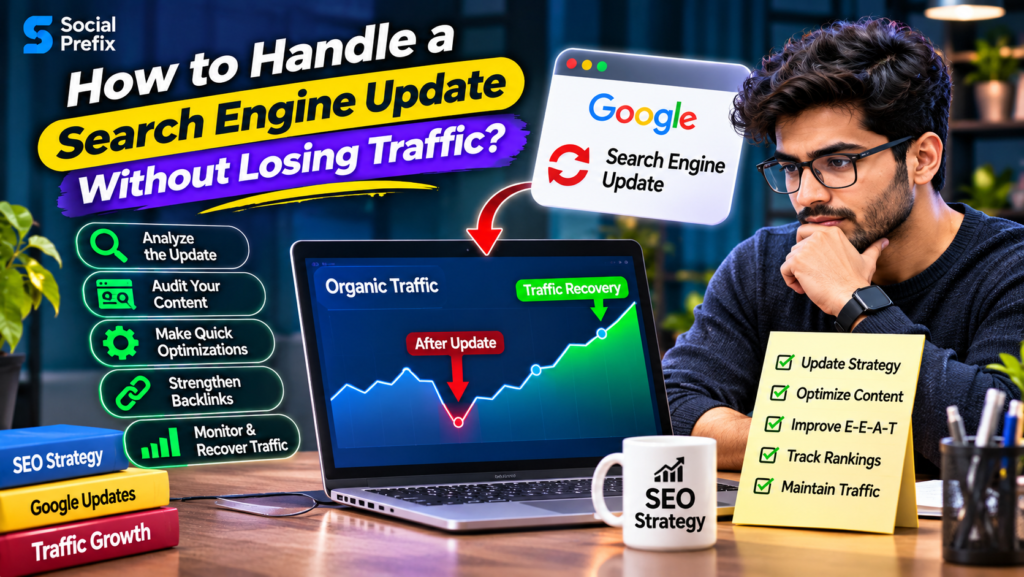
How to Handle a Search Engine Update Without Losing Traffic

Search engine work hard to find the most helpful pages for their users. Therefore, they release core updates several times throughout the year. Truly, the December 2025 update has shifted the rankings for many popular sites. Consequently, you might see a small change in your daily visitor numbers right now. Some site owners feel scared when they see a dip in their data. But, you should view this as a chance to make your website even better. Always remember, Google wants to reward original and expert voices. This ensures that the web stays a trustworthy place for everyone. It also means you have a clear path to get your top spots back. This approach requires a calm look at your recent performance stats. It helps you build a more stable brand for the years ahead. It acts as a shield against any future algorithm changes. Phase 1: Analyzing the Impact with Search Console First, let us look at how the update truly affected your site. Why is it important to wait at least a week before making changes? Clearly, rankings can move up and down while an update is still rolling out. Therefore, you must use Google Search Console to see the full story. Key Metrics to Monitor After an Update Here are several things you should check in your performance report: Truly, this data tells you exactly where you need to focus your work. But, you must stay patient until the update is fully finished. This keeps your analysis accurate and prevents any unnecessary panic. Phase 2: Boosting Your Experience and Expertise So, why does Google care so much about your personal knowledge? Truly, the 2026 guidelines focus on real world experience more than ever. Consequently, generic content is being replaced by expert insights. It acts as a filter to keep the most reliable info at the top. How to Improve Your E-E-A-T Signals Here is how you can show Google that you are a trusted source: Furthermore, this tells the system that your site provides real value. It makes your brand stand out from low quality or mass produced content. This ensures that your pages stay relevant for a very long time. It creates a strong bond of trust with both Google and your readers. Phase 3: Fixing Technical SEO and Site Speed The third phase is about making sure your site runs smoothly. Clearly, a slow or broken website will struggle to rank in the modern era. Therefore, you must fix any technical errors that might be slowing you down. Essential Tech Checks for Ranking Recovery Firstly, test your Core Web Vitals scores. These metrics measure how fast and stable your pages feel to a user. Secondly, ensure your mobile design is perfect. Most people now browse the web using their smartphones. Furthermore, fix any broken links or 404 errors. Google does not like sending users to pages that do not exist. Also, check your site security and HTTPS status. A safe site is a top priority for search engines today. Lastly, clean up your internal linking structure. This helps Google find and understand your best content much faster. Truly, a solid technical foundation is vital for any successful website. It allows your great content to reach the right audience easily. This is why you should audit your site tech every single month. Phase 4: Updating and Pruning Your Content The fourth phase involves looking closely at your existing pages. Clearly, some of your older content might be holding your site back. Therefore, you must decide which posts to update and which ones to remove. How to Handle Low Performing Pages Firstly, identify pages with very low traffic and engagement. These are often called thin content pages by SEO experts. Secondly, decide if a page can be improved. Adding new data and better images can often save a failing post. Furthermore, merge similar pages into one big guide. This prevents your own pages from competing against each other. Also, remove content that is no longer helpful or accurate. Having fewer high quality pages is better than having many weak ones. Lastly, optimize your titles for what users want to find. Make sure your headlines match the actual intent of the searcher. Truly, a lean and focused website is much easier for Google to rank. It shows that you value quality over quantity in everything you publish. This lead to a much faster recovery after any major update. Best Practices: Staying Safe in the Years Ahead Future proofing your site is the best way to handle any algorithm shift. It needs a shift in how you plan your daily content. Clearly, following the rules of today is better than chasing the tricks of yesterday. Therefore, follow these tips to keep your traffic growing. Strategies for Long Term SEO Success Firstly, always write for your human readers first. If people love your site, the search engines will follow their lead. Secondly, create content that answers specific questions. Users want quick and accurate solutions to their problems. Furthermore, build a strong brand beyond just search results. Use social media and email lists to stay connected with your fans. Also, keep an eye on the latest search news and trends. Knowing what is coming helps you adapt before the update hits. Lastly, invest in original research and unique data. This makes your site a go to source for others in your industry. Truly, a helpful and honest website is very hard to replace. It creates a lasting asset that brings you value every single day. This secures your online presence and your business growth. Frequently Asked Questions (FAQs) Q1: Does a drop in traffic mean my site is being punished? No, a drop usually means that Google has found other content that fits the user’s needs better. It is a sign that you need to update your content to meet the new standards. Q2: How long does it take for rankings to come back? Recovery can take anywhere from a […]

AI Advertising, Content Automation, content strategy, Digital Marketing, E-commerce, Engagement, Google, Leads Generation, Marketing, SEO, SEO Marketing, Strategies

How to Find More SEO Wins with Smart Tech

Search Engine Optimization (SEO) changes very fast. Therefore, businesses must always find new ways to win. But, AI is now changing the game completely. Truly, it offers powerful tools for better SEO work. Some companies still use old SEO methods. But, this makes them fall behind quickly. Consequently, using AI is not an option anymore. It is a need. Always remember, AI-powered SEO helps you understand your market better. It also makes content creation much faster. This ensures you always stay ahead of your rivals. It also brings more people to your website. This approach boosts your online presence greatly. It secures your spot at the top of search results. The SEO Race: Why Traditional Methods Are Not Enough First, let us talk about the big SEO race. Why are old ways of doing SEO failing? Search engines like Google are much smarter now. Clearly, they want top-quality content. Therefore, you must use every advantage you can get. Limits of Old SEO Practices Here are several reasons why old SEO tactics might not work: Truly, these limits make it hard to compete. But, AI offers a new path. It makes your SEO efforts much stronger and faster. What is AI-Powered SEO? Your Competitive Edge So, what exactly is AI-Powered SEO? It means using Artificial Intelligence to make your SEO better. Truly, it helps you do things faster and smarter. It finds patterns in data and also gives you advice. It acts as your super-smart SEO assistant. Key Ways AI Transforms Your SEO Work Here is how AI changes the SEO game for the better: Consequently, AI-Powered SEO gives you a huge advantage. It makes every SEO task more effective. This ensures you always lead the market. It keeps you many steps ahead of everyone else. Pillar 1: AI for Keyword Research and Content Planning The first pillar is all about finding the best keywords. It also helps with planning your content. AI can look at millions of data points. Clearly, this means it finds keywords human teams might miss. Therefore, it makes your content strategy much stronger. Smart Keyword Discovery and Topic Generation Firstly, use AI keyword tools to find “latent semantic indexing” (LSI) keywords. These are related terms that search engines expect to see. They make your content richer. Secondly, use AI to analyze competitor keywords. AI can find the exact keywords your top rivals rank for. This helps you target them. Furthermore, use AI to spot keyword gaps. AI tools show you keywords where your competitors are weak. You can then create content for those gaps. Also, use AI to generate content topic clusters. AI can suggest many related topics. These topics can all link together. This builds authority for your site. Lastly, use AI to predict keyword trends. AI can look at past data. It can guess what keywords will become popular next month or next year. Truly, AI makes keyword research deeper. It also makes content planning more precise. This ensures your content always hits the mark. Pillar 2: AI for Content Creation and Optimization The second pillar focuses on making great content. It also helps optimize your articles. AI can write parts of your content. It can also suggest improvements. Clearly, this speeds up your writing process a lot. Therefore, you can produce more high-quality articles. Writing and Perfecting Content with AI Firstly, use AI writing assistants to brainstorm ideas. They can give you outlines for blog posts very fast. Secondly, use AI to write first drafts. AI tools can generate entire sections of text. You then edit and improve them. Furthermore, use AI to optimize readability. AI tools check your sentences. They tell you if they are too long or hard to understand. Also, use AI for on-page SEO suggestions. AI can check your content. It can tell you where to add keywords. It can also tell you how to structure headings. Lastly, use AI to create unique meta descriptions and titles. AI can quickly write catchy titles. It can also write descriptions that attract clicks. Truly, AI makes content creation faster. It also makes it more effective. This helps you rank higher with less effort. Pillar 3: AI for Competitive Analysis and Performance Tracking The third pillar is about watching your competitors. It also helps track your own performance. AI can process huge amounts of data. Clearly, this gives you insights you cannot get by hand. Therefore, it helps you react quickly to market changes. Monitoring Rivals and Measuring Your Success with AI Firstly, use AI competitor analysis tools to track their backlinks. AI can find new links your rivals get. This helps you find new link opportunities. Secondly, use AI to monitor competitor content updates. AI can tell you when a rival changes an article. This helps you update your own content. Furthermore, use AI for sentiment analysis of reviews. AI can read customer reviews for your brand and competitors. It tells you what people like and dislike. Also, use AI for predictive analytics on your rankings. AI can look at your current position. It can guess how your rank will change in the future. Lastly, use AI to automate reporting. AI tools can gather all your SEO data. They can create easy-to-read reports. Truly, AI makes competitive analysis smarter. It also makes performance tracking more efficient. This ensures you always know where you stand. It also tells you what to do next. Best Practices: How to Implement AI-Powered SEO Effectively Implementing AI-powered SEO needs more than just tools. You must have a clear plan. You must also train your team. Clearly, a smart approach brings the best results. Therefore, follow these steps for successful AI adoption. Strategies for Winning with AI in SEO Firstly, start small with one or two AI tools. Do not try to use everything at once. Pick tools for keyword research or content writing first. Secondly, train your team members. Teach them how to use AI effectively. Show them the benefits. Furthermore, always review AI output. […]

Scroll to Top