Google

Audience Engagement, Engagement, Google, Google Ads, Google Ads Optimization, Leads Generation, PPC Ads, Search Engines

How to fix Google Ads mistakes and boost sales

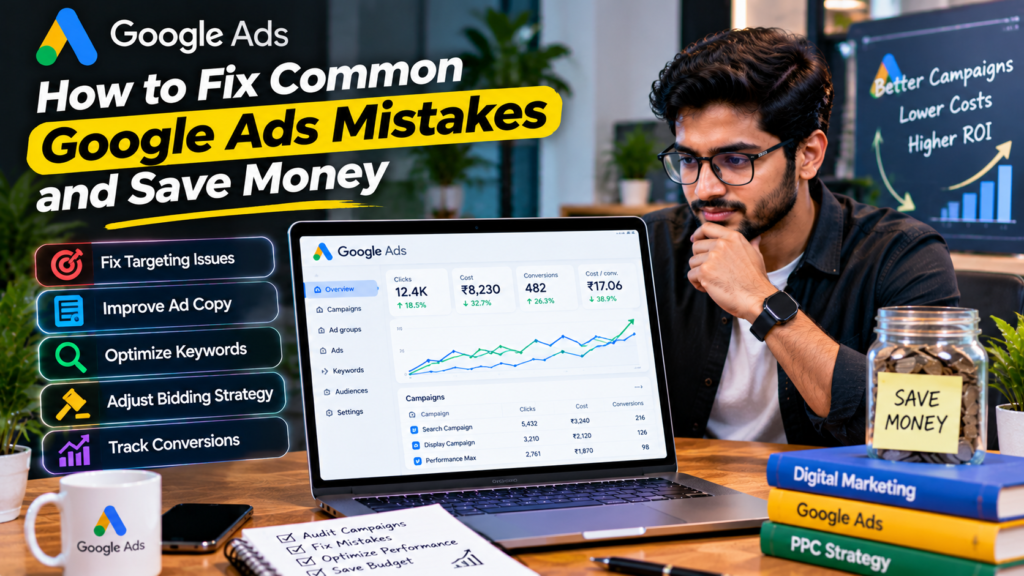
You must manage your ad spend with great care today. Therefore, you should learn to spot common Google Ads mistakes. Truly, many businesses lose money because they miss simple settings. Consequently, you can save your budget by fixing these errors right now. Many people think that spending more money leads to more sales. But, the reality is that smart settings matter more than a big budget. Always remember, a well run ad campaign is a strong signal for any search engine. This ensures that your brand reaches the right people at the right time. This approach requires you to check your data and adjust your bids. It helps you build a much more profitable business for the long term. It makes your daily marketing feel much more stable and very effective. Phase 1: Fixing Broad Match Keyword Issues First, you must look at your keyword match types. Why do broad match keywords drain your budget so fast? Clearly, these settings tell Google to show your Google ads for any related search. Therefore, you often pay for clicks that have nothing to do with your product. Steps to Control Your Keyword Spend Here are several ways you can tighten your keyword targeting: Truly, these changes keep your money focused on the best leads. But, you must also keep an eye on your search volume to ensure people still find you. This keeps your traffic high while keeping your costs very low. It creates a very efficient and high standard for your ad account. Phase 2: Optimizing Your Landing Page Experience So, what happens after a user clicks on your expensive ad? Truly, a bad landing page is a major reason why budgets go to waste. Consequently, the user leaves your site fast and you still have to pay for the click. It acts as a leak in your sales funnel that you must plug. How to Improve Your Page for Better Sales Here is how you can make your landing pages work harder for you: Furthermore, this improves your search engine score by giving users exactly what they want. It makes your brand look very professional and ready for 2026. This ensures that your ad spend turns into real revenue for your company. It creates a very fast and clear path for your customer journey. Phase 3: Setting Better Location and Time Targets The third phase moves your focus to where and when your ads appear. Clearly, showing ads in the wrong city or at 3 AM can waste your funds. Therefore, you should use data to find the best times to show your message. Why Smart Targeting Saves Your Budget Firstly, you can stop your ads from showing in countries where you do not ship. This allows you to save your daily budget for your best local customers. Secondly, you can lower your bids during the hours when your office is closed. Furthermore, you can increase your bids in cities where you have the most sales. Also, you can see exactly which devices your customers use in your reports. Lastly, remember that precise targeting helps your search engine trust and ad rank. Truly, geo targeting is the best way to handle a small budget safely. It allows you to reach the best people without spending too much. This is why top firms check their location reports every single day. Phase 4: Avoiding the Trap of Smart Campaigns The fourth phase looks at the automated settings inside the Google platform. Clearly, letting the AI make every choice can lead to high costs and low results. Therefore, you must take back control of your account settings to save money. How to Manage Your Own Ad Strategy Firstly, avoid the default smart campaigns if you want to see detailed data. This helps you understand exactly where every cent of your money goes. Secondly, set your own manual bids for your top performing ad groups. Furthermore, give the system a clear goal like a lead or a sale. Also, tell the system to focus on your own site rather than the search partners. Lastly, check your search engine ranking to see how your ads help your brand. Truly, a human touch is your best tool against automated waste. It turns you into a partner who guides the AI toward better results. This ensures your business stays profitable and grows from the inside out. Best Practices: Audit Your Google Ads Every Week Managing your ads is a task that needs constant attention from you. It needs you to look at your data and cut out what does not work. Clearly, a good ad account is never finished and always needs a tweak. Therefore, follow these simple tips to keep your budget safe and your sales high. Simple Tips for Long Term Ad Success Firstly, check your quality score every week and try to make it higher. This helps you get better ad spots for a lower price than your rivals. Secondly, make sure your conversion tracking is working perfectly every day. Furthermore, write new ad copy to test against your old winning ads. Also, use simple words in your ads so everyone knows what you sell. Lastly, check your search engine data to see which ads bring the best fans. Truly, fixing these mistakes is a journey that leads to a better brand. It builds a path of profit that lets your team grow very fast. This secures your future in the digital world for a long time. Frequently Asked Questions (FAQs) Q1: Why is my Google Ads budget spending so fast? This usually happens because of broad match keywords or showing ads in too many locations at once. Q2: Will a high quality score lower my costs? Yes, a higher quality score means Google will charge you less for every single click you get. Q3: Do I need to use negative keywords? Yes, negative keywords are vital because they stop your ads from showing for irrelevant searches. Q4: Should I run my Google […]

Brand Markeing, Branding, content strategy, Engagement, Google, Instagram, Leads Generation, Marketing, PPC Ads, Search Engines, SEO, SEO Marketing, Strategies

How to Handle a Search Engine Update Without Losing Traffic

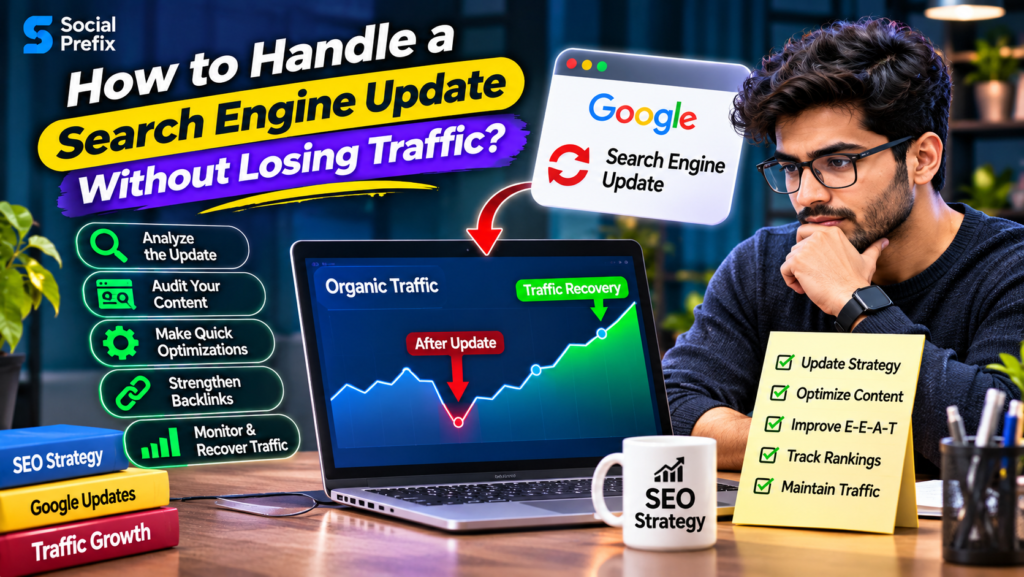
Search engine work hard to find the most helpful pages for their users. Therefore, they release core updates several times throughout the year. Truly, the December 2025 update has shifted the rankings for many popular sites. Consequently, you might see a small change in your daily visitor numbers right now. Some site owners feel scared when they see a dip in their data. But, you should view this as a chance to make your website even better. Always remember, Google wants to reward original and expert voices. This ensures that the web stays a trustworthy place for everyone. It also means you have a clear path to get your top spots back. This approach requires a calm look at your recent performance stats. It helps you build a more stable brand for the years ahead. It acts as a shield against any future algorithm changes. Phase 1: Analyzing the Impact with Search Console First, let us look at how the update truly affected your site. Why is it important to wait at least a week before making changes? Clearly, rankings can move up and down while an update is still rolling out. Therefore, you must use Google Search Console to see the full story. Key Metrics to Monitor After an Update Here are several things you should check in your performance report: Truly, this data tells you exactly where you need to focus your work. But, you must stay patient until the update is fully finished. This keeps your analysis accurate and prevents any unnecessary panic. Phase 2: Boosting Your Experience and Expertise So, why does Google care so much about your personal knowledge? Truly, the 2026 guidelines focus on real world experience more than ever. Consequently, generic content is being replaced by expert insights. It acts as a filter to keep the most reliable info at the top. How to Improve Your E-E-A-T Signals Here is how you can show Google that you are a trusted source: Furthermore, this tells the system that your site provides real value. It makes your brand stand out from low quality or mass produced content. This ensures that your pages stay relevant for a very long time. It creates a strong bond of trust with both Google and your readers. Phase 3: Fixing Technical SEO and Site Speed The third phase is about making sure your site runs smoothly. Clearly, a slow or broken website will struggle to rank in the modern era. Therefore, you must fix any technical errors that might be slowing you down. Essential Tech Checks for Ranking Recovery Firstly, test your Core Web Vitals scores. These metrics measure how fast and stable your pages feel to a user. Secondly, ensure your mobile design is perfect. Most people now browse the web using their smartphones. Furthermore, fix any broken links or 404 errors. Google does not like sending users to pages that do not exist. Also, check your site security and HTTPS status. A safe site is a top priority for search engines today. Lastly, clean up your internal linking structure. This helps Google find and understand your best content much faster. Truly, a solid technical foundation is vital for any successful website. It allows your great content to reach the right audience easily. This is why you should audit your site tech every single month. Phase 4: Updating and Pruning Your Content The fourth phase involves looking closely at your existing pages. Clearly, some of your older content might be holding your site back. Therefore, you must decide which posts to update and which ones to remove. How to Handle Low Performing Pages Firstly, identify pages with very low traffic and engagement. These are often called thin content pages by SEO experts. Secondly, decide if a page can be improved. Adding new data and better images can often save a failing post. Furthermore, merge similar pages into one big guide. This prevents your own pages from competing against each other. Also, remove content that is no longer helpful or accurate. Having fewer high quality pages is better than having many weak ones. Lastly, optimize your titles for what users want to find. Make sure your headlines match the actual intent of the searcher. Truly, a lean and focused website is much easier for Google to rank. It shows that you value quality over quantity in everything you publish. This lead to a much faster recovery after any major update. Best Practices: Staying Safe in the Years Ahead Future proofing your site is the best way to handle any algorithm shift. It needs a shift in how you plan your daily content. Clearly, following the rules of today is better than chasing the tricks of yesterday. Therefore, follow these tips to keep your traffic growing. Strategies for Long Term SEO Success Firstly, always write for your human readers first. If people love your site, the search engines will follow their lead. Secondly, create content that answers specific questions. Users want quick and accurate solutions to their problems. Furthermore, build a strong brand beyond just search results. Use social media and email lists to stay connected with your fans. Also, keep an eye on the latest search news and trends. Knowing what is coming helps you adapt before the update hits. Lastly, invest in original research and unique data. This makes your site a go to source for others in your industry. Truly, a helpful and honest website is very hard to replace. It creates a lasting asset that brings you value every single day. This secures your online presence and your business growth. Frequently Asked Questions (FAQs) Q1: Does a drop in traffic mean my site is being punished? No, a drop usually means that Google has found other content that fits the user’s needs better. It is a sign that you need to update your content to meet the new standards. Q2: How long does it take for rankings to come back? Recovery can take anywhere from a […]

AI Advertising, Content Automation, content strategy, Digital Marketing, E-commerce, Engagement, Google, Leads Generation, Marketing, SEO, SEO Marketing, Strategies

How to Find More SEO Wins with Smart Tech

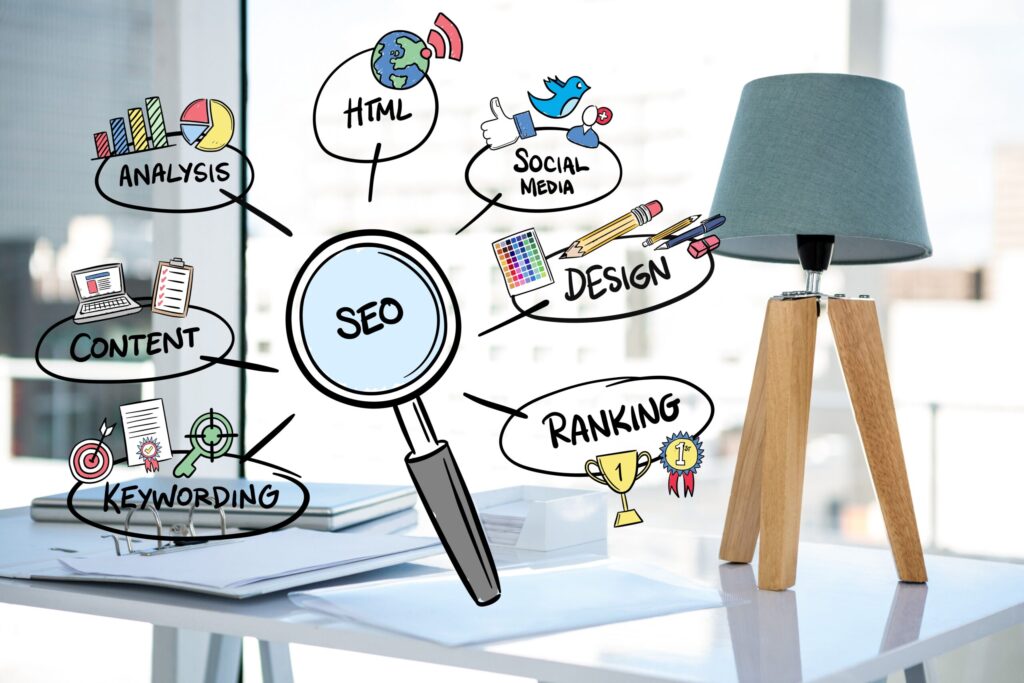
Search Engine Optimization (SEO) changes very fast. Therefore, businesses must always find new ways to win. But, AI is now changing the game completely. Truly, it offers powerful tools for better SEO work. Some companies still use old SEO methods. But, this makes them fall behind quickly. Consequently, using AI is not an option anymore. It is a need. Always remember, AI-powered SEO helps you understand your market better. It also makes content creation much faster. This ensures you always stay ahead of your rivals. It also brings more people to your website. This approach boosts your online presence greatly. It secures your spot at the top of search results. The SEO Race: Why Traditional Methods Are Not Enough First, let us talk about the big SEO race. Why are old ways of doing SEO failing? Search engines like Google are much smarter now. Clearly, they want top-quality content. Therefore, you must use every advantage you can get. Limits of Old SEO Practices Here are several reasons why old SEO tactics might not work: Truly, these limits make it hard to compete. But, AI offers a new path. It makes your SEO efforts much stronger and faster. What is AI-Powered SEO? Your Competitive Edge So, what exactly is AI-Powered SEO? It means using Artificial Intelligence to make your SEO better. Truly, it helps you do things faster and smarter. It finds patterns in data and also gives you advice. It acts as your super-smart SEO assistant. Key Ways AI Transforms Your SEO Work Here is how AI changes the SEO game for the better: Consequently, AI-Powered SEO gives you a huge advantage. It makes every SEO task more effective. This ensures you always lead the market. It keeps you many steps ahead of everyone else. Pillar 1: AI for Keyword Research and Content Planning The first pillar is all about finding the best keywords. It also helps with planning your content. AI can look at millions of data points. Clearly, this means it finds keywords human teams might miss. Therefore, it makes your content strategy much stronger. Smart Keyword Discovery and Topic Generation Firstly, use AI keyword tools to find “latent semantic indexing” (LSI) keywords. These are related terms that search engines expect to see. They make your content richer. Secondly, use AI to analyze competitor keywords. AI can find the exact keywords your top rivals rank for. This helps you target them. Furthermore, use AI to spot keyword gaps. AI tools show you keywords where your competitors are weak. You can then create content for those gaps. Also, use AI to generate content topic clusters. AI can suggest many related topics. These topics can all link together. This builds authority for your site. Lastly, use AI to predict keyword trends. AI can look at past data. It can guess what keywords will become popular next month or next year. Truly, AI makes keyword research deeper. It also makes content planning more precise. This ensures your content always hits the mark. Pillar 2: AI for Content Creation and Optimization The second pillar focuses on making great content. It also helps optimize your articles. AI can write parts of your content. It can also suggest improvements. Clearly, this speeds up your writing process a lot. Therefore, you can produce more high-quality articles. Writing and Perfecting Content with AI Firstly, use AI writing assistants to brainstorm ideas. They can give you outlines for blog posts very fast. Secondly, use AI to write first drafts. AI tools can generate entire sections of text. You then edit and improve them. Furthermore, use AI to optimize readability. AI tools check your sentences. They tell you if they are too long or hard to understand. Also, use AI for on-page SEO suggestions. AI can check your content. It can tell you where to add keywords. It can also tell you how to structure headings. Lastly, use AI to create unique meta descriptions and titles. AI can quickly write catchy titles. It can also write descriptions that attract clicks. Truly, AI makes content creation faster. It also makes it more effective. This helps you rank higher with less effort. Pillar 3: AI for Competitive Analysis and Performance Tracking The third pillar is about watching your competitors. It also helps track your own performance. AI can process huge amounts of data. Clearly, this gives you insights you cannot get by hand. Therefore, it helps you react quickly to market changes. Monitoring Rivals and Measuring Your Success with AI Firstly, use AI competitor analysis tools to track their backlinks. AI can find new links your rivals get. This helps you find new link opportunities. Secondly, use AI to monitor competitor content updates. AI can tell you when a rival changes an article. This helps you update your own content. Furthermore, use AI for sentiment analysis of reviews. AI can read customer reviews for your brand and competitors. It tells you what people like and dislike. Also, use AI for predictive analytics on your rankings. AI can look at your current position. It can guess how your rank will change in the future. Lastly, use AI to automate reporting. AI tools can gather all your SEO data. They can create easy-to-read reports. Truly, AI makes competitive analysis smarter. It also makes performance tracking more efficient. This ensures you always know where you stand. It also tells you what to do next. Best Practices: How to Implement AI-Powered SEO Effectively Implementing AI-powered SEO needs more than just tools. You must have a clear plan. You must also train your team. Clearly, a smart approach brings the best results. Therefore, follow these steps for successful AI adoption. Strategies for Winning with AI in SEO Firstly, start small with one or two AI tools. Do not try to use everything at once. Pick tools for keyword research or content writing first. Secondly, train your team members. Teach them how to use AI effectively. Show them the benefits. Furthermore, always review AI output. […]

AI Advertising, Brand Markeing, Branding, Engagement, Google, Google Ads, Leads Generation, Strategies

Boost Your Landing Page With Simple Strategies

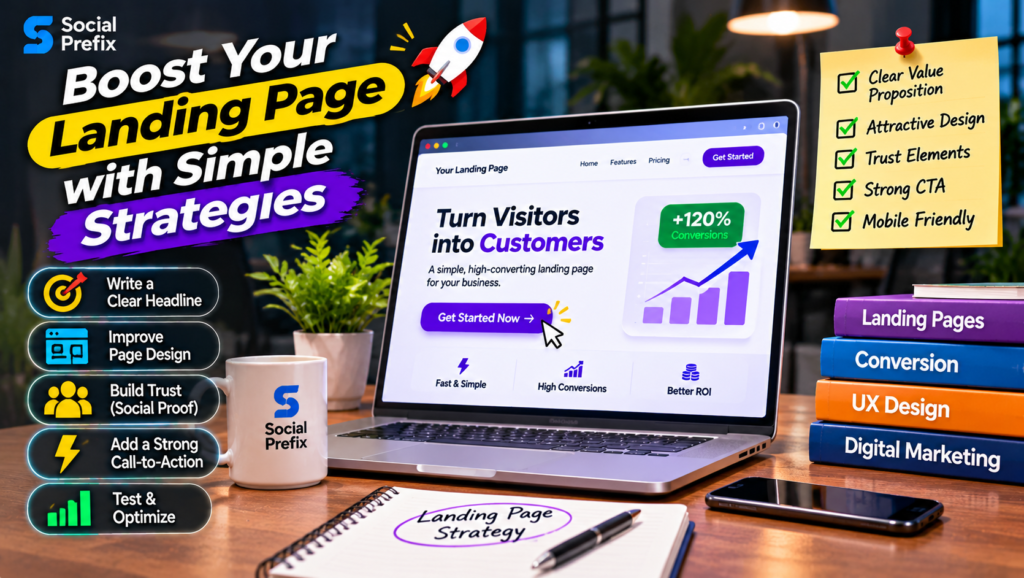
You spend money on online ads every day. Therefore, you want every click to count. However, many businesses drive traffic to poor landing pages. Consequently, they waste their money easily. The key to high success is Landing Page Optimization (LPO). Truly, LPO is the process of improving your landing page. This improvement helps increase the number of visitors who take action. Some people think a good ad is enough. But, this is not true. A great ad gets the click. Yet, the landing page gets the conversion. If the landing page is confusing, visitors leave fast. Furthermore, this raises your advertising cost. Always remember, a well-optimized landing page matches the ad message perfectly. Thus, by focusing on clear design and strong messaging, you can turn more clicks into customers. Also, this lowers your cost. Moreover, it grows your business faster. The Conversion Gap: Why Clicks Fail to Convert First, let’s understand why so many ad clicks fail to convert. This difference between clicks and conversions is the conversion gap. Furthermore, it is often a big problem. Clearly, fixing this gap is vital for campaign success. Therefore, you must look closely at what happens after a visitor arrives on your page. Common Landing Page Mistakes Mistakes on the landing page are often the reason for low conversions: Landing Page Optimization fixes these issues. It simplifies the experience. It also builds trust. Moreover, it makes the next step very clear. What is Landing Page Optimization (LPO)? Your Conversion Engine So, what exactly is Landing Page Optimization (LPO)? It is a continuous process of testing and improving elements on your page. The goal is to increase the page’s conversion rate. Truly, LPO is about making the visitor’s journey as smooth as possible. It removes friction. It also builds desire. Key Principles of an Optimized Landing Page Here are the four key principles of LPO: Truly, LPO turns your landing page into a dedicated conversion engine. It focuses the visitor’s attention only on the single desired action. Pillar 1: Message Match – Closing the Consistency Loop The first and most important step in LPO is message match. This means the message on your landing page must be the same as the message in your ad. Clearly, this creates a sense of continuity. Therefore, it assures the visitor they are in the right place. Matching Ad Text to Landing Page Copy Firstly, use the exact same headline on the landing page that you used in the ad. If the ad says “50% Off Software,” the page headline must say “Get 50% Off Our Software Today.” Secondly, match the visuals. Use the same colors, logos, and product images from the ad on the landing page. This helps create instant recognition. Furthermore, match the tone and value proposition. If the ad promised a free guide, the landing page must focus only on downloading that guide. Do not mention other products. Also, eliminate all distractions. Remove the main navigation menu, footer links, and external links. Consequently, the only clickable button should be the main Call to Action (CTA). Lastly, highlight the benefit. Quickly tell the visitor what they will gain by converting. Use short, bulleted lists for easy reading. Truly, perfect message match instantly reduces visitor confusion. This keeps them engaged. It also makes them ready to complete the conversion. Pillar 2: Technical Speed and Trust Signals The second pillar focuses on the technical side of LPO. This includes page speed and trust elements. Clearly, a slow page loses visitors instantly. Trust is also non-negotiable for online conversions. Therefore, optimizing these elements is crucial. Improving Load Times and Building Confidence Firstly, test your page speed. Use tools like Google PageSpeed Insights. Focus on making your page load in under three seconds. Furthermore, every second lost means fewer conversions. Secondly, optimize images. Compress all images on the page. Use the right file format (like WebP) to ensure fast loading times. Furthermore, use trust seals and badges. Include security seals like McAfee or Norton. Also, show payment logos if you are selling a product. This builds immediate confidence. Also, add social proof. Include customer testimonials, client logos, or product ratings. Show real people getting real results. Lastly, ensure your page is mobile-friendly. Most ad traffic comes from phones. The page must look perfect. It must also load fast on small screens. Truly, a fast-loading page combined with strong trust signals convinces visitors easily. It shows your offer is legitimate and reliable. Pillar 3: Optimizing the Call to Action (CTA) The third pillar is the Call to Action (CTA). This is the single most important element on your page. The CTA tells the visitor what to do next. Clearly, a weak or unclear CTA will cause conversion failure. Therefore, you must make the CTA stand out. You must also use persuasive language. Making the Next Step Unmistakable Firstly, make the CTA button prominent. Use a contrasting color (like green or orange) that jumps off the page. Make it large enough to click easily. Secondly, use specific, action-oriented text on the button. Instead of “Submit,” use phrases like “Get My Free Ebook Now” or “Start My Free Trial.” This increases desire. Furthermore, place the CTA above the fold. Visitors should see the main button without having to scroll down. Repeat the CTA at the bottom of the page for long-form content. Also, simplify the conversion form. Ask only for the essential information. If you only need an email address, do not ask for a phone number or company size. Every extra field reduces conversions. Lastly, use directional cues. Use arrows or visual elements that point the visitor’s eye directly to the CTA button or the form. Truly, by making your CTA specific, visible, and easy to use, you guide the visitor toward the desired outcome effortlessly. Best Practices: Testing and Iterating Your Landing Page Landing Page Optimization is a continuous cycle. It does not end after the first launch. You must always test and improve. Clearly, small changes can lead to […]

Brand Markeing, Branding, Engagement, Google, Instagram, Leads Generation, Marketing, SEO, SEO Marketing, Strategies

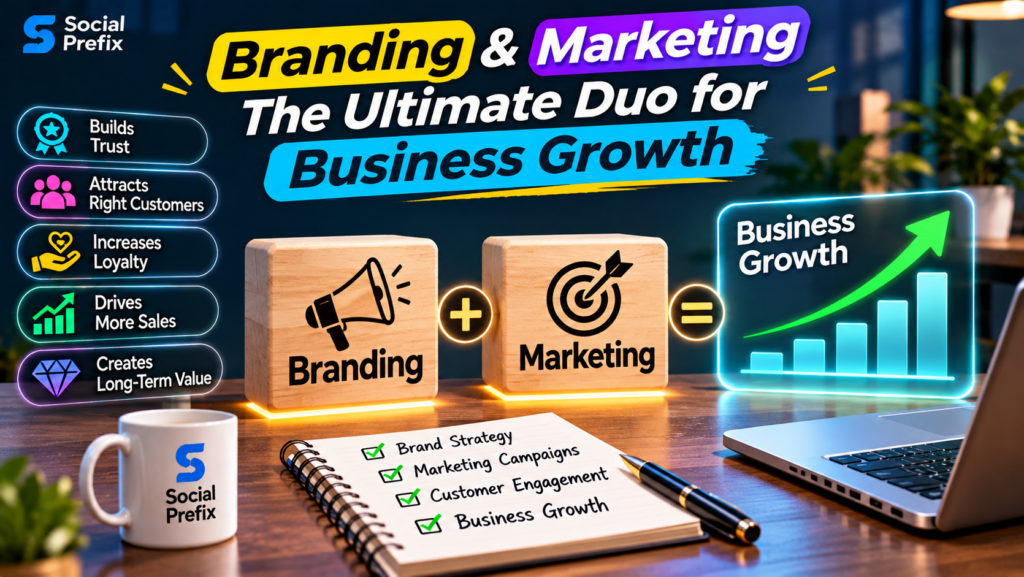
Branding & Marketing: The Ultimate Duo for Business Growth

Every business wants to grow. Thus, it needs customers. Many people think “branding” and “marketing” mean the same thing. However, they are very different. They work together. Truly, one cannot reach its full potential without the other. Therefore, understanding their roles is key for any company that wants to scale big. Some businesses focus only on marketing. They run ads. They try to get quick sales. But, they forget to build a strong brand. Consequently, their customers might buy once. Yet, they do not stay loyal. Other businesses focus only on branding. They create a nice logo. They also have a good story. However, they do not tell anyone about it. Always remember, both branding and marketing are vital. Branding builds your identity. Marketing tells your story. By using both wisely, your business can attract more customers. Furthermore, it can also keep them. This leads to lasting growth. The Core Difference: Who You Are vs. How You Tell It First, let’s clearly define each term. Branding is about who your business is. It is its soul. Marketing is about how you tell people about who you are. It is the actions you take. Clearly, they are partners, not rivals. Therefore, knowing their distinct roles helps you use each one better. What is Branding? Your Business’s Identity and Promise Branding is much more than a logo. It is the overall feeling people get about your company. It is what makes you different from others. Here are the key parts of branding: Think of branding as building a person’s character. It is their personality. It is how others see them and what they expect. A strong brand creates trust. It also makes people feel connected. What is Marketing? Telling Your Story to the Right People Marketing is the active process of promoting your business. It is about reaching out. It is about getting customers to buy. Here are the key parts of marketing: Think of marketing as telling that person’s story. It is using different ways to share their best qualities with others. Marketing pushes your message out. It aims for direct action. Why Branding Comes First: The Foundation of Trust While both are important, branding usually comes before marketing. It sets the stage. It provides the meaning. Truly, without a clear brand, marketing efforts often fall flat. A strong brand is like the sturdy foundation of a house. Building Trust and Recognition Firstly, branding creates recognition. Your logo, colors, and voice make you easy to spot. This helps people remember you. When they see your ad, they know it is you. Secondly, branding builds trust. A consistent message and look show you are reliable. People trust what they recognize. This trust is vital before they even think about buying. Furthermore, branding sets expectations. Your brand promise tells customers what to expect. If you promise high quality, they expect high quality. Marketing then shows how you deliver on that promise. Also, branding attracts the right customers. Your brand’s values draw people who share those values. This creates a stronger connection. They are more likely to become loyal. Truly, a solid brand makes all your marketing efforts much more effective. It gives your marketing a clear direction and a strong message to share. How Marketing Brings Your Brand to Life: Reaching the World Once you have a strong brand, marketing takes over. It uses the brand’s identity and message. Then, it spreads it to the world. Clearly, marketing is the engine that drives awareness and sales. Therefore, even the best brand needs active marketing to grow. Spreading Your Message and Driving Sales Firstly, marketing communicates your brand story. You have a mission and values. Marketing finds the best ways to tell people about them. It uses ads, social posts, and videos to share your unique message. Secondly, marketing reaches your target audience. You know who your ideal customer is. Marketing uses specific channels (like Facebook ads or industry blogs) to find and connect with those people directly. Furthermore, marketing drives traffic and leads. It encourages people to visit your website and makes them sign up for your emails. It gets them to call you. These actions turn interested people into potential customers. Also, marketing generates sales. Ultimately, all marketing efforts aim to convert interest into purchases. It uses special offers, clear calls to action, and persuasive content to move people to buy. Truly, marketing is the active arm of your business. It takes the strong character built by branding and introduces it to everyone who needs to know. Why You Need Both to Scale: The Power of Synergy Successful growth, or scaling, demands both branding and marketing working together. They create a powerful synergy. They build a cycle of recognition, trust, and sales. Clearly, relying on just one side will always limit your growth. Therefore, a balanced approach is key to reaching new heights. The Cycle of Growth: Brand Fuels Marketing, Marketing Builds Brand Firstly, branding provides the consistent message for marketing. Imagine running ads with a different look and message every time. This would confuse people. A strong brand gives marketing a clear, unified voice. This makes every marketing dollar work harder. Secondly, marketing amplifies your brand. Every ad, every social post, every email spreads your brand’s name and message. The more people see your marketing, the more they become familiar with your brand. This builds reputation and recognition even further. Furthermore, strong branding leads to higher marketing ROI (Return on Investment). When people trust your brand, they are more likely to respond to your ads. They convert more easily. This means your marketing campaigns get better results for the same cost. Also, marketing helps you reach new audiences. Your existing brand might be known by some. However, marketing pushes your message to new groups of people who might not know you yet. This expands your reach. Lastly, a great brand supports customer loyalty. Customers who feel connected to your brand are more likely to stay. They will buy again. They […]

content strategy, Digital Marketing, Engagement, Google, Influencer Marketing, Instagram, Leads Generation, SEO, social media marketing, Strategies

The Hidden Social Media Rule That Stops the Scroll

Every day, people see thousands of posts online. They scroll very fast through their social media feeds. Your business only has a few seconds to get their attention. If your post does not make them stop, they will keep moving. This is why creating a scroll-stopping post is so important. It is the first step to getting likes, comments, and new customers. This is not just luck. Instead, there is a real science behind it. Many people think getting attention online is hard. They just post pretty pictures and hope for the best. However, this often fails. Truly, you must use smart tricks and human psychology. You need to know what makes people pause their scrolling. Always remember, the goal is to make your content impossible to ignore. By using proven methods for hooks, visuals, and emotion, you can master the science of social media. This will make your posts stand out and grow your audience much faster. The Attention Battle: Why Stopping the Scroll is Key First, let’s understand the challenge. Social media is a battle for attention. People are easily distracted. They are also very busy. They see content from friends, family, and many businesses. Consequently, you have less than two seconds to make an impact. Clearly, if your post fails this test, your message is lost. Therefore, making someone stop scrolling is the most important job of any social media post. What Happens When People Scroll Fast? People scroll fast for a few reasons. They are looking for something interesting. They are also avoiding boring things. Their brains process images very quickly. They decide in a blink if something is worth their time. Here are the main problems you must fix: A scroll-stopping post solves these problems. It uses smart tricks to break the pattern and forces the eye to stop. It also promises a reward for slowing down. Truly, this is the first step toward building a real connection with your followers. Element 1: The Visual Hook – Your First 0.5 Second Chance The visual part of your post is the most important hook. It is your first chance to stop the scroll. People see the picture or video before they read any words. Clearly, your image or video must be bright, unique, and powerful. Therefore, focusing on the visual is the fastest way to get attention. Making Your Visuals Impossible to Ignore Firstly, use contrast and bright colors. Social media feeds are often white or gray. Your visual should pop against this background. Use bold colors that attract the eye instantly. Secondly, feature human faces and direct eye contact. People are naturally drawn to other faces. This is part of how our brains work. A clear, smiling, or surprising face is a great stop sign. Furthermore, use unexpected motion or big text. If your post is a video, the first 1-2 seconds must show movement or something surprising. If it is an image, use a big, easy-to-read headline right on the picture itself. This quick text gives instant context. Also, use high-quality visuals. Blurry or low-resolution pictures look unprofessional. They also signal low value. Truly, a sharp, clean visual hook tells the user your content is worth their time. By making your visuals stand out, you win the first crucial battle for attention. Element 2: The Headline Hook – The Power of the First Line Once the visual makes a person pause, the headline must keep them there. This is the very first line of your caption or text. Clearly, it must be compelling and promise an immediate reward. Truly, a weak first line will make the user scroll away instantly. Therefore, crafting a strong headline hook is essential for converting a pause into a real read. Headlines That Demand Attention Firstly, use the power of surprise or contradiction. Start with something unexpected. For example, “Stop Doing This One Thing” or “The Lie About Working Hard.” This creates a feeling of curiosity. People want to know the answer. Secondly, use numbers and lists. Headlines like “3 Simple Ways to…” or “7 Secrets to…” promise clear, easy-to-digest value. Our brains love organized information. Furthermore, use direct questions or personal statements. Ask a question that your target audience is already thinking about. For instance, “Are you making this common mistake?” Or, start with a statement that connects to their emotion, like “I used to struggle with this too.” Also, use strong, active words. Avoid weak language. Use words that suggest action or strong feeling, such as “Unleash,” “Warning,” “Discover,” or “Banned.” Truly, a powerful headline hook grabs the user by their interest. It convinces them that the information is relevant to their life, ensuring they read the rest of your valuable content. Element 3: The Psychology of Engagement – Why People React Scroll-stopping is not just about looks; instead, it is about triggering a psychological reaction. People stop scrolling because their brain tells them to. Clearly, the best content uses simple human emotions and needs to force that pause. Therefore, understanding the basic psychology behind social media use is key to creating engaging posts. Tapping into Core Human Needs Firstly, use the power of curiosity. People hate an information gap. They must know the answer. Start your post by showing a problem without the solution. Use words like “Wait till you see the end result” or “The secret is…” This strong pull makes them stop scrolling. Secondly, appeal to emotion. Content that makes people feel something—joy, anger, surprise, or sadness—is highly shared. Posts that inspire hope or make people laugh are great at stopping the scroll. Furthermore, use social proof and shared experience. People want to know what others are doing. Use language like “Everyone is talking about this” or “The method used by top performers.” This suggests they might miss out if they keep scrolling. Also, offer a quick solution to a pain point. If your headline promises to solve a common, annoying problem, people will stop. They want the fix right now. Truly, by […]

affiliate marketing, Blogging, content strategy, Digital Marketing, E-commerce, Engagement, Google, Instagram, Leads Generation, SEO, Strategies

How to Build a Social Media Strategy To Convert Followers into Clients

In today’s digital age, social media is far more than just a platform for sharing updates; instead, it’s a dynamic ecosystem where brands connect with their audience, build communities, and drive business growth. However, accumulating a large follower count is only half the battle. Truly, the ultimate measure of social media success lies in its ability to convert those followers into paying clients. This transformation requires a deliberate, strategic approach that moves beyond vanity metrics and focuses on tangible business outcomes. Therefore, understanding how to craft such a strategy is paramount for any business looking to monetize its social media presence. Many businesses mistakenly equate social media presence with sales. They post content, gain followers, and then wonder why their bottom line isn’t reflecting their online activity. This disconnect often stems from a lack of a clear conversion-focused strategy. Simply put, followers don’t magically become clients; instead, they need to be nurtured through a carefully designed journey that builds trust, demonstrates value, and gently guides them towards a purchasing decision. Always remember, social media is a relationship-building tool first and a sales tool second. By implementing a strategy that prioritizes engagement, value, and a clear call to action, you can turn your vibrant online community into a consistent source of revenue. The Core Problem: Beyond Vanity Metrics to Real Conversions To begin with, let’s address the fundamental challenge: moving beyond vanity metrics to real, measurable conversions. Many social media strategies get bogged down by focusing solely on superficial numbers like likes, shares, and follower counts. While these metrics can indicate reach and engagement, they often fail to translate directly into revenue. Consequently, businesses find themselves with a popular social media presence but a stagnant sales pipeline. Clearly, this disconnect highlights the need for a more strategic, outcome-driven approach to social media. Understanding the Follower-to-Client Journey Naturally, the journey from a casual follower to a loyal client is complex and requires multiple touchpoints. It’s rarely a direct jump from seeing a post to making a purchase. Instead, it typically involves several stages: Each of these stages requires a different type of content and a specific call to action. Truly, a conversion-focused social media strategy meticulously plans for this entire journey, nurturing followers at every step. Therefore, by understanding that social media is a funnel, not just a broadcast channel, businesses can create content and interactions that systematically guide their audience towards becoming valuable clients. Step 1: Define Your Target Audience and Their Needs Before you even think about posting content, the absolute first step in building a conversion-focused social media strategy is to deeply understand your target audience. Clearly, without this foundational knowledge, your efforts will be akin to shouting into the void, hoping someone relevant hears you. Truly, knowing who you’re trying to reach and what they need is paramount for creating content that genuinely resonates and ultimately converts. Therefore, invest significant time in this crucial discovery phase. Creating Detailed Buyer Personas Firstly, move beyond basic demographics and create detailed buyer personas. These are semi-fictional representations of your ideal clients, based on market research and real data about your existing customers. For example, consider their: Furthermore, understand their information consumption habits. Are they looking for quick tips, in-depth guides, inspirational stories, or behind-the-scenes glimpses? Do they prefer video, carousels, or written posts? By tailoring your content to their specific preferences and needs, you increase the likelihood of engagement and, critically, conversion. Always remember, successful conversion starts with relevance. Truly, when your content speaks directly to your audience’s challenges and aspirations, you naturally build the trust and connection necessary to move them from followers to clients. Step 2: Choose the Right Platforms and Optimize Your Profile Once you have a crystal-clear understanding of your target audience, the next critical step is to select the right social media platforms where they are most active. Clearly, trying to be everywhere at once is a recipe for diluted effort and minimal impact. Instead, a focused approach on the platforms where your ideal clients spend their time will yield far better results. Therefore, strategic platform selection is as important as the content itself. Making Your Profile a Conversion Hub Firstly, after selecting your platforms, optimize your social media profiles to serve as conversion hubs. Your profile is often the first place a potential client will go after engaging with your content. Ensure it’s professional, informative, and, most importantly, directs visitors towards your desired next step. For example: Furthermore, ensure your visual branding is consistent across all platforms. Use your brand colors, logos, and a consistent aesthetic. This creates a cohesive and professional image, building instant recognition and trust. Remember, your social media profile is a digital storefront; make it inviting and easy for potential clients to find what they need and take action. Truly, an optimized profile acts as a bridge, guiding interested followers seamlessly towards conversion. Step 3: Create Value-Driven Content for Each Funnel Stage With your audience defined and profiles optimized, the heart of your strategy lies in creating value-driven content that speaks to each stage of the follower-to-client journey. Clearly, generic content that aims for mass appeal rarely converts. Instead, your content must be tailored to nurture prospects, moving them gently from awareness all the way to a purchase decision. Therefore, a strategic content plan that addresses varying levels of intent is essential. Tailoring Content to Nurture Prospects Firstly, for the Awareness Stage, create content that educates, entertains, or inspires. This content should demonstrate your expertise and solve common pain points without being overtly salesy. Examples include: Secondly, for the Engagement and Interest Stages, provide deeper value and start positioning your solution. This content might include: Lastly, for the Consideration and Conversion Stages, your content should directly address buying intent. This is where you introduce clear calls to action: Step 4: Engage Authentically and Build Community While strategic content is crucial, social media is, at its core, about social interaction. Therefore, building a community and engaging authentically with your audience is […]

Scroll to Top