social media marketing

Brand Markeing, content strategy, content strategy, Digital Marketing, E-commerce, Education Marketing, SEO Marketing, social media marketing

Social Media Trends 2025: Where Should Businesses Invest Their Time?

The social media world changes very fast. It is hard for businesses to keep up. You need a clear plan. You must know where to put your time and your money. The focus is not about being on every single platform. Instead, you must be effective on the right platforms. You need to look closely at the biggest Social Media Trends 2025. This article will show you the key areas to invest in. We will look at trends that drive real business results. Businesses must stop treating social media as just a nice extra. It is now a core business driver which helps with sales. It builds trust and keeps customers happy. So, understanding the shifts is very important. You want to make smart choices. You want to use your resources wisely. Following the right Social Media Trends 2025 will help you win. Trend 1: The Continued Reign of Short Video Short video is still the most important content format. This is a very clear point in the Social Media Trends 2025. Platforms like TikTok are still growing fast. Instagram Reels are still very popular. YouTube Shorts gets massive views every day. Therefore, video content must be at the center of your strategy. Short videos grab attention quickly. They are perfect for people with short attention spans. You need to tell your brand story in 60 seconds or less. Your videos must entertain or teach something. Moreover, platform algorithms love short video. They push this content to new audiences. Because of this, short video is the best way to get new eyes on your brand. Investing in good video creation skills is a key part of the Social Media Trends 2025 plan. You should not focus on making videos perfect. Consumers want content that looks real. They prefer raw, unpolished videos. They like seeing the human side of your business. This is very important. Furthermore, you can repurpose long videos into many short clips. This saves time and resources. So, do not be afraid to hit record. Keep short video a priority for all of your Social Media Trends 2025 efforts. Trend 2: AI Becomes a Marketing Partner Artificial intelligence is no longer a future idea. It is here now. AI is changing how we create social media content. It is helping us understand our audience better. Consequently, AI is one of the most powerful Social Media Trends 2025. Businesses must start using AI tools every day. AI can help you create content drafts. It can suggest new post ideas. It can also write different caption options very quickly. This saves your team many hours of work. Moreover, AI can help you with data. It can look at your analytics fast and can tell you which posts work best. It can also predict future trends. This allows you to make better marketing choices. You must remember that AI should not replace people. AI is a tool. You use it to make your work better and faster. You still need to add your brand’s unique voice and personality. This human touch is vital for authenticity. In addition, you must be careful about content quality. Use AI to start the process. Use your team to finish and perfect it. Using AI wisely will give you an edge in the competitive Social Media Trends 2025 landscape. Trend 3: Community Over Public Reach Social media used to be about getting millions of followers. That is no longer the main goal. The focus has shifted to small, engaged communities. This is a crucial element of the Social Media Trends 2025. Users want to feel like they belong somewhere. They want real connections, not just a big audience. Private groups and direct messages are now more important. WhatsApp, Discord, and private Facebook groups are key. These spaces let you talk directly to your most loyal customers. You can answer their questions, can ask for feedback or can also make them feel special. This kind of deep engagement builds strong brand loyalty. It is worth more than a million casual followers. Your investment should move from shouting to talking. Hire people who are good community managers. They must be active in these smaller spaces. They must listen to what customers say. Consequently, they can solve problems quickly. They can also turn loyal fans into brand advocates. Therefore, investing in community is a smart, long-term strategy for the Social Media Trends 2025. Trend 4: Social Media as a Search Engine Users are now using social platforms to search for things. They are not always going to Google first. This is a massive shift in user behavior. It is a very important part of the Social Media Trends 2025. Young people, especially, use TikTok and Instagram like a search bar. They look for product reviews, for restaurant recommendations or for how-to guides. Because of this, you must change how you create content. Your content must be searchable. You need to use keywords in your video captions or use keywords in your on-screen text. You should also use relevant hashtags. If a customer searches for “best coffee maker review,” your video should appear. This is called social search optimization. Social search is different from Google SEO. It needs video, quick answers and authenticity. You must think about what your audience searches for on these apps. Then, you create video content to answer those questions. In addition, you must create content with clear titles. This makes it easy for the platform’s search function to find your post. Mastering social search will help you get found naturally in the Social Media Trends 2025. Trend 5: Authenticity and User-Generated Content The era of perfect, highly edited brand photos is over. Consumers want realness. They want transparency. This desire for authenticity drives one of the biggest Social Media Trends 2025. Polished content often looks fake or staged. It makes people scroll past it. You need to show the human side of your business. Show behind-the-scenes moments. Introduce your team members. Share your company’s […]
affiliate marketing, Brand Markeing, content strategy, content strategy, Digital Marketing, E-commerce, Search Engines, seo for education websites, SEO Marketing, social media marketing

Technical SEO Checklist for Websites (Rank on Google)

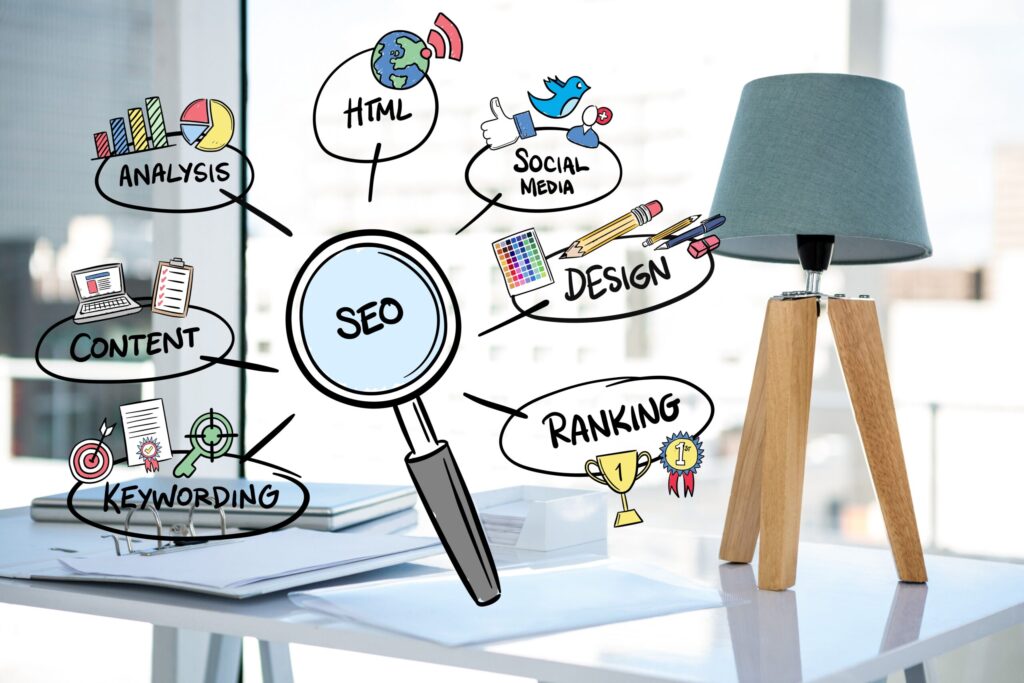
Technical SEO: Your Website’s Ranking Blueprint Every website, however, wants to rank highly. Google’s search results are, after all, very competitive. Many people focus only on keywords. Conversely, technical SEO is often overlooked, therefore. It is, consequently, a crucial foundation for success. This aspect directly impacts search engine visibility. Without it, even great content might simply struggle. This blog post offers a key checklist now. Technical SEO, essentially, optimizes your website’s backend. It ensures search engines can crawl it well. Furthermore, it helps them understand your content easily. This involves many different, critical factors. Consequently, we will explore these areas closely. Indeed, each step helps your site perform better. This, therefore, translates directly to higher rankings. Let us, then, dive into the specifics now. 1. Website Structure and Crawlability First of all, your website’s structure must be very clear. Search engines, by all means, need easy access. A logical hierarchy helps them understand, furthermore. Conversely, a messy structure confuses the bots. This can prevent proper indexing, ultimately. Proper crawlability is the initial step, therefore. XML Sitemaps are crucial, accordingly. They act as a helpful roadmap for search engines. Ensure your sitemap is always up-to-date. Also, submit it to Google Search Console. This helps Google find all your important pages. Furthermore, check for any broken links always. These hinder crawling efforts significantly. Thus, a clean sitemap is absolutely vital. Robots.txt files, moreover, control crawling behavior. This file tells bots what to access. It prevents them from certain, unnecessary sections. Make sure it is configured correctly. A faulty file can block important pages. This stops them from ranking entirely. Therefore, verify your robots.txt carefully now. URL structure, furthermore, must be optimized well. Keep URLs short and very descriptive. Use your focus keywords when possible. Avoid long, confusing text strings. Clear URLs help both users and bots. They indicate content relevance clearly. Consequently, a good URL structure is essential always. 2. Mobile-Friendliness and Responsive Design Mobile devices, by all means, dominate internet usage. Therefore, your website must be mobile-friendly. Google, consequently, uses mobile-first indexing. This means your mobile site is paramount, indeed. A poor mobile experience hurts your rankings. It also frustrates your potential visitors greatly. Responsive design is the best approach, however. Your site adapts to all screen sizes easily. Content flows seamlessly across all devices. This ensures a consistent user experience. No more difficult pinching or zooming, consequently. Furthermore, Google prefers this method greatly. It simplifies crawling for their search bots. Thus, responsive design is a must-have now. Test your site regularly for mobile issues. Google offers a free, mobile-friendly tool. It highlights any problems very clearly. Fix slow loading times on mobile, accordingly. Optimize images for much smaller screens. Ensure all tap targets are large enough. Therefore, a flawless mobile experience is key. It directly influences your overall ranking performance. 3. Site Speed and Core Web Vitals Website speed is, certainly, extremely important. Users expect fast-loading pages always. Google, consequently, uses speed as a key ranking factor. Slow sites annoy visitors and also search bots. This leads to higher bounce rates, certainly. Optimizing speed is a continuous effort, moreover. Core Web Vitals are Google’s metrics now. They measure user experience directly. These include LCP, FID, and CLS scores. Largest Contentful Paint (LCP) tracks loading speed. It measures when the main content appears. First Input Delay (FID) checks interactivity quickly. It measures response to user actions. Cumulative Layout Shift (CLS) checks stability. It measures unexpected content shifts, therefore. Improve these vitals for better ranking. Optimize all your images first of all. Compress them without losing much quality. Leverage browser caching effectively now. Use a Content Delivery Network (CDN) also. This delivers content faster globally. Furthermore, minify CSS, JavaScript, and HTML. Reduce server response times drastically. Therefore, a fast site is a ranking advantage. It greatly enhances overall user satisfaction. 4. Secure Sockets Layer (SSL) – HTTPS Website security is non-negotiable today, moreover. Users expect a safe browsing experience. Google, furthermore, prioritizes secure websites highly. HTTPS is a clear ranking signal, consequently. It encrypts data between server and browser. This protects sensitive user information. Conversely, old HTTP sites look “not secure.” Implement an SSL certificate immediately. This switches your site from HTTP to HTTPS. Ensure all internal links use HTTPS. Update any hardcoded HTTP URLs now. Redirect all old HTTP pages to HTTPS ones. This preserves your SEO value consistently. Furthermore, monitor your certificate’s expiry date. Renew it before it runs out completely. Therefore, HTTPS is fundamental for trust. It boosts both security and search ranking. 5. Schema Markup and Structured Data Schema markup, consequently, helps Google understand. It provides clear context to your content. This is structured data that you can add. It helps search engines interpret meaning. For example, tell Google about your recipe. Or, explain product details very clearly. This leads to much richer search results. Rich snippets are a direct benefit, consequently. Your search listings become more prominent. They show extra information in the results. For instance, star ratings or product prices. This attracts more clicks from users. It increases your click-through rate (CTR). Furthermore, Google loves this added context. It helps them serve better, accurate results. Implement schema markup very carefully. Use Google’s Structured Data Markup Helper. Test your implementation with their testing tool. Ensure there are no errors present. Focus on relevant schema types, accordingly. Examples include Article, Product, Review, or FAQ. Therefore, schema markup is a powerful tool. It elevates your site’s presence greatly. 6. Canonicalization and Duplicate Content Duplicate content causes many serious issues. Search engines dislike seeing it often. It confuses them about the original source. This can dilute your ranking power greatly. Canonicalization solves this problem directly. It tells Google your preferred page version now. Use canonical tags effectively, therefore. Point duplicate pages to the original one. This consolidates link equity properly. For instance, product pages with many URLs. Or, pages with and without “www.” Ensure all versions point correctly. Furthermore, check for content syndication issues. If you republish content, use […]

social media marketing

Instagram Marketing: Tips for Success in 2023

Instagram marketing has evolved dramatically over the years, and in 2023 it’s more important than ever to stay abreast of the latest ways to succeed. Here are some valuable tips to help you get the most out of Instagram for your business or personal brand. Benefits of Instagram Shopping: Instagram’s shopping features have become very popular. Make sure to set up your Instagram Shop, tag items in your posts, and use shoppable stickers in Stories. This makes the buying process easier and can increase your sales. Video content is king: In a short attention span, video content reigns supreme. Create interesting videos, shorts, reels, and IGTV stories. Be honest and tell a story that resonates with your audience. Work with influencers: Working with influencers can help you reach a wider and more engaged audience. Find influencers whose followers align with your target market and collaborate on campaigns. Engage with stories: Instagram stories are a fantastic way to connect with audiences on a more personal level. Use polls, questions and interactive features to increase engagement. Post Consistently: Maintain a consistent posting schedule. Whether it’s daily, a few times a week, or a specific pattern that works for your audience, consistency helps keep your followers engaged. Use Hashtags Strategically: Hashtags are still relevant. Use a mix of trending and niche hashtags relevant to your content. Create a branded hashtag to encourage user-generated content. Diversify content: Don’t just focus on promotions. Share behind-the-scenes glimpses, user-generated content, and stories that reflect your brand’s values ​​and culture. Analyze search: Instagram search provides valuable stats about your audience and post-performance. Regularly analyze these insights and adjust your strategy to better target your content. Instagram marketing in 2023 is all about adaptability and staying ahead of the curve. By incorporating these strategies, you can maximize your success on this platform, connect with your audience, and achieve your marketing goals.

social media marketing

Social Media Optimization (SMO): Enhancing Your Online Presence

In today’s digital age, social media optimization (SMO) has become an integral part of any successful online marketing strategy. SMO refers to the process of optimizing your social media profile and content to increase visibility, engagement, and overall influence on platforms like Facebook, Instagram, X, LinkedIn, and more. It’s not just social media; It’s about making his presence significant.

Shopify, social media marketing

Maximizing The Impact Of Hashtags On Social Media Marketing

Hashtags have become an integral part of social media marketing strategies. They play a key role in improving the visibility, reach, and engagement of your content. However, just adding random hashtags to your posts won’t guarantee success. It is important to follow certain strategies and best practices to make hashtags more impactful in social media marketing. First, analyze and choose hashtags that align with your brand, target audience, and campaign goals. Tools like RiteTag, Hashtagify, and Sprout Social can help you identify popular and trending hashtags in your industry. Avoid using too generic or irrelevant hashtags as they are not appealing to the right audience. Second, focus on creating unique labeled hashtags that are specific to your business. This helps build brand identity and promotes user-created content. A memorable and catchy hashtag can be a powerful marketing tool that amplifies your message and encourages engagement. Third, optimize the number of hashtags you use. Every social media platform has its own hashtag etiquette. For example, Instagram allows up to 30 hashtags, but using too many will make your post look spammy. For Twitter and Facebook, 1-2 hashtags work best. Experiment with different amounts and monitor performance to determine the balance. In addition, encourage your audience to use your hashtags. Please encourage them to share their experiences, opinions, or photos using your branded hashtag. Content not only enhances your campaign but also creates community and authenticity around your brand. Finally, track and analyze the performance of your hashtags. Focus on all the values, details, and feelings of dating. This data will help you understand which hashtags affect your audience and tailor your strategy accordingly. In conclusion, hashtags have the potential to greatly impact your social media marketing efforts. By researching relevant and unique hashtags, how you use them effectively, promoting brands, and analyzing their performance, you can maximize their impact and gain visibility, reach, and maximize engagement with your brand.

social media marketing

The Benefits Of LinkedIn Advertising For B2B Businesses

LinkedIn has established itself as the go-to destination for professionals, making it the best advertising platform for B2B businesses. With its strong user base and targeting capabilities, LinkedIn advertising offers many benefits that can significantly impact B2B marketing strategies. Here are some of the key benefits of using LinkedIn advertising for B2B businesses. Get a more relevant audience: LinkedIn has more than 740 million professionals worldwide, making it a treasure trove of potential leaders and decision-makers. Unlike other social media platforms, LinkedIn users actively seek out business connections and content, making B2B advertising more receptive. On LinkedIn ads, businesses can precisely target prospects based on factors such as industry, job title, company size, and more. This level of granularity ensures that your ads reach the right people, increasing the chances of getting the right leads. Increased brand visibility and awareness: LinkedIn enables companies to expose their brands to a broader audience. By creating targeted advertising campaigns, B2B companies can increase brand visibility and expand the reach of their target market. LinkedIn’s ad formats, such as sponsored content, sponsored InMail, and display ads, offer a variety of ways for users to engage and promote your brand’s unique value proposition. Consistent exposure on LinkedIn can help build credibility and establish your brand as an industry leader. Effective Lead Generation : Lead generation is key for B2B businesses, and LinkedIn advertising excels in this area. The platform offers lead generation forms that allow users to submit their content in just one click, eliminating the need for users to fill out extensive forms on external landing pages This design this convenience increases conversion rates and reduces friction, resulting in a higher number of quality leads for B2B businesses. LinkedIn’s lead generation forms can integrate with popular CRM platforms, easily enabling lead nurturing and follow-up. Nurturing thought leadership and Content: LinkedIn is the best platform to position your B2B business as a thought leader in your industry. By sharing valuable content through sponsored content or native advertising, you can establish trust and engage with your target audience. LinkedIn’s targeting options ensure your content reaches the professionals most likely to find it relevant and useful. Through consistent promotions, you can strengthen your brand’s reputation and attract potential customers actively seeking employment. Powerful analytics and measurement: LinkedIn’s advertising platform provides robust analytics and reporting features that allow businesses to track the performance of their campaigns. You can measure the effectiveness of your LinkedIn advertising efforts by measuring key metrics like impressions, clicks, conversions, and engagement rates. This data-driven approach allows B2B businesses to optimize their campaigns, refine their targeting, and allocate resources for high-impact channels. Remarketing opportunities: LinkedIn’s remarketing capabilities enable B2B businesses to reconnect with website visitors or past contacts on the platform. Using the LinkedIn Insight Tag allows you to create custom audiences and deliver personalized ads to individuals who have already expressed interest in your brand. Remarketing campaigns on LinkedIn can reinforce brand messaging, nurture leads, and increase the chances of conversion. In conclusion, LinkedIn advertising offers many benefits for B2B businesses. To reach the most relevant audiences, increase brand visibility, generate quality leads, and establish thought leadership, LinkedIn’s advertising platform offers a variety of powerful tools to improve your B2B marketing strategy. Using the platform’s targeting capabilities, analytics, and remarketing opportunities, businesses can unlock LinkedIn’s full potential as a valuable advertising platform for B2B success.

social media marketing

How To Drive Website Traffic Through Social Media Marketing

In today’s digital environment, social media has become an integral part of any successful marketing strategy. Leveraging social media marketing with billions of active users on platforms like Facebook, Instagram, Twitter, and LinkedIn is a great way to drive traffic to your website. By using the following strategies, you can boost your online presence great, connecting with your target audience, and ultimately increasing website traffic. Define your goals and target audience: Before moving on to social media marketing, define the clear objectives of your campaign. Whether you’re trying to increase brand awareness, generate leads, or drive conversions, having specific goals will guide your efforts. Additionally, identify the demographics, interests, and online behaviors of your target audience. Understanding your audience will help you tailor content. Optimize your social media profiles: Build profiles on relevant social media platforms to ensure consistency in branding and messaging. Use high-quality images, compelling headlines, and catchy descriptions to make a strong impression. Include links to your website in your profile, making it easier for users to visit your site. Create compelling content: Create valuable and shareable content that will engage your audience. Use a mix of content such as text, images, video, infographics, and interactive content to keep your social media feed unique and engaging. Include relevant keywords and hashtags to increase visibility. Encourage social sharing by adding social media sharing buttons to your website content. Used a content calendar: Consistency is key in social media marketing. Create a content calendar to schedule and schedule your posts in advance. This ensures a steady stream of interesting content and a dynamic online presence. Use social media management tools like Hootsuite or Buffer to simplify the scheduling process. Connect with your audience: Social media is a two-way street. Actively engage with followers by responding quickly to comments, messages, and comments. Encourage discussion, ask questions, and solicit feedback. By fostering meaningful conversation, you build a loyal following around your brand and drive more traffic to your website. To leverage influencers and resources: Partner with influencers or industry experts who have a strong following and align with your brand values. You can drive traffic to your website through sponsored or shared content to increase your reach. Additionally, encourage your audience to create and share user-generated content related to your brand. This not only increases participation but also creates a sense of authenticity and trust. Run paid advertising campaigns: Social media platforms offer robust advertising options to reach more people. Use these resources to create targeted advertising campaigns that drive traffic to your website. Increase your return on investment (ROI) by targeting your audience with demographic filters, interest targeting, and retargeting options. Promote across channels: Promote your social media profiles on your website and vice versa. Add social media icons and share buttons to your website to encourage visitors to upload and share your content. Cross-promotion helps you create a unified online presence and direct traffic between your website and social media profiles. Use trending hashtags and topics: Stay updated on relevant hashtags and trending topics in your industry. Integrate them strategically into your social media posts to increase visibility and attract a wider audience. Participate in industry conversations, engage with trending topics, and demonstrate your expertise in establishing thought leadership. Analysis and optimization: Use the analytics tools provided by each platform to regularly monitor the performance of your social media campaigns. Focus on metrics like engagement rate, reach, click-through rate, and conversion. Use these insights to refine your strategies, improve the quality of your content, and improve your website traffic over time. Driving website traffic through social media marketing requires a consistent and targeted approach. Define your goals and target audience, optimize your social media profiles, create engaging content, use a content calendar, engage with your audience, use influencers and user-generated content use, create paid advertising campaigns, cross-promote across channels, use hashtags and. By keeping up with topics, and analyzing and optimizing your efforts, you can optimize website traffic through social media marketing.

social media marketing

Instagram vs. Facebook Ads: Which Platform Is Right for You?

In today’s digital age, social media advertising has become an integral part of any successful marketing strategy. With billions of users worldwide, platforms like Instagram and Facebook offer huge opportunities for businesses to reach their target audience and promote their products or services, but it’s important that we understand the nuances of each meeting as we decide where to invest advertising budgets. In this article, we’ll compare Instagram and Facebook Ads to help determine which platform is right for you. Instagram and Facebook are owned by the same company, but distinctly different in terms of user demographics and advertising habits. Let’s start by exploring Instagram. As a visually focused platform, Instagram is ideal for businesses with visually appealing products or services. This allows you to display high-quality images and videos to engage your audience. If your target market is millennials or Gen Z, who are particularly active on Instagram, advertising on this platform can be very effective. With Instagram Ads, you can choose from a variety of options, including image ads, video ads, carousel ads, and Stories ads. Instagram Stories in particular offer a uniquely immersive advertising experience that can lead to higher levels of engagement. Additionally, the Instagram Explore feature lets you reach users who don’t follow your account but are just as interested, extending your reach. On the other hand, Facebook is a versatile platform with a large user base, spread across different age groups. If your target audience is diverse or includes an older demographic, Facebook ads can improve your reach and engagement. Facebook allows you to create ads with a combination of text, images, and video, giving you great flexibility in terms of content creation. Facebook ads offer multiple targeting options based on user interests, demographics, and behavior. This level of customization allows you to refine your audience goals and reach the best fit for your business. Additionally, Facebook Ads Manager offers comprehensive analytics and reporting tools, allowing you to monitor the performance of your campaigns and create better content based on data. While both platforms offer excellent advertising opportunities, your decision ultimately comes down to your specific business objectives and target audience. Consider the following factors when choosing Instagram and Facebook Ads. Target Audience: Identify the age, interests, and demographics of your ideal customers. If they align more with Instagram’s younger user base, it could be the right platform for you. If your audience is diverse, consider Facebook. Visual Content: Determine the visual appeal of your product or service. If it can be best expressed in compelling photos or videos, Instagram’s visually focused approach can be ideal. Ad formats: Think about the type of content you want to create. Instagram’s focus on images makes it suitable for displays, while Facebook’s versatility allows for a wide range of ads. Engagement vs. engagement Reach: Make sure you prioritize high engagement rates (Instagram) or broad reach (Facebook). Instagram has more engagement, while Facebook offers a larger user base. Budget: Estimate your budget for available advertising. Facebook advertising can offer a cost-effective alternative due to its high reach and low average cost per click. In conclusion, both Instagram and Facebook Ads can be powerful tools to increase your brand’s visibility and drive conversions. Understanding the differences between platforms and aligning your business objectives with your target audience will allow you to make an informed decision on which platform is right for you Remember, it’s not about choosing one over another, but using their unique strengths to maximize your marketing efforts and get the best results.

social media marketing

Facebook Advertising: A Guide to Boosting Your Business

In today’s digital age, Facebook has emerged as a powerful way for businesses to reach and engage with their target audience. With over 2.8 billion monthly active users, Facebook provides a huge opportunity for brands of all sizes to promote their products and services. However, it is important to have a well-planned strategy to get the most out of Facebook advertising. In this guide, we will show you the basic steps to grow your business through Facebook advertising. Define goals: Before going into Facebook advertising, it’s important to clearly define your goals. Do you want to increase brand awareness, generate leads, drive traffic to your website, or increase sales? Knowing your purpose will help you create targeted campaigns that align with your business objectives. Understanding your audience: To successfully target your audience on Facebook, you need to have a good understanding of their demographics, interests, and behaviors. Use Facebook’s audience insights and analytics tools to gain valuable insights into your target market. This information will help you create personalized and appropriate advertising content. Create engaging ad content: With Facebook ads, you have a variety of ad types at your disposal, including images, videos, carousels, and slideshows. Create interesting and engaging content that captures your attention and communicates your message well. Use eye-catching images, snapshots, and strong calls to action to encourage users to take action. Use custom audiences: Facebook allows you to target specific groups of people through custom audiences. You can upload your customer email list or website visitor data to create custom audiences. This feature allows you to retarget existing customers, reach out to prospects, or create targetable audiences that are similar to the relevant profiles of your customers. Set up a Facebook Pixel: A Facebook Pixel is a tracking code that you put on your website to collect user behavior data. It allows you to measure the effectiveness of your ads, track conversions, and optimize your campaigns. Install Facebook Pixel to gain valuable insights into how users interact with your site after viewing your ads. Optimize ad campaigns: Constantly monitor the performance of your Facebook ad campaigns and create quality content based on data. Investigate different ad variations, target audiences, and bidding methods to find what works best for your business. Facebook Ads Manager provides advanced metrics and analytics to help you measure and optimize your campaigns. A/B Testing: Testing is the key to a successful Facebook ad. Create and A/B test multiple ad variations with different headlines, images, or calls to action. Try each element individually and compare the results to find the most effective features. This iterative approach will help you optimize your ads and maximize their effectiveness. Budget and bid strategy: Set a realistic budget for your Facebook ad campaigns based on your business goals and available resources. Facebook offers various bidding options such as cost per click (CPC), cost per mill (CPM), and cost per action (CPA). Choose a shopping strategy that aligns with your goals and control spending to ensure you make the most of your budget. Monitor and measure results: Regularly monitor and analyze the performance of your Facebook ads. Look at key metrics like click-through rates, conversion rates, cost per purchase, and return on ad spend (ROAS). Use this data to identify successful campaigns and make informed decisions for better results. Stay updated with Facebook products: Facebook is constantly updating its ad platform with new features and tools. Stay up-to-date with the latest information such as ads, targeting strategies, and audience preferences. Embrace new opportunities to stay ahead of the competition and maximize the potential that Facebook advertising can have for your business. In conclusion, Facebook advertising can be a game changer for your business if done right. By following the steps outlined in this guide, you can grow your business and harness the immense power of Facebook advertising. Remember that Facebook advertising requires constant monitoring, testing, and optimization to be successful. Stay proactive, adapt to change, and adjust your strategies based on the insights you gain.

Brand Markeing, Digital Marketing, digital marketing for healthcare sector, email marketing, Healthcare Marketing, Heathcare Marketing, Search Engines, SEO Marketing, social media marketing, social meia marketing

How Social Media Marketing Can Help Your Business Today

The power of social media marketing cannot be denied in today’s business world. With the rise of technology and the increasing number of people using social media platforms, businesses can no longer afford to ignore social media as a marketing tool. Social media marketing has become an essential part of the marketing mix, and businesses that want to succeed must incorporate it into their overall marketing strategy. Social media platforms such as Facebook, Twitter, Instagram, LinkedIn, and TikTok have billions of active users worldwide, making them an ideal place for businesses to reach a large audience. By leveraging social media marketing, businesses can connect with their target audience, increase brand awareness, drive website traffic, generate leads, and boost sales. Here are some of the ways social media marketing can benefit businesses in today’s world. Connect with the Target Audience: Social media provides businesses with an opportunity to connect with their target audience in a more personal and engaging way. Businesses can use social media to create and share content that resonates with their target audience, answer customer queries, and build relationships with their customers. By engaging with their customers on social media, businesses can build trust and loyalty, which can lead to increased sales and customer retention. Increase Brand Awareness: Social media platforms offer businesses an effective way to increase brand awareness. By creating and sharing valuable content, businesses can attract followers and build their brand’s reputation. When followers engage with a business’s content, they share it with their followers, which can lead to a wider audience and increased exposure for the brand. By consistently creating and sharing quality content, businesses can establish themselves as an authority in their industry, which can lead to increased trust and credibility. Drive Website Traffic: Using social media to increase website traffic can be very effective. By sharing links to their website on social media platforms, businesses can attract potential customers to their websites. When users click on a business’s link, they are directed to the business’s website, where they can learn more about the business’s products and services. By consistently sharing links to their website on social media, businesses can increase their website traffic, which can lead to increased leads and sales. Generate Leads: Businesses can generate leads using social media platforms. By creating and sharing valuable content that appeals to their target audience, businesses can attract potential customers to their social media profiles. Once a user has engaged with a business’s content, businesses can use lead generation forms to collect their contact information. By collecting contact information, businesses can follow up with potential customers and convert them into paying customers. Boost Sales: Social media marketing can also help businesses boost their sales. By creating and sharing compelling content that promotes their products and services, businesses can encourage their followers to make a purchase. Social media platforms also offer businesses the opportunity to advertise their products and services to a targeted audience. By creating targeted ads, businesses can reach users who are most likely to be interested in their products and services, which can lead to increased sales. Conclusion: In conclusion, the power of social media marketing in today’s business world cannot be ignored. Social media platforms offer businesses an opportunity to connect with their target audience, increase brand awareness, drive website traffic, generate leads, and boost sales. By incorporating social media marketing into their overall marketing strategy, businesses can stay ahead of their competitors and reach a wider audience.

Scroll to Top